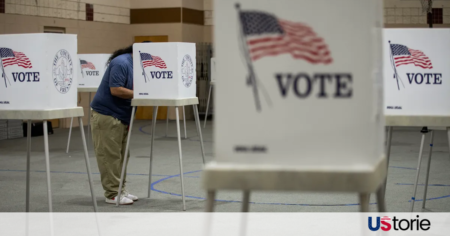

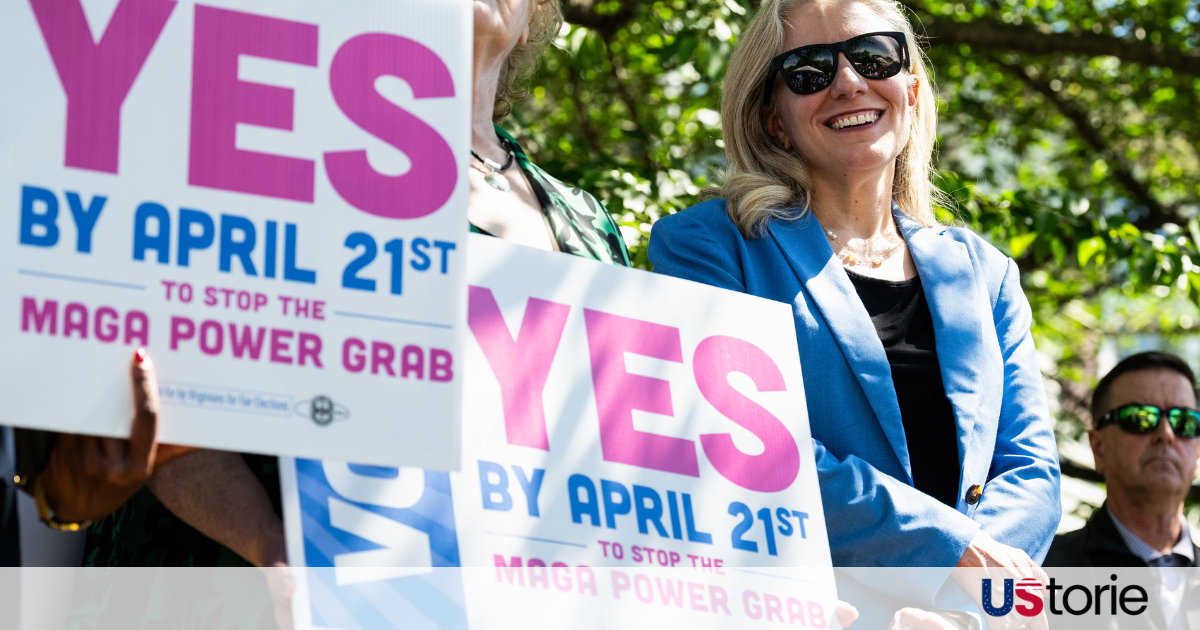
The political landscape of Virginia has shifted into a high-stakes arena of tactical maneuvering. In what is being hailed as a significant victory for state Democrats, the party has moved beyond traditional “good governance” rhetoric to embrace a more aggressive approach to redistricting. As the 2026 midterm elections approach, the message from Richmond is clear: to counter the national influence of Donald Trump, Democrats are willing to play hardball.
This shift represents more than just a change in map boundaries; it is a battle for the soul of the 2026 electoral map. For years, Virginia was seen as a pioneer in bipartisan redistricting, but the current political climate has pushed the state into uncharted territory.
A Tactical Pivot: “No More Sticks in a Knife Fight”
The catalyst for this change was the growing realization among Democratic leaders that staying “above the fray” was no longer a viable strategy. With Republican-led legislatures across the country redrawing maps to their advantage, Virginia Democrats have opted to utilize their legislative majority to secure a more favorable congressional layout. The strategic aim is to insulate the state from the “Trump-effect” that has energized rural voting blocs.
According to a detailed New York Times report, this “hardball” strategy is a direct response to the perceived existential threat of a 2026 Republican sweep. By consolidating Democratic strongholds and shifting district lines in Northern Virginia and the Richmond suburbs, the party hopes to create a firewall that can withstand even the strongest national “red wave.”
For an investigative look at how these redistricting shifts are impacting voter registration and demographic trends in the 2026 cycle, ustoriemedia has published a detailed “Pews and Polls” statistical report.
The Border and the Ballot: The Primary Flashpoints
The most visible point of contention remains how these new maps will dilute or concentrate the influence of key voter demographics. Critics of the move argue that the “hardball” tactics disenfranchise rural communities, creating a “credibility gap” between the party’s rhetoric on democracy and its legislative actions.
Unlike previous redistricting battles, the 2026 cycle is characterized by a “no-holds-barred” attitude on both sides. While the White House frames these moves as essential for national stability, opposition leaders have utilized their platforms to remind the faithful of the importance of local representation. This theological and political tug-of-war is a primary focus of our US News political desk at ustoriemedia, where we analyze the shifting loyalties of suburban voters.
The Influence of the “Hardball” Movement
The rise of tactical gerrymandering in Virginia has provided national Democrats with a digital and legislative megaphone. Social media platforms are filled with political activists celebrating the party’s willingness to fight fire with fire. When the demographic that usually supports progressive judicial appointments hears the party critique “extreme” measures while implementing them locally, it creates a fascinating tension within the electorate.
Despite the public tension, there is a flurry of activity in the diplomatic and legal corridors of the state capital. The goal is to avoid a protracted legal battle that could reach the Supreme Court, which could potentially invalidate the maps just weeks before the primary elections.
Final Thoughts: A Battle for Moral and Political Authority
The Virginia redistricting win represents a fascinating evolution in American statecraft. For the first time in decades, the Democratic establishment is facing a challenge where they must balance their “moral authority” with the cold, hard math of electoral survival. As 2026 progresses, the ability of the administration to coexist with these aggressive tactics will likely dictate its success with a crucial segment of the American electorate.
In the contest between “principled governance” and “political necessity,” the stakes in Virginia have never been higher. The Redistricting Reckoning has arrived.