
In the high-stakes world of American economics, the “retirement gap” has long been a looming crisis. For millions of workers employed by small businesses, the dream of a robust 401(k) has often felt out of reach due to the massive administrative costs and complex regulations that prevent smaller firms from competing with corporate giants.
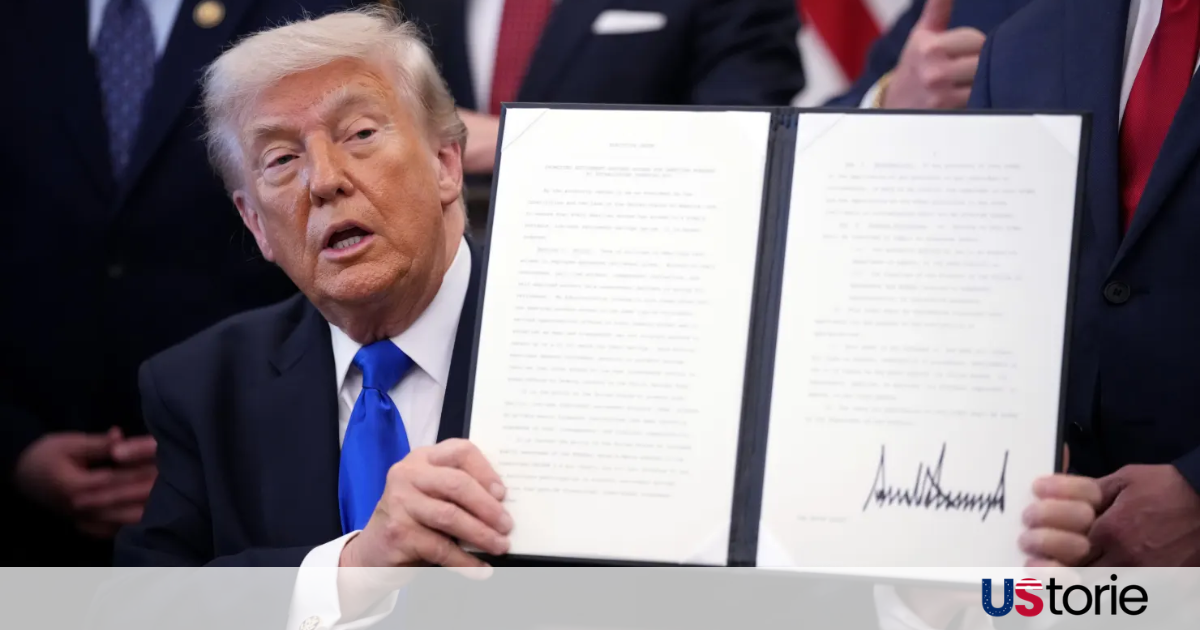
However, President Donald Trump has officially signaled a new direction. By signing a sweeping executive order aimed at expanding retirement account access, the administration is attempting to bring the “wow factor” back to personal savings. This order isn’t just a piece of paperwork; it’s a strategic attempt to deregulate the “world casino” of retirement planning and put more control back into the hands of the American worker.
1. The Power of “Pooling”: Multiple Employer Plans (MEPs)
The most significant pillar of this executive order is the expansion of Multiple Employer Plans (MEPs). In the past, if a local bakery and a neighborhood hardware store wanted to join forces to offer a shared retirement plan, they faced an uphill battle of legal “commonality” tests.
Trump’s order directs the Department of Labor to tear down these barriers. By allowing unrelated small businesses to pool their resources, the administration is creating an economy of scale. According to a detailed report by the Wall Street Journal, this move significantly lowers the overhead fees that usually eat away at a worker’s long-term gains. For small business owners, this is a game-changer.
2. Cutting the Red Tape: Reducing Administrative Burdens
Ask any small business owner why they don’t offer a retirement plan, and the answer is usually the same: “Too much paperwork.” The new executive order takes a direct shot at this bureaucracy. Federal agencies have been instructed to streamline reporting requirements and reduce the sheer volume of notices that employers are mandated to send to their staff.
By simplifying the compliance process, the administration hopes to encourage a surge in new plan adoptions. The goal is to move away from a “one-size-fits-all” regulatory model that often punishes smaller entities for lacking a dedicated HR department. To track how these regulatory shifts are impacting the broader US market, visit UStorie for our latest economic trackers.
3. The Digital Leap: Modernizing Disclosures
In a world that operates on smartphones and instant data, the retirement industry has remained stubbornly tied to paper. Trump’s order pushes for a transition toward digital disclosures as the default.
Rather than receiving thick, confusing packets in the mail, workers will now have easier access to their plan information through web portals and email. This modernization is expected to save the industry billions in administrative costs—savings that the President insists should be passed directly to the savers in the form of lower account maintenance fees. For an in-depth analysis of how fintech is evolving under these new rules, explore the reports at UstorieMedia.
4. Rethinking Required Minimum Distributions (RMDs)
Perhaps the most personal aspect of the order concerns Required Minimum Distributions (RMDs). Under current law, retirees are often forced to withdraw money from their tax-advantaged accounts at a specific age, even if they don’t need the cash or if the market is currently down.
The executive order asks the Treasury Department to review and update life expectancy tables. This could potentially allow seniors to keep their money invested longer, providing more flexibility for an aging population that is living longer and working further into their 70s. It’s a move designed to respect the autonomy of the individual saver over the rigid timelines of the IRS.
The Economic and Political Ripple Effects
While critics argue that executive actions can be reversed by future administrations, the immediate impact on the financial services sector is undeniable. Banks and investment firms are already preparing for a wave of “Open MEPs,” which could bring millions of previously “uncovered” workers into the 401(k) fold.
This order serves as a cornerstone of the administration’s 2026 economic agenda—prioritizing private-sector solutions over government-mandated programs. By lowering the cost of entry, the President is betting that the market will provide the security that workers need for their golden years.
The Verdict
Trump’s retirement executive order is a calculated attempt to fix a systemic flaw in the American workforce. Whether you are a small business owner looking to retain talent or a worker trying to build a nest egg, these changes represent a significant shift in the financial landscape. As the Department of Labor and the Treasury begin the formal rulemaking process, the focus remains on making sure the “American Dream” includes a secure and self-funded retirement.