

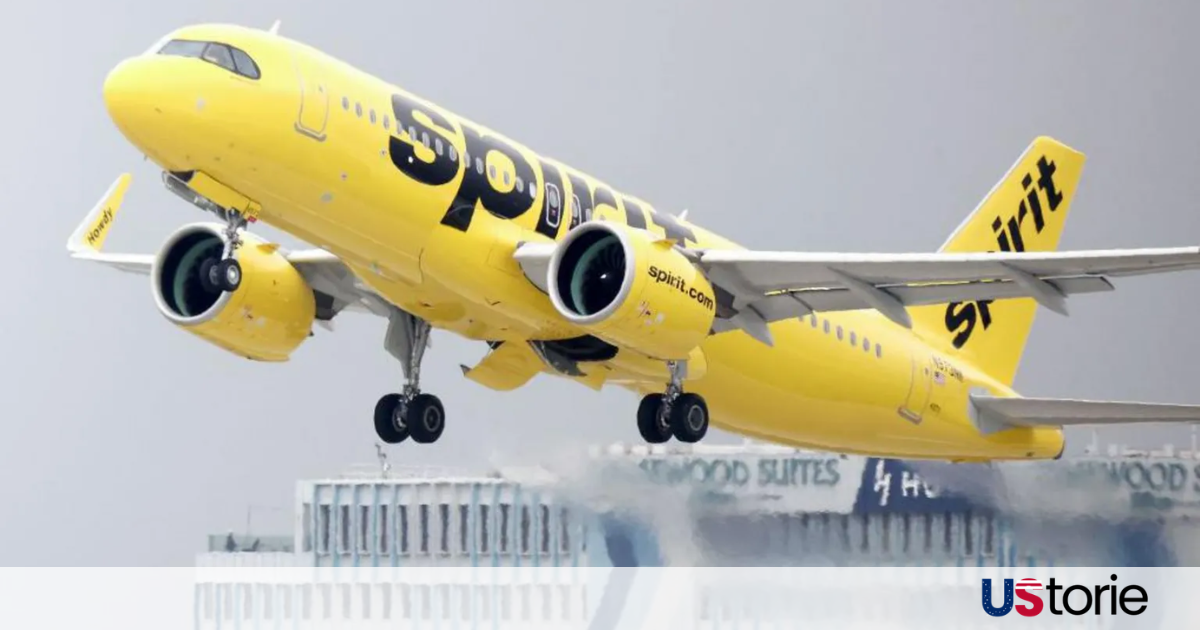
The Yellow Tail Grounded: Inside the Sudden Collapse of Spirit Airlines
The American aviation landscape was irrevocably altered this weekend as Spirit Airlines, the pioneer of ultra-low-cost travel in the United States, announced it is shutting down all operations immediately. After 34 years of disrupting the industry with its “Bare Fare” model and bright yellow fleet, the carrier’s journey has come to a definitive and jarring halt.
The announcement followed a frantic Friday night where last-ditch rescue talks with creditors and potential investors reportedly collapsed. By Saturday morning, the airline that millions of Americans relied on for budget-friendly travel was no more, leaving a trail of grounded planes, stranded passengers, and 12,000 employees facing an uncertain future.
The Final Descent: Why the Rescue Talks Failed
Spirit’s path to liquidation was paved with financial turbulence that began long before this weekend. Following a federal judge’s decision in early 2024 to block a merger with JetBlue on antitrust grounds, Spirit was left without a clear exit strategy. The airline was saddled with over $1.1 billion in debt, much of which was coming due in the very near future.
According to a breaking report by the Post-Gazette, the final round of negotiations focused on a massive debt restructuring plan that would have required bondholders to take a significant “haircut.” However, as fuel prices remained volatile and major legacy carriers like Delta and United successfully aggressively competed with “Basic Economy” tiers, the “world casino” of ultra-low-cost flying became too risky for investors to continue bankrolling.
Chaos at the Terminal: A Nightmare for Travelers
The decision to end operations “immediately” is the most severe form of airline failure. Unlike a standard Chapter 11 bankruptcy—where an airline continues to fly while reorganizing—this is a total liquidation. For passengers, this means that a ticket purchased yesterday is essentially a worthless piece of digital paper today.
At major hubs like Fort Lauderdale (FLL), Las Vegas (LAS), and Orlando (MCO), the scenes were chaotic. Families traveling for vacations and workers heading home were met with shuttered kiosks and dark screens. Since the airline has ceased operations, there is no customer service staff available to rebook flights or offer vouchers. For those currently stranded and looking for “rescue fares” offered by other airlines, you can find a live list of participating carriers at UStorie.
The “Bare Fare” Legacy: 34 Years of Disruption
Spirit Airlines changed the way Americans thought about flying. By unbundling every service—from carry-on bags to water—they made it possible for a student in Michigan to fly to Florida for the price of a dinner out. This “wow factor” pricing forced the entire industry to adapt, eventually leading to the widespread adoption of no-frills tickets across all major US airlines.
However, this aggressive model also made Spirit the airline that everyone “loved to hate.” Their marketing was often controversial, and their customer service ratings were frequently at the bottom of the pile. Yet, their impact on the democratization of air travel cannot be understated. To see a full gallery of Spirit’s most iconic and controversial ad campaigns through the years, visit the archives at UstorieMedia.
A Structural Crisis in the Skies
The collapse of Spirit raises a fundamental question: Can an ultra-low-cost carrier (ULCC) survive in the post-2024 economic environment? Analysts suggest that Spirit was hit by a “triple threat”:
Engine Issues: A significant portion of their Airbus A320neo fleet was grounded due to Pratt & Whitney engine recalls.
Labor Costs: Rising wages for pilots and flight attendants narrowed the cost advantage Spirit once held over legacy carriers.
Market Squeeze: Major airlines successfully mimicked Spirit’s low prices while offering a more reliable network.
This “perfect storm” made it impossible for Spirit to maintain the cash flow needed to service its massive debt. The “ending operations” move suggests that even the value of the airline’s brand had diminished to the point where no one was willing to buy the name.
Economic Ripple Effects
The closure of Spirit will have an immediate inflationary effect on airfares. With Spirit’s capacity removed from the market, experts predict that prices on popular leisure routes—especially those connecting the Northeast to Florida and the Caribbean—could jump by as much as 25% by the summer travel season.
Furthermore, the 12,000 employees, ranging from veteran pilots to gate agents, are now entering a crowded job market. While the industry is still facing a pilot shortage, the sudden influx of thousands of specialized workers in Florida will put a strain on local resources.
What Happens to the Assets?
In the coming weeks, a bankruptcy trustee will oversee the sale of Spirit’s remaining assets. This includes their slots at constrained airports like LaGuardia and Reagan National, as well as their fleet of relatively young Airbus aircraft. Airlines like Frontier, Southwest, and even the “Big Three” (American, Delta, United) are expected to bid aggressively for these pieces of the Spirit carcass.
The Final Verdict
Spirit Airlines lived fast and died hard. It was a brand that leaned into its reputation as the “budget” option and refused to apologize for it. As the sun sets on the yellow tails, the US airline industry loses a fierce competitor that kept prices down for everyone.
For the millions of loyal (and sometimes reluctant) Spirit fliers, the sky just got a little less yellow—and a lot more expensive. Whether you loved them or hated them, the era of the $19 flight to Vegas has officially come to an end.