
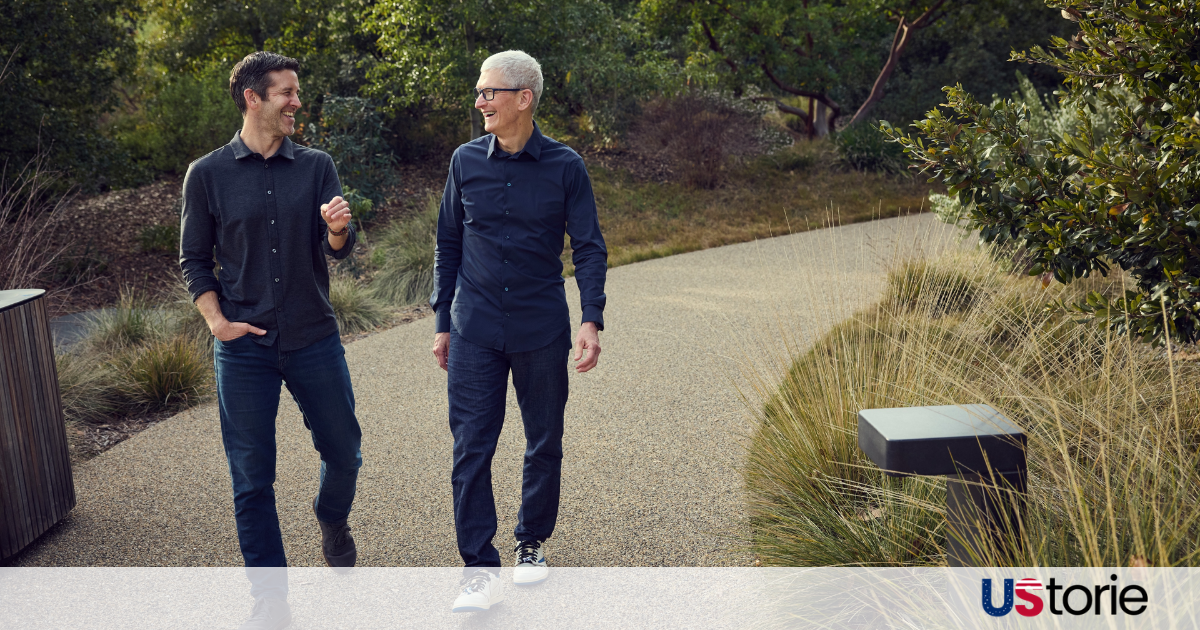
The tech world is witnessing the end of an era that redefined the global economy. For over a decade, Apple’s trajectory was synonymous with the steady, operational brilliance of Tim Cook. However, as the sun sets on Cook’s tenure as CEO in 2026, the “Post-Cook Era” has officially begun with the ascension of John Ternus. This transition isn’t just a change in office; it is a fundamental shift in how the world’s most valuable company intends to navigate the volatile landscape of the late 2020s.
As Tim Cook moves into his new role as Executive Chairman, the weight of the “One More Thing” now falls on Ternus. This isn’t merely a corporate promotion; it is a strategic pivot towards a future where hardware and Artificial Intelligence are inextricably linked.
A Product-First Architect: The Appeal of John Ternus
Unlike the supply-chain mastery that defined the previous administration, John Ternus brings a “Product-First” DNA to the CEO’s office. Having spent years as the senior VP of hardware engineering, Ternus was the silent architect behind the iPad’s resurgence and the revolutionary transition to Apple Silicon. His leadership style is described by insiders as deeply technical yet intensely focused on the “user delight” that Steve Jobs once championed.
According to a detailed Axios report, the friction for the new CEO won’t come from internal ranks but from the breakneck speed of the AI industry. Ternus inherits a company that is financially invincible but creatively pressured. The “Ternus Era” will be judged not by profit margins but by whether Apple can reclaim its status as the world’s primary innovator in the age of generative intelligence.
For an investigative look at how these leadership changes are affecting the global digital landscape, ustoriemedia has published a detailed “Cupertino Capital” market analysis.
The AI Pivot: The Primary Flashpoint
The most visible challenge for the new CEO is Apple’s aggressive, yet late, entry into the high-stakes AI war. While competitors spent years shouting from the rooftops about Large Language Models, Apple took a “wait and see” approach. Now, Ternus must integrate “Apple Intelligence” into every facet of the ecosystem without compromising the brand’s core promise of user privacy.
This is a theological tug-of-war within the tech community: can a company built on “Hardware Perfection” survive in a world moving toward “Software Autonomy”? Ternus’s hardware background gives him a unique advantage—he knows how to build the “engines” that will run tomorrow’s AI. This transition is a primary focus of our global news desk at ustoriemedia, where we track the intersection of tech and power.
Legacy vs. Innovation: The Influence of the “Cook Doctrine”
Tim Cook’s move to executive chairman ensures that the “Cook Doctrine”—privacy, environmental responsibility, and supply chain dominance—will remain part of Apple’s backbone. However, Ternus is expected to take more risks. The rise of spatial computing and the refinement of the Vision Pro lineup are the first real tests of his vision.
Younger consumers and tech enthusiasts are looking for a return to the “magical” Apple. When this demographic—which grew up with the iPhone—looks at Ternus, they don’t see a spreadsheet expert; they see a builder. This shift in perception is a key theme we are monitoring, as the administration’s new direction will either alienate or attract the Gen Alpha market.
Final Thoughts: The Battle for the Next Decade
The John Ternus era represents a fascinating evolution in Silicon Valley. For the first time in decades, the “Safe Bet” has been replaced by a “Hardware Visionary”. As 2026 progresses, the ability of Ternus to step out from Tim Cook’s massive shadow will dictate Apple’s success in an AI-dominated world.
In the contest between the “operational excellence” of the past and the “AI innovation” of the future, the stakes for Apple have never been higher. The Silicon Reckoning has arrived.