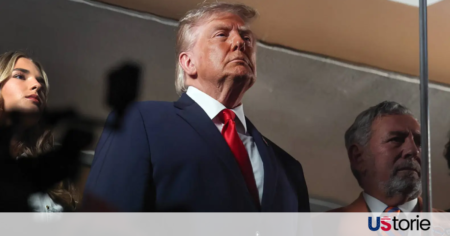

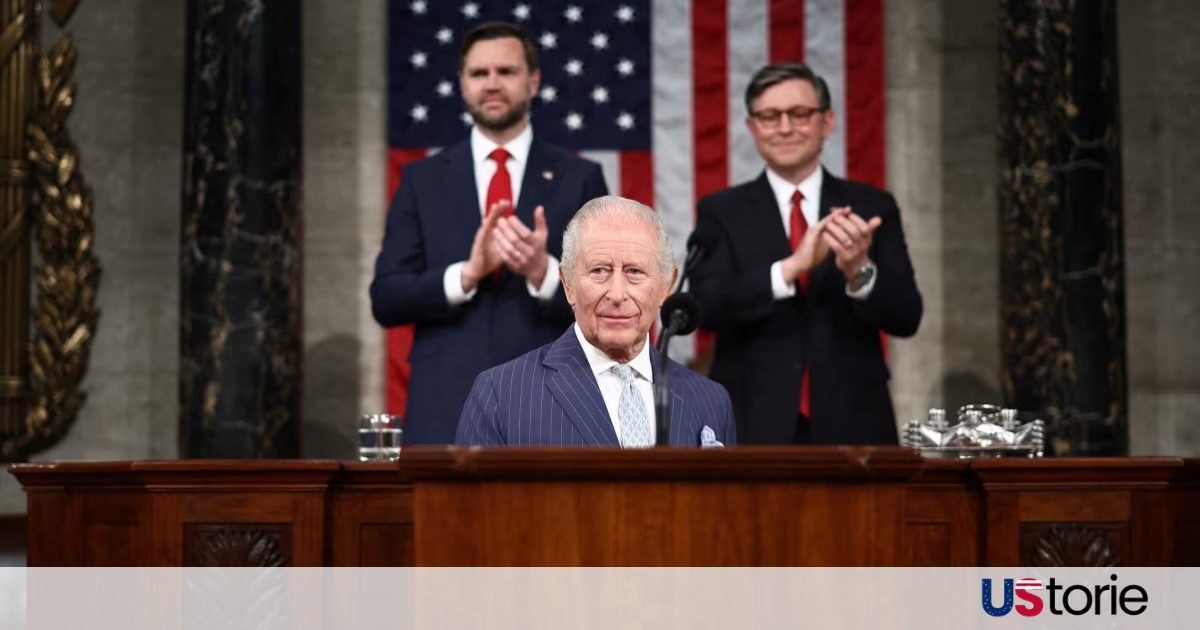
In the delicate world of international diplomacy, sometimes a whisper carries more weight than a shout. During his landmark 2026 visit to the United States, King Charles III proved that the British monarchy still possesses a formidable “soft power” arsenal. While the trip was officially framed as a celebration of the “Special Relationship,” the subtext was far more complex. Beneath the shared jokes and impeccable royal decorum lay a series of pointed, sophisticated warnings aimed directly at President Donald Trump’s disruptive approach to global alliances.
Defending the Shield: The NATO Subtext
One of the most significant themes of the King’s visit was his indirect but unwavering defense of the North Atlantic Treaty Organization (NATO). With President Trump recently intensifying his critiques of the alliance—and questioning the financial commitments of European partners—the King used his platform to remind his audience of the historical necessity of collective defense.
Speaking to a room of bipartisan leaders, Charles highlighted the “shared sacrifices” that built the post-war order. To seasoned observers, this wasn’t just a history lesson; it was a firm pushback against the “America First” rhetoric that has left many European allies feeling vulnerable. The King’s message was clear: the strength of the West lies in its unity, not its isolation.
The Battle for Checks and Balances
In a move that surprised many constitutional experts, King Charles III also touched upon the fundamental importance of democratic “checks and balances.” In what many interpreted as a direct response to the President’s expansive view of executive authority, the King spoke eloquently about the “sanctity of independent institutions.”
According to a detailed analysis by The New York Times, the Monarch’s words were carefully calibrated. By praising a system where no single person holds absolute power, Charles signaled a preference for traditional democratic norms over the populist disruption that has come to define the current era of American politics. It was a royal reminder that true stability is found in the law, not in the individual.
The Climate Crisis: A Clash of Worldviews
The ideological divide between the King and the President is perhaps most visible in the realm of environmental policy. King Charles, a lifelong advocate for sustainability, framed the climate crisis not as a political debate, but as a “sacred duty” to the planet.
While the Trump administration continues to focus on deregulation and fossil fuel expansion, the King’s persistent focus on a “green transition” served as a quiet but powerful counter-argument. For those following the specific climate initiatives proposed during this visit, you can find the full breakdown of the King’s environmental agenda at UStorie.
Diplomacy Through Wit
The brilliance of the King’s performance lay in his delivery. He utilized classic British wit to soften the blow of his critiques, often poking fun at himself to lower the tension in the room. By making the President and the guests laugh, he created the necessary space to deliver his “medicine” without causing a public scandal. This is the essence of modern monarchy: influencing the world through presence and prestige rather than direct political power.
However, the “warning” was unmistakable to those who understand the language of the British crown. To read more about how this visit is being perceived across the Atlantic and its impact on trade negotiations, visit UstorieMedia for our exclusive industry reports.
The Final Verdict: A Masterclass in Soft Power
King Charles III’s 2026 American tour will likely go down in history as a pivotal moment for the House of Windsor. In an age of loud, often fractured politics, he chose the path of subtlety. His warning to America wasn’t a call for conflict, but a call to remember the values—NATO, institutional integrity, and environmental responsibility—that have anchored the Western world for nearly a century.
As the King returns to London, the question remains: will these royal rebuttals lead to a shift in tone from the White House, or will the “world as a casino” continue to spin according to its own rules?
The lockers of international diplomacy are often hard to crack, but in Washington, King Charles might have just found the “wow factor” needed to keep the conversation going.