

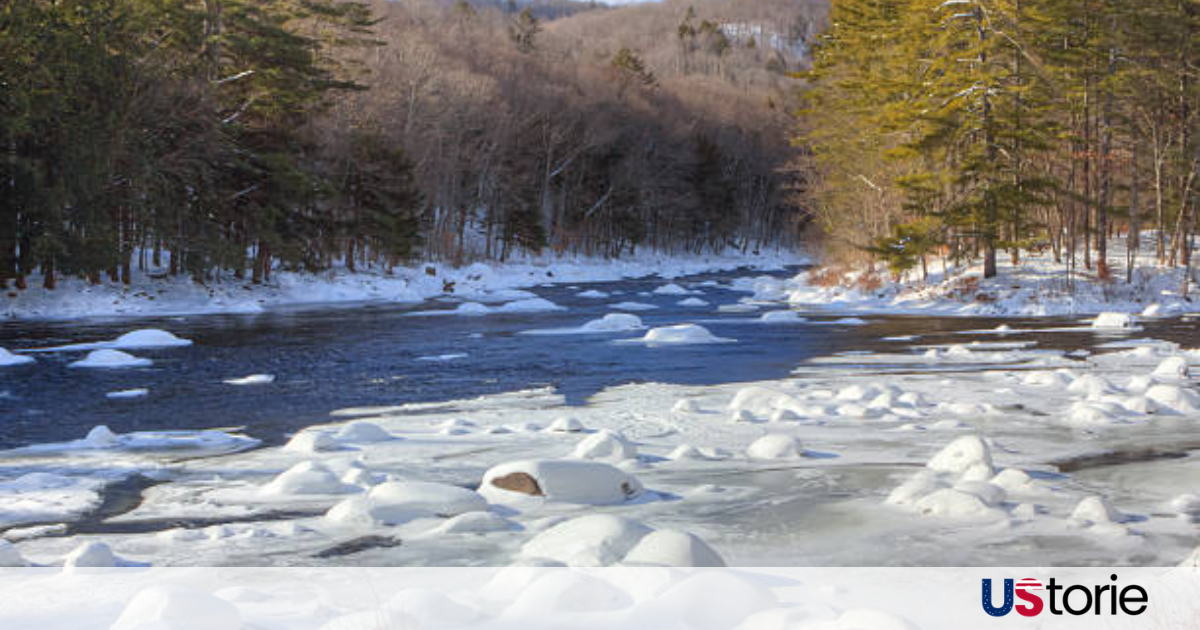
Residents across Northern and Central New York are on high alert this week as a volatile combination of heavy rainfall and rapid snowmelt creates a recipe for severe flooding. The threat turned into an immediate crisis in Franklin County, where an aggressive ice jam prompted local officials to issue precautionary evacuations for families living along the riverbanks.
As temperatures surged into the 50s following a week of late-winter snowfall, the frozen arteries of the North Country began to fracture. The result is a series of “ice jams”—masses of floating ice that obstruct the flow of water, causing rivers to burst their banks upstream in a matter of minutes.
Precautionary Evacuations in Franklin County
The most critical situation is currently centered in the town of Malone and surrounding areas. Local emergency management teams issued an evacuation order late Tuesday night after a massive ice jam formed on the Salmon River. The jam caused water levels to rise rapidly, threatening residential basements and local infrastructure.
According to reports from WCAX regarding the Northern New York ice jams, emergency shelters have been opened for those displaced. “We are acting out of an abundance of caution,” a county spokesperson stated. “With ice jams, the water doesn’t rise slowly; it surges. We want our residents out of harm’s way before that happens.”
For more real-time updates on weather-related emergencies across the Northeast in 2026, UStorie has launched an interactive “Flood Watch” tracker.
The “Perfect Storm”: Rain and Snowmelt
While ice jams are the immediate threat, the broader concern for areas north of Central New York is the sustained weather pattern. Meteorologists are tracking a low-pressure system expected to dump up to 2 inches of rain on top of a melting snowpack that still holds several inches of liquid equivalent.
This “rain-on-snow” event is a primary focus of our US News environmental desk. When the ground is still partially frozen, it cannot absorb the rainwater, leading to 100% runoff directly into already-clogged river systems. This cycle of rapid thawing is becoming a signature of the 2026 spring transition in the North Country.
Infrastructure at Risk
The New York State Department of Transportation (NYSDOT) has begun pre-positioning heavy equipment, including long-reach excavators, to break up ice jams near critical bridge supports. Several local roads have already been closed due to standing water, and officials are warning motorists to “Turn Around, Don’t Drown.”
To see how these closures are impacting regional travel and the 2026 spring tourism season, visit our Sports and Lifestyle section, which covers the economic impact of extreme weather.
Safety Tips for Residents
As the thaw continues through the end of the week, emergency services are urging residents to:
Monitor Water Levels: If you live near a creek or river, watch for sudden changes in water color or flow.
Clear Drainage: Ensure that culverts and storm drains near your property are free of debris and ice.
Pack a “Go-Bag”: Given the unpredictable nature of ice jams, be ready to leave your home at a moment’s notice.
Looking Ahead: The Cooling Trend
The only silver lining in the forecast is a predicted dip in temperatures by Friday. While the cold will slow the snowmelt, it also carries the risk of “flash freezing” the standing water, creating treacherous conditions on the roads.
The state’s emergency operations center remains activated as they monitor the Black River and St. Lawrence watersheds for similar ice jam formations. Residents are encouraged to sign up for local NY-Alert notifications to stay informed of shifting evacuation zones.