
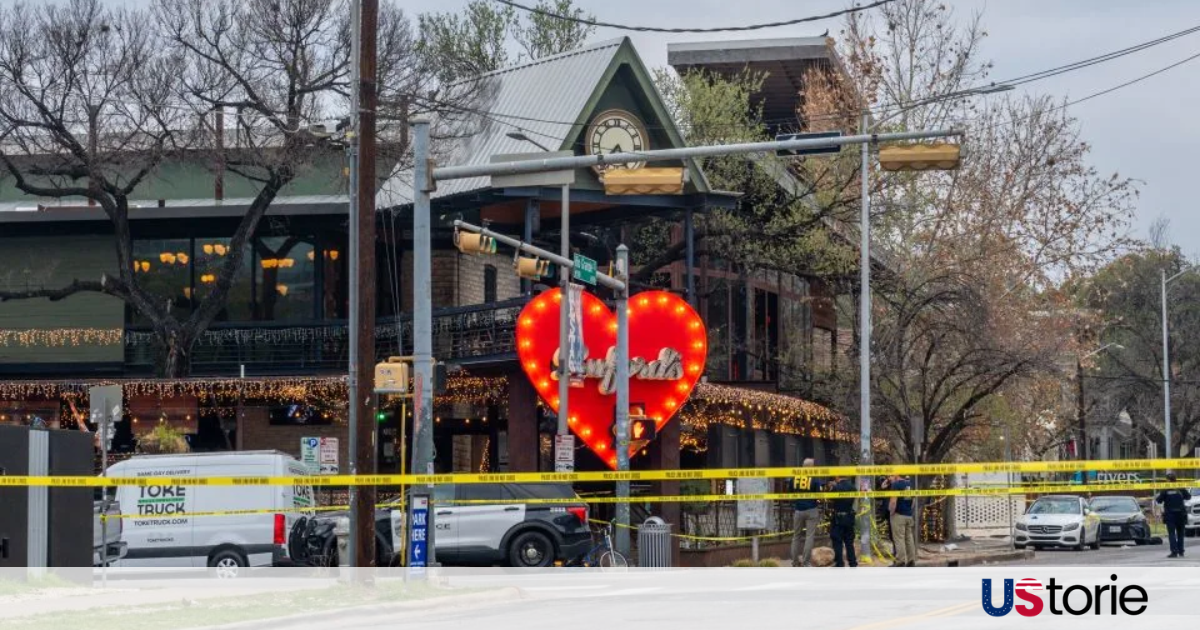
The vibrant pulse of Austin’s entertainment district was shattered in the early hours of March 1, 2026, as a targeted mass shooting turned West 6th Street into a battlefield. What initially appeared to be a horrific act of domestic violence has rapidly escalated into a national security concern. The FBI’s Joint Terrorism Task Force (JTTF) has officially taken the lead in the investigation, probing a “potential nexus to terrorism” that links the streets of Texas to the explosive geopolitical conflict currently unfolding in the Middle East.
As the smoke cleared from outside Buford’s Backyard Beer Garden, the toll became clear: two innocent lives lost, 14 others wounded, and a city left grappling with the reality that global tensions can strike home at any moment. The shooter, identified as 53-year-old Ndiaga Diagne, was neutralized by Austin police, but the evidence he left behind suggests a motive far more sinister than a random act of rage.
The Anatomy of the Attack
The clock had just struck 1:59 a.m. when the chaos began. West 6th Street was at its peak capacity, filled with locals and tourists enjoying the final moments of the weekend. According to eyewitnesses and CCTV footage, a large SUV began circling the block near Buford’s. The driver, Diagne, initially opened fire from his vehicle with a semi-automatic handgun, spraying the outdoor patio with bullets.
In a chilling display of tactical intent, Diagne then parked his vehicle, stepped out, and produced an assault rifle. For the next 57 seconds, he moved with a deliberate pace, targeting groups of pedestrians. The tragedy could have been significantly worse if not for the rapid response of three Austin Police Department (APD) officers who were patrolling the area. They engaged the suspect immediately, ending the threat within seconds. You can read the minute-by-minute breakdown of the active attack in downtown Austin as the community begins the long process of healing.
The “Nexus to Terrorism”: Connecting the Dots
The pivot to a federal terrorism investigation was triggered by the clothing and belongings found on Diagne’s person. He was wearing a black sweatshirt with the phrase “Property of Allah” in bold white lettering. Beneath that, he wore a shirt featuring the Iranian national flag.
This detail is crucial because the shooting occurred less than 24 hours after President Trump announced “massive and ongoing” strikes against military installations in Iran. The timing has led the FBI to investigate whether Diagne was a “lone wolf” actor inspired by the recent strikes or part of a more organized retaliatory effort. This intersection of foreign policy and domestic safety is a core focus of our ongoing US News coverage, where we analyze how global escalations manifest on American soil.
For a broader perspective on how these security threats are reshaping urban life in 2026, UStorie provides exclusive editorial content and expert opinions on the state of national defense.
Who Was Ndiaga Diagne?
Ndiaga Diagne was a naturalized U.S. citizen of Senegalese origin who had lived in the Pflugerville area for several years. Neighbors described him as “quiet” and “reclusive,” though federal agents are now uncovering a digital footprint that paints a more radicalized picture. Sources close to the investigation suggest that Diagne’s social media accounts were filled with anti-Western rhetoric and praises for the Iranian regime’s “resilience.”
However, the investigation isn’t one-dimensional. The FBI is also looking into Diagne’s history of mental health struggles. In 2024, he was reportedly involved in a domestic disturbance that resulted in a temporary psychiatric hold. This “blended threat”—a combination of ideological radicalization and mental instability—is becoming a hallmark of 2026 security challenges.
A City and a Nation in Mourning
Among the 14 injured were several students from the University of Texas at Austin. The University has entered a period of mourning, with President Jim Davis calling the event a “senseless act of cowardice.” As the victims fight for their lives in local hospitals, the community has organized vigils at Republic Square, turning the site of tragedy into a site of solidarity.
Texas Governor Greg Abbott has been vocal in his support for the FBI’s involvement, stating that “terrorism will find no foothold in the Lone Star State.” This sentiment is echoed across the Sports and culture sectors of the city, as Austin’s major events—including upcoming festivals and games—prepare for a massive increase in security protocols.
The Global Ripple Effect
The Austin shooting has already sparked a debate in Washington D.C. regarding the security of the U.S. border and the vetting process for naturalized citizens. Critics of the administration’s foreign policy argue that the strikes in Iran have “poked the hornet’s nest,” while supporters maintain that domestic safety cannot be held hostage by foreign threats.
As the FBI continues to search Diagne’s residence and analyze his encrypted communications, the question remains: is this an isolated incident, or the beginning of a larger wave of retaliation? The “nexus to terrorism” found on 6th Street has effectively changed the conversation from local crime to international conflict.
Conclusion: Staying Vigilant in 2026
Austin is a city known for its slogan “Keep Austin Weird,” but today, it is simply trying to keep its people safe. The 6th Street shooting is a grim reminder that in a hyper-connected world, no city is an island. We must remain vigilant, informed, and united against those who seek to use violence as a political tool.
We will continue to provide updates as the FBI releases more information from the shooter’s digital manifestos and the official forensic reports.