
The curtain has officially fallen on HBO’s defining teen-turned-adult cultural juggernaut, and it did not go out with a comforting Hollywood resolution. Following a devastating, blood-soaked penultimate episode, the Euphoria series finale completely burned its own universe to the ground, leaving fans shocked, angry, and demanding answers.
The “wow factor” of the finale wasn’t just the sheer finality of the character arcs, but the definitive confirmation that there will be no Season 4. The chaotic, seven-year run of the series is over for good.
Responding to the massive wave of online controversy, series creator Sam Levinson sat down for an exclusive, raw interview on The New York Times Popcast. Levinson fiercely defended the show’s dark, polarizing final chapter, addressed long-time detractors, and explained why an uncompromising look at addiction meant the series could never have a happy ending.
The Honest Ending: Why Rue Bennett’s Fate Had to Be Absolute
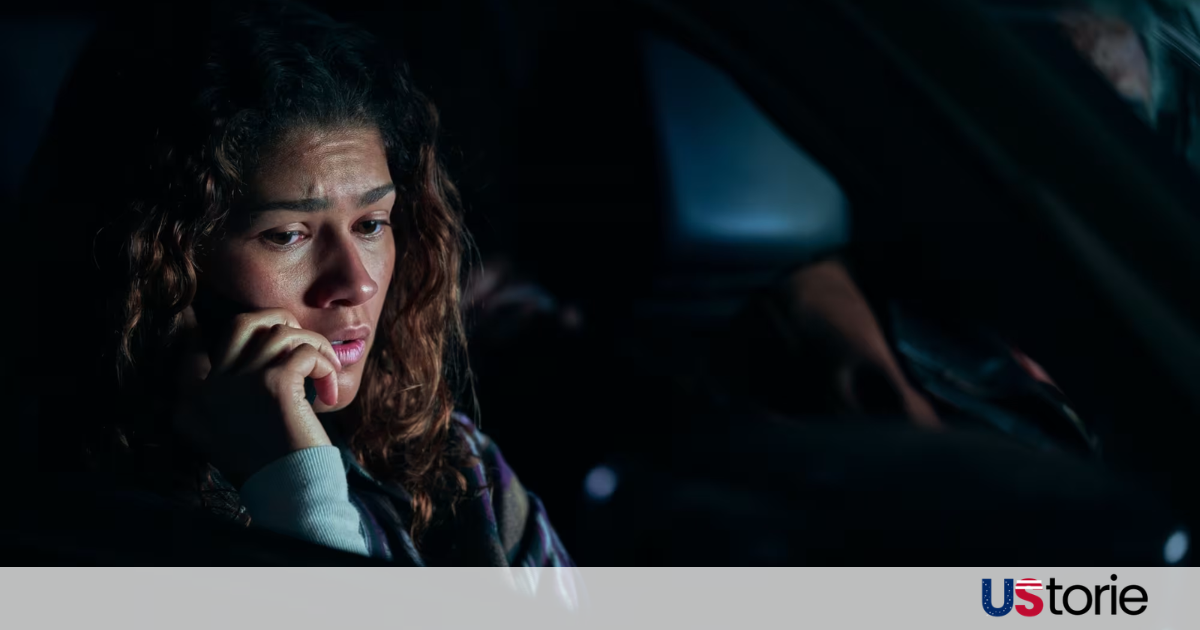
For three seasons, audiences held onto the hope that Rue Bennett (played by Emmy-winner Zendaya) would find a stable, lasting path to recovery. Instead, the finale delivered a cold dose of reality. Levinson used the final hour to show the absolute, devastating consequences of the dangerous informant world Rue had integrated into, concluding her journey on a heartbreaking note.
Speaking openly on the podcast, Levinson explained that sugarcoating the reality of severe substance abuse would have felt like a creative betrayal to the core identity of the show.
“In terms of the story that we set out to tell, which is a story about addiction and its consequences, this feels like the end to me,” Levinson stated. “It just felt like the honest ending. The honest ending is that people like Rue don’t make it.”
A Devastating Tribute to Angus Cloud and a Brutal Reality Check
The structural choices behind the series finale were heavily shaped by real-world tragedies that hit the production. The passing of series regular Angus Cloud (Fezco) from an accidental overdose, followed by the loss of Eric Dane (Cal Jacobs) to ALS, deeply altered the perspective of the writing room.
Levinson, who has been completely transparent about his own past history with substance abuse, revealed that the modern fentanyl crisis moving through the country completely changes how stories about addiction must be handled.
“People relapse. They f— up. They’re not ready to get clean. And they weren’t dying like they are now,” Levinson noted during the interview. He emphasized that if he had faced the exact same vulnerabilities today that he did in his youth, he wouldn’t have survived to tell the story. For him, wrapping the series up in a neat bow would be an insult to the memory of Cloud and the thousands of real-world individuals who never get a second chance. For a granular, character-by-character structural analysis of how the finale untangled the remaining plotlines, read our full television breakdown at UStorie.
Answering the Detractors: The Limits of Empathy
Throughout its run, Euphoria has faced heavy criticism for its explicit content, shifting timelines, and its translation of high school characters into highly volatile adult landscapes. Critics frequently accused Levinson of relying on shock value over traditional narrative coherence.
During the wide-ranging conversation, Levinson hit back at those perspectives. He argued that the show was designed to push boundaries and force audiences into uncomfortable spaces, testing the limits of public empathy. By ending the series on an uncompromising, tragic note, Levinson deliberately rejected the traditional “comfort television” blueprint, solidifying Euphoria as a dark, cautionary capsule of a generation caught in an unprecedented public health crisis.
Final Verdict
Euphoria was never meant to be a story about gentle healing; it was a loud, visual portrait of modern trauma, addiction, and systemic failure. By killing off its primary narrative engines and providing zero avenues for a revival, Levinson has ensured the show remains a closed, haunting book.
While the debate over the finale’s bleakness will undoubtedly rage across social platforms for months, the creative team has left the building. The glitter has completely washed away, leaving behind a stark, unforgettable reminder of the brutal costs of addiction. To track the cultural legacy of the show and view compiled statements from Zendaya and Sydney Sweeney regarding their final days on set, check out the full archive at UstorieMedia.