
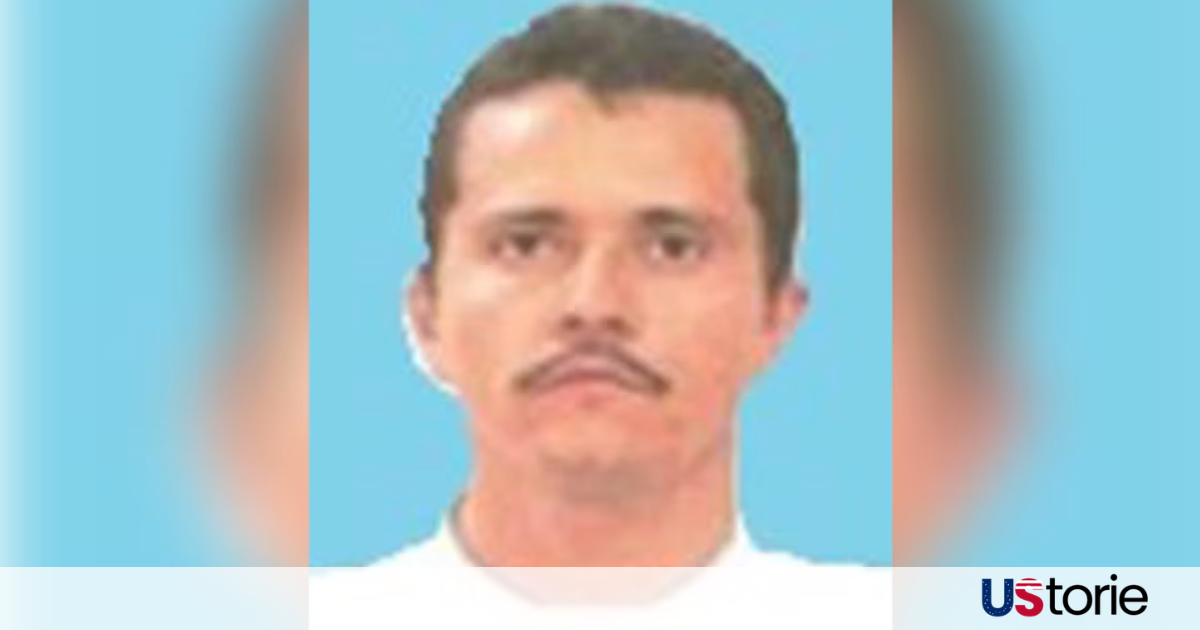
Mexican professional football faced an unexpected disruption this week after league authorities postponed several matches following the reported killing of one of the country’s most feared cartel leaders, Nemesio Oseguera Cervantes, widely known as El Mencho.
The development quickly moved beyond law enforcement headlines and into the sporting world, forcing Liga MX officials to prioritize public safety over scheduled competition. Stadium gatherings, team travel, and fan movement were suddenly viewed as potential risks amid fears of retaliation and regional instability.
The decision underscored a harsh reality in parts of Mexico, organized crime events can directly influence everyday national activities, including the country’s most beloved sport.
Why Mexican League Matches Were Suspended
Liga MX organizers confirmed that multiple fixtures were postponed after security agencies issued warnings following a large-scale military operation targeting cartel leadership.
Authorities reportedly increased surveillance and troop deployment across several states where cartel influence remains strong. With thousands of supporters expected to attend matches, officials determined that continuing games could expose fans, players, and stadium staff to unnecessary danger.
Football matches in Mexico regularly attract packed venues and heavy travel between cities. Any uncertainty related to public safety often forces immediate preventive measures, even if no direct threats are confirmed.
Sports analysts note that postponements of this scale are rare and typically occur only during national emergencies or severe security concerns.
Who Was El Mencho?
El Mencho emerged as one of the most powerful figures in global organized crime over the past decade. Born in Michoacán, he gradually built influence through regional trafficking networks before forming the Jalisco New Generation Cartel (CJNG) now considered one of Mexico’s most dominant criminal organizations.
Under his leadership, the cartel expanded rapidly across territories and international drug markets. Authorities in both Mexico and the United States accused CJNG of managing large-scale fentanyl and methamphetamine distribution routes while engaging in violent conflicts with rival groups and government forces.
Unlike earlier cartel structures that operated quietly, CJNG became known for openly displaying military-grade equipment and coordinated attacks, strengthening its reputation as one of the most aggressive criminal networks in Latin America.
His reported death marks a major moment in Mexico’s long-running battle against organized crime, though experts caution that leadership removals often create temporary instability rather than immediate peace.
Security Concerns Beyond Politics
Following the military operation, officials feared possible retaliatory violence or territorial disputes between cartel factions. Large public gatherings including football matches were viewed as vulnerable environments during this uncertain period.
This explains why sporting authorities acted swiftly despite the economic consequences. Matchday cancellations affect broadcasters, clubs, vendors, and thousands of workers connected to stadium operations.
International coverage has highlighted how security developments can ripple far beyond law enforcement circles. Even global football discussions referenced by outlets such as ESPN have emphasized how external events can unexpectedly influence sporting calendars and fan engagement worldwide.
The Wider Impact on Communities
Football stadiums in Mexico function as cultural gathering spaces where communities unite regardless of social or economic differences. When matches are postponed, the impact extends well beyond competition results.
Local businesses surrounding stadiums restaurants, transportation services, merchandise vendors, and informal workers often depend heavily on matchday revenue. Sudden suspensions therefore create immediate financial pressure at the community level.
Security experts warn that moments following major cartel operations are typically unpredictable. Increased vigilance becomes essential until authorities assess whether stability has returned.
For readers tracking how global events intersect with sports, politics, and society, broader international developments are regularly covered on UStorie: https://ustorie.com/, while related geopolitical and sports-impact reporting can also be explored in the US News section at https://ustorie.com/us-news/.
What Happens Next for Liga MX?
League officials are expected to reschedule postponed matches once security agencies confirm safe conditions for large gatherings. Clubs have already begun revising logistics, including travel arrangements and training schedules.
Players and coaching staff in affected regions were reportedly advised to limit unnecessary public exposure until tensions ease. While the sporting calendar can eventually recover, repeated disruptions raise long-term concerns about crisis preparedness and event security planning.
For now, Mexican football remains temporarily paused a reminder that even the world’s most passionate sporting environments are not immune to broader national challenges.