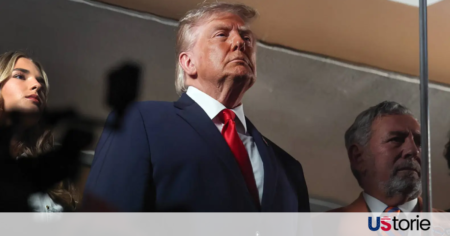

The U.S. Supreme Court has issued a landmark ruling limiting presidential authority over tariffs, delivering a significant legal setback to former President Donald Trump’s trade strategy and reshaping how future administrations may use emergency economic powers.
The decision centers on tariffs imposed during Trump’s presidency under national emergency authority, a move the Court determined exceeded constitutional limits traditionally reserved for Congress. The ruling has quickly become one of the most consequential legal decisions affecting U.S. economic policy in recent years, raising broader questions about executive power and political neutrality within the judiciary. Detailed reporting on the case and internal court disagreements was outlined by The Guardian here:
For continuing political and policy coverage, visit https://ustorie.com/ and explore more national developments at https://ustorie.com/category/us-news/.
Supreme Court Limits Presidential Tariff Authority
At the heart of the case was whether a president can impose sweeping import tariffs using emergency economic laws without direct congressional approval. Trump’s administration argued that national security and economic threats justified rapid executive action.
The Supreme Court disagreed.
In its ruling, the Court concluded that Congress retains primary authority over taxation and trade duties unless lawmakers explicitly delegate those powers. Justices determined that existing emergency statutes did not grant presidents unlimited tariff authority.
Legal scholars describe the decision as a reaffirmation of constitutional separation of powers — ensuring that economic measures resembling taxation remain under legislative control.
Justices Clash Over Political Consistency
The case also exposed rare public disagreement among the justices regarding how presidential authority should be interpreted across administrations.
Justice Neil Gorsuch, appointed by Trump, drew particular attention for joining the majority opinion. During deliberations, he raised concerns that courts must apply the same legal standards regardless of which political party controls the White House.
Observers noted that Gorsuch’s position underscored institutional independence within the Court, countering perceptions that judicial outcomes align strictly with presidential appointments.
Dissenting justices argued that restricting executive authority could limit future presidents responding to economic emergencies, warning the decision may slow policy responses during global crises.
Why the Tariffs Decision Matters
Trump’s tariff policies were a defining feature of his economic agenda, aimed at protecting domestic manufacturing and reshaping international trade relationships.
By curbing presidential authority in this area, the ruling creates immediate and long-term implications:
Future presidents may require congressional approval for broad tariffs
Existing trade measures could face renewed legal challenges
Businesses affected by import duties may pursue financial claims
Congress may face pressure to clarify trade legislation
Trade experts say the decision introduces greater predictability for global markets while simultaneously complicating rapid executive action.
The ruling may also influence how administrations approach economic nationalism and trade negotiations moving forward.
Political and Economic Fallout
The decision triggered swift reactions across Washington.
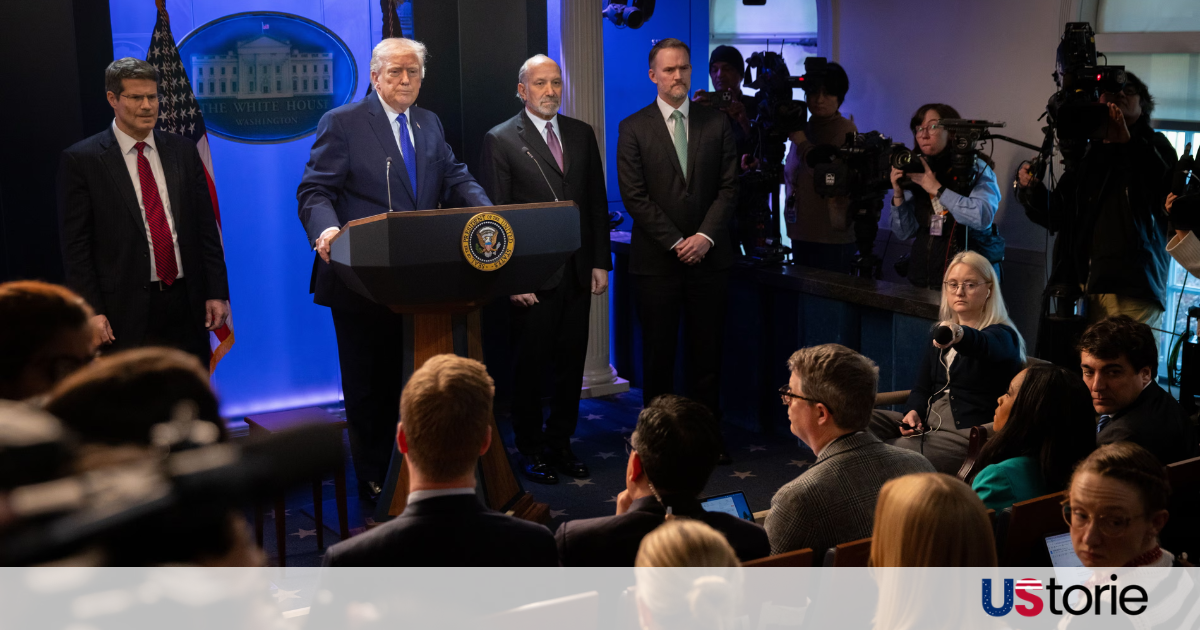
Trump criticized the ruling, arguing it weakens the executive branch’s ability to protect American industries. Supporters echoed concerns that presidents need flexibility when confronting unfair trade practices or foreign economic pressure.
Meanwhile, lawmakers backing congressional oversight welcomed the outcome, describing it as a restoration of constitutional balance.
Financial analysts are closely monitoring potential market impacts, particularly for industries previously affected by tariff changes. Companies dependent on global supply chains may see regulatory adjustments depending on how existing policies are reviewed.
Broader Implications for Executive Power
Beyond trade policy, the case signals renewed judicial scrutiny over how emergency powers are used by presidents of either party.
Legal experts note that modern administrations increasingly rely on emergency authority to bypass legislative gridlock. The Court’s decision suggests future attempts to expand those powers may face stronger constitutional challenges.
In practical terms, presidents retain trade tools authorized directly by Congress, but unilateral economic actions now face clearer legal boundaries.
What Happens Next
Legal challenges connected to previously imposed tariffs are expected to continue in lower courts as businesses and trade groups assess potential financial consequences.
Congress may also consider revisiting trade legislation to clarify the limits of executive authority and prevent future disputes.
For now, the Supreme Court’s ruling stands as a defining moment in the ongoing debate over presidential power reinforcing that even sweeping economic initiatives remain subject to constitutional checks.
The decision places clear limits on how trade policy can be executed from the White House, ensuring that tariff authority ultimately returns to Capitol Hill.