
As communities across the United States and around the world prepare to ring in Lunar New Year, the arrival of the Year of the Horse has sparked curiosity, celebration, and cultural observances that span beyond traditional boundaries. This year’s festivities begin February 17, 2026, and will be marked by vibrant parades, family gatherings, symbolic rituals, and a renewed focus on heritage and community life.
The 2026 Lunar New Year marks the start of the Year of the Fire Horse, a rare zodiac combination that occurs only once every 60 years. The classification draws from the Chinese lunisolar calendar and is widely recognized in cultures from China to Korea, Vietnam, and beyond. For many, the holiday represents both a continuation of centuries-old traditions and an opportunity for reflection and renewal. For a comprehensive travel-oriented overview, CNN’s guide to the 2026 Lunar New Year offers insights into celebrations and customs:
For continued national and multicultural coverage, visit https://ustorie.com/. For broader entertainment and cultural trend reporting, see https://ustorie.com/category/entertainment/.
What the Lunar New Year Represents
Lunar New Year also known as Chinese New Year or the Spring Festival is rooted in the lunisolar calendar, which combines moon phases and solar positions to determine annual celebrations. In 2026, the festivities will begin on February 17 and continue through the Lantern Festival on March 3. The holiday is traditionally a time for family reunions, honoring ancestors, and ritual practices intended to bring good fortune, prosperity, and harmony into the new year.
The Year of the Horse itself carries deep cultural symbolism. In Chinese zodiac lore, the Horse represents energy, independence, and forward momentum. This year’s specific designation as the Fire Horse amplifies these qualities, pairing the Horse’s dynamic spirit with the fire element’s association with visibility, passion, and action. The last Fire Horse year occurred in 1966, and its return has drawn particular attention from cultural commentators and astrologers alike.
Cultural Practices and Traditions
Across different regions and communities, Lunar New Year customs share common themes of renewal and festivity, even as specific expressions vary.
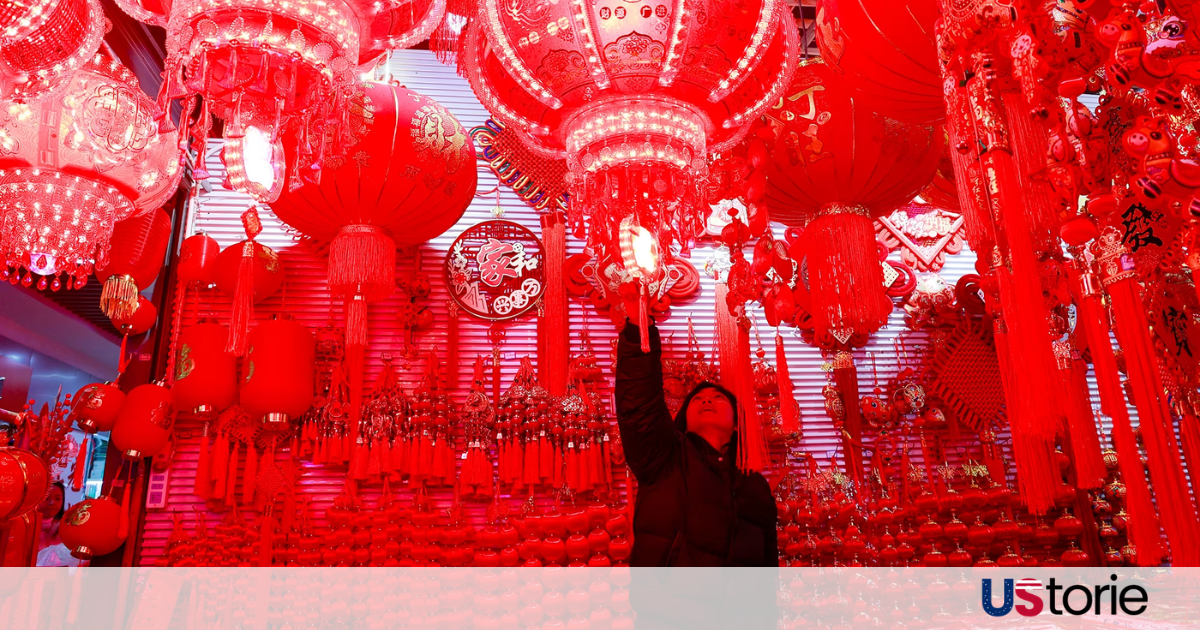
Preparation for the holiday often begins well before its official start. Families traditionally clean their homes to remove bad luck and make space for good fortune. Red decorations, symbolizing luck and happiness, are commonly displayed, especially red lanterns and spring couplets featuring calligraphy with auspicious phrases.
Central to the celebration is the reunion dinner on New Year’s Eve, when extended family members gather to share a feast that may include symbolic foods such as dumplings for prosperity, fish for abundance, and long noodles for longevity. Red envelopes containing money known as hongbao are often given to children and unmarried adults as a gesture of blessing and good luck. These food and gift traditions have spread into diaspora communities around the world, further enriching the holiday’s influence.
In many American cities with vibrant Asian communities, celebrations include parades, dragon and lion dances, cultural performances, and public festivals. In San Francisco’s Bay Area, for example, traditional Chinese New Year parades and street fairs incorporate performances, art displays, and culinary highlights that draw participants of all backgrounds.
A Holiday With Global Reach
Although rooted in East Asian traditions, the Lunar New Year has grown into a global cultural observance. Communities across the United States host festivities that blend local customs with traditional elements. In cities with significant Asian populations, local governments and cultural organizations often coordinate events featuring music, dance, and markets that celebrate both heritage and contemporary multicultural life.
For many non-Asian Americans, the holiday has become an opportunity to learn about symbolic traditions, from wearing specific lucky colors to understanding the deeper cultural narratives tied to zodiac signs. The Year of the Fire Horse, for example, has attracted attention in astrology and lifestyle circles, where themes such as independence, intense energy, and bold action are highlighted for interpretation in personal life and community sentiment.
What to Expect in 2026
Because Lunar New Year follows a lunisolar calendar, its date changes each year. For 2026, celebrations focus on February 17 and the following two weeks, with many festivities concentrated in the first week of the new year. Beyond private gatherings and family rituals, public events often include parades, lantern displays, and communal performances that invite broader participation.
In many parts of Asia, the holiday period also coincides with the world’s largest annual human migration chunyun as millions travel to reconnect with family. While this phenomenon is most pronounced in China and neighboring countries, it underscores the profound cultural importance of Lunar New Year beyond simple festivities.
Economies and cultural institutions likewise prepare around the holiday. Retail sectors often feature special Lunar New Year collections, and public venues host themed exhibitions and performances that celebrate traditional arts. These activities reflect a blend of cultural observance and contemporary engagement that defines the holiday in 2026.
Looking Ahead
As communities around the United States and the world gather to welcome the Year of the Horse, the celebration serves as both a cultural anchor and a reminder of shared human aspirations. Lunar New Year is a time for connecting with family, honoring tradition, and looking forward with purpose and vigor.
Whether through neighborhood parades, family dinners, or symbolic rituals, the holiday’s influence continues to expand, fostering community bonds and cross-cultural understanding. As the Fire Horse gallops into 2026, many will embrace its symbolic energy of momentum, strength, and renewed possibility.