

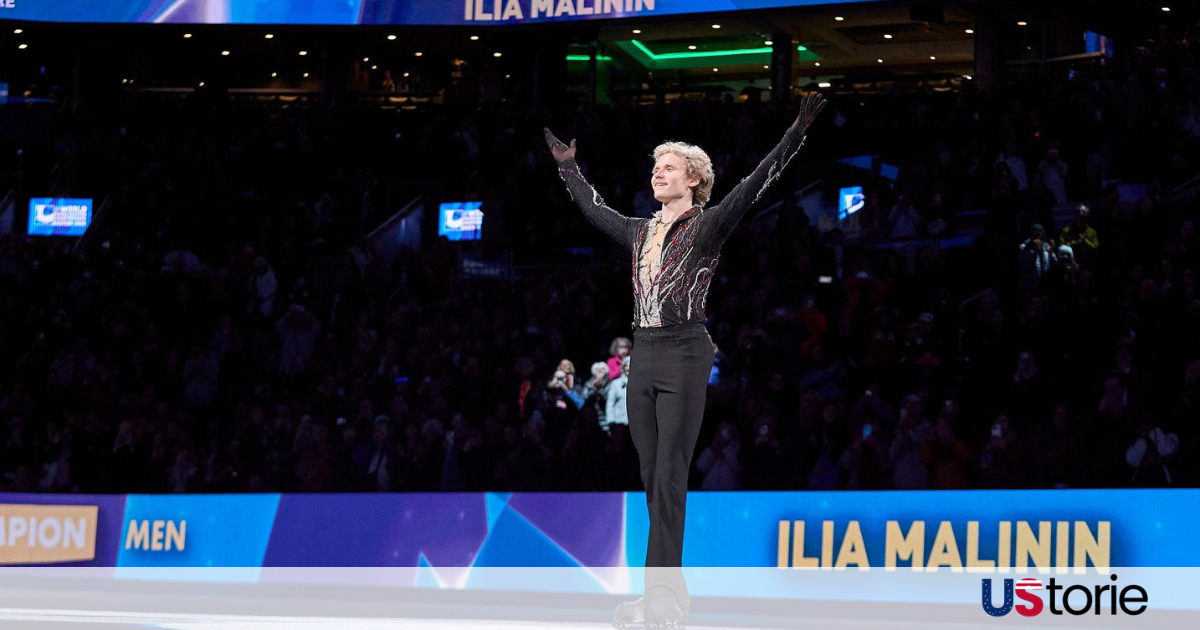
Ilia Malinin’s Olympic free skate was expected to be a defining moment. Instead, it became one of the most surprising setbacks of the Winter Games.
The 21-year-old American entered the free skate as a medal contender, widely known for pushing the technical limits of men’s figure skating. But two costly falls derailed his program, leaving Malinin in eighth place and off the podium in a result that quickly became one of the most talked-about moments of the competition.
The outcome has been trending across sports platforms, not because Malinin lacks talent, but because expectations were so high. His free skate was supposed to showcase the quad-heavy arsenal that has made him one of the sport’s most exciting athletes. Instead, it unfolded into what many observers described as a difficult night on Olympic ice.
For a detailed breakdown of the performance and scoring, The Athletic covered the sequence of events here:
Readers following Olympic updates can find broader coverage on U.S. developments at https://ustorie.com/category/us-news/ and additional sports and entertainment headlines at https://ustorie.com/category/entertainment/. More national and global reporting is available on our homepage at https://ustorie.com/.
What Happened in Ilia Malinin’s Olympic Free Skate
Malinin opened his program with confidence, landing his early elements cleanly. The crowd responded to the power and speed that have defined his rise through international competition.
The turning point came midway through the routine.
A planned high-difficulty jump sequence went wrong, resulting in the first fall. While elite skaters often recover from single mistakes, the error disrupted the rhythm of his program. Later, during another quad attempt, Malinin fell again, further affecting both his technical score and program components.
By the end of the skate, it was clear the podium was out of reach.
In figure skating, especially at the Olympic level, margins are narrow. A single misstep can shift standings dramatically. Two falls in a high-stakes final proved too much to overcome.
The Expectations Leading Into the Olympics
Malinin entered the Games with considerable momentum. Often referred to as one of the most technically ambitious skaters in the world, he has built a reputation for attempting difficult quad jumps that few others consistently execute.
Heading into the free skate, analysts viewed him as a strong medal possibility. His technical base value alone often places him in contention, provided he delivers a clean program.
That context explains why the eighth-place finish feels so striking. It wasn’t simply a bad skate. It was a performance that sharply contrasted with what many believed was possible.
What We Know About the Scoring
Official scoring showed significant deductions tied directly to the two falls. In figure skating, each fall results in a mandatory point deduction in addition to lower grades of execution for the affected element.
Beyond the numeric penalty, falls can also influence the overall impression judges have of the performance, potentially affecting component scores tied to performance quality, composition, and skating skills.
While Malinin still posted competitive technical marks on completed elements, the cumulative impact of the errors pushed him down the standings.
No injury was reported following the performance, and there were no official indications of equipment issues.
Why This Result Matters for Team USA
For Team USA, Malinin’s free skate was one of the key events in men’s figure skating. The United States has long been competitive in the discipline, and Malinin represents a new generation of technically aggressive skaters aiming to restore consistent podium finishes.
An eighth-place result does not diminish his standing as one of the sport’s most promising talents. However, it does underscore the unforgiving nature of Olympic competition. Experience often plays a critical role, and even minor disruptions can shift outcomes in a final round.
The broader U.S. delegation continues to compete across winter sports disciplines, and Olympic coverage remains a major focus for national audiences.
How Ilia Malinin Responded
Following the skate, Malinin acknowledged the difficulty of the night while expressing determination to improve. Athletes at this level frequently face defining setbacks, and how they respond often shapes the next phase of their careers.
Olympic appearances are rare opportunities. For younger competitors, they also serve as high-pressure learning experiences.
Malinin’s trajectory remains intact. At 21, he has years of international competition ahead. His technical skill set remains among the strongest in the field.
What Comes Next
The immediate focus will shift to post-Olympic competitions and the broader figure skating season. Many Olympic athletes return to Grand Prix events and world championships with renewed perspective.
Coaches and analysts will likely review the technical breakdown of the free skate, examining entry speed, takeoff mechanics, and sequencing decisions.
For fans, the takeaway is clear. Olympic sport is unpredictable. Favorites can falter. Underdogs can rise.
Ilia Malinin’s eighth-place finish after two falls will be remembered as a tough chapter in an otherwise rapidly ascending career. Whether it becomes a turning point or simply a temporary setback will unfold in the seasons ahead.