
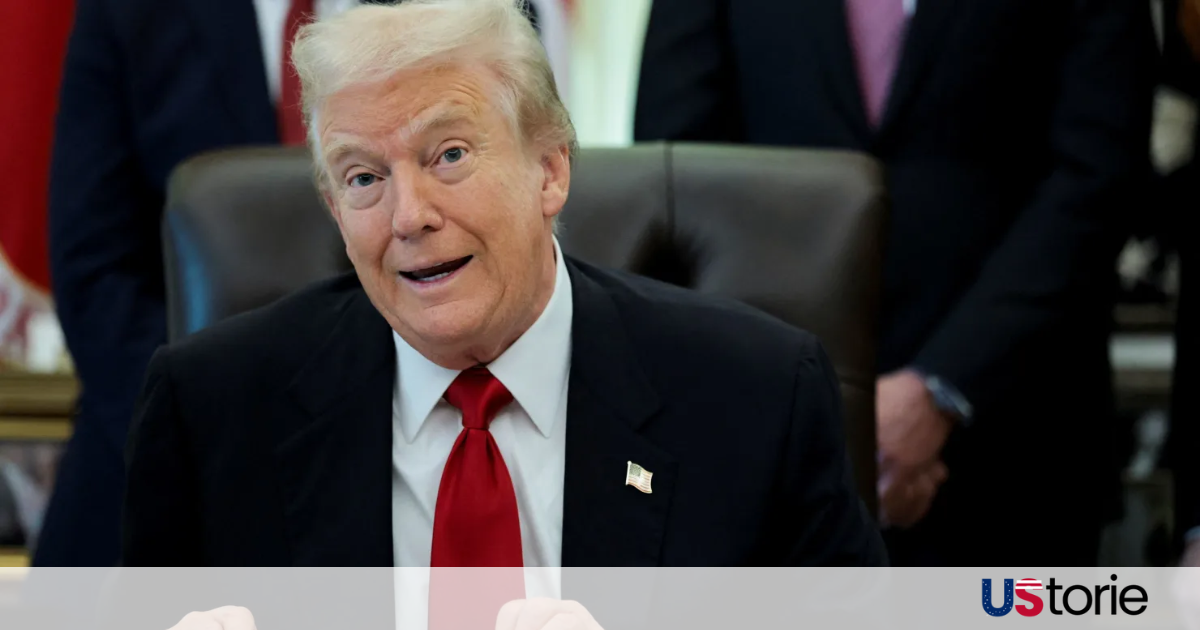
Every few years, Washington promises a fix for prescription drug prices. And every time, Americans wait to see if this one will be different. Late Thursday night, President Donald Trump introduced TrumpRx, a new direct-to-consumer website meant to connect people with lower-priced prescription drugs. The announcement came quietly, but the idea behind it hits a nerve that never really heals.
Drug prices in the U.S. are still painfully high. Insurance helps, sometimes. Coupons help, occasionally. But for many families, especially older Americans or those with chronic conditions, the monthly pharmacy bill feels unpredictable and unfair. TrumpRx is being pitched as a shortcut a way to see cheaper options without navigating a maze of insurers and middlemen.
At first glance, the idea sounds almost too simple. TrumpRx doesn’t sell drugs itself. Instead, it works as a connector, guiding users toward lower-priced alternatives through approved channels. Supporters say transparency is the point. Critics say transparency alone doesn’t change the system.
Both might be right.
Healthcare policy rarely works in straight lines. Anyone who has ever tried to compare drug prices knows that the same medication can cost wildly different amounts depending on where and how you buy it. TrumpRx claims it can make that comparison easier. If it does, even modest savings could matter to people already stretched thin.
Big policy shifts that affect everyday life often show up first as questions, not answers something regularly explored on UStorie, where national decisions are looked at through their human impact rather than political headlines.
https://ustorie.com/
Still, there’s skepticism. And it’s not unreasonable. The American drug pricing system is layered, protected, and deeply entrenched. Pharmaceutical companies, pharmacy benefit managers, insurers none of them disappear just because a new website exists. TrumpRx enters that ecosystem, it doesn’t replace it.
The branding also raises eyebrows. Attaching a president’s name to a healthcare platform guarantees attention, but it also guarantees division. Some Americans will trust it more because of who launched it. Others will dismiss it for the same reason. That reality has nothing to do with drug prices and everything to do with politics.
Yet it would be unfair to ignore the frustration that made this possible. People don’t care who gets credit when they’re standing at a pharmacy counter choosing between medicine and groceries. If TrumpRx helps even a portion of users find cheaper options, it will earn supporters quickly.
The White House says privacy protections are in place and that users won’t need to hand over sensitive medical records just to browse prices. That’s important. Trust is fragile when it comes to health data, and once it’s lost, it’s rarely regained.
Public reaction so far has been mixed but curious. Some see TrumpRx as a practical tool worth trying. Others view it as another announcement that won’t survive real-world complexity. That tension is familiar in American healthcare hope meets skepticism, and both wait for proof.
Political initiatives like this don’t exist in isolation. They shape conversations, expectations, and even voter perception. Those dynamics are often unpacked in UStorie’s US News section, where policy announcements are followed beyond the first headline.
https://ustorie.com/category/us-news/
What matters next isn’t the launch, but the follow-through. Will the site stay updated? Will it include meaningful options for people without insurance? Will savings be noticeable, or just symbolic? These are the questions that don’t get answered in press briefings.
There’s also the risk of overpromising. Drug prices are one of the most stubborn problems in U.S. policy. No website fixes that alone. If TrumpRx is framed as a tool not a cure expectations may stay realistic. If it’s framed as a solution, disappointment could follow.
From a cultural perspective, TrumpRx fits into a growing trend: turning policy into consumer experience. Apps, portals, dashboards government increasingly speaks in the language of usability. Whether that improves outcomes or just appearances is still up for debate. That intersection of politics, branding, and public perception is often explored in UStorie’s Entertainment section, where media narratives matter as much as policy itself.
https://ustorie.com/category/entertainment/
So where does that leave TrumpRx?
Somewhere between possibility and uncertainty. It could become a helpful resource for price-conscious consumers. It could fade into the background like many well-intentioned tools before it. The difference will come down to execution, honesty, and whether people actually save money.
ABC News reported that President Trump introduced TrumpRx as a way to help Americans connect with lower-priced prescription drugs, positioning it as a consumer-focused option within the current system.
For now, TrumpRx exists. That alone doesn’t change much. What changes things is what happens the first time someone logs on, compares prices, and realizes they can finally afford the medication they need. Until that moment happens again and again TrumpRx remains a promise waiting to be tested.