
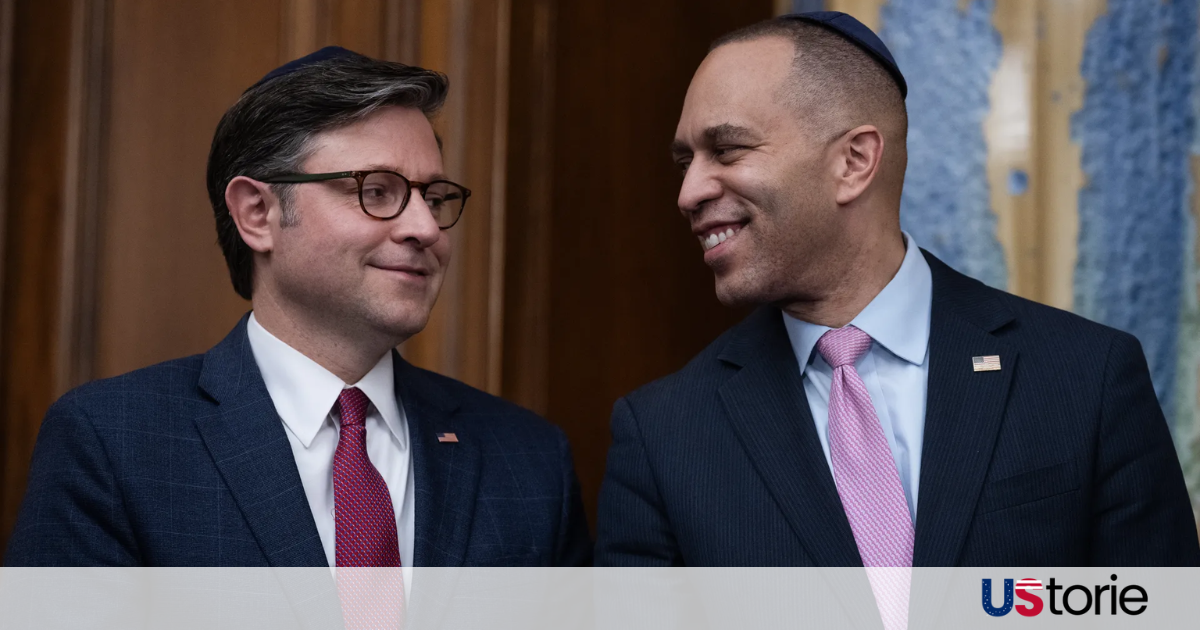
The partial US government shutdown in 2026 is creating more stress than many expected, and it doesn’t seem like a quick solution is coming anytime soon. Recently, Republican leader Mike Johnson warned that lawmakers shouldn’t count on Democrats to help end the impasse. That statement alone makes it clear: the standoff over funding is far from over.
Federal employees are feeling the brunt of this shutdown first-hand. Some have been furloughed, while others are working without pay. Daily routines are disrupted, from slower passport processing to partially closed national parks. Small businesses and contractors who rely on federal funding are facing uncertainty about whether they will get paid on time. The economic ripple effect is already starting to spread, and citizens are beginning to feel the consequences in their own pockets.
The funding debate is centered largely around the Department of Homeland Security. Republicans are pushing for cuts and policy concessions before agreeing to a continuing resolution. Democrats, on the other hand, insist that essential government services continue without conditions. Both sides are dug in, making compromise difficult. According to The Guardian, negotiations have stalled, and neither party shows signs of giving ground (source).
Beyond politics, the shutdown affects real lives. Federal workers juggling bills without paychecks face mounting stress. Visa applications are delayed, airport security staffing is stretched, and certain healthcare programs are slowed down. Even small contractors working on federal projects are worried about delayed payments that could disrupt their operations and local economies. Prolonged shutdowns can also shake investor confidence, potentially affecting broader markets.
Mike Johnson’s warning indicates that the shutdown might drag on. Analysts suggest this could be a strategic move: leveraging public frustration to pressure the other side into concessions. Democrats argue that cutting essential services risks hurting Americans more than helping the budget, making the standoff even harder to resolve. The 2026 shutdown clearly highlights how divided politics has become, with compromise often feeling secondary to strategy.
For those trying to stay updated, platforms like UStorie provide detailed coverage of the unfolding situation. Their main website gives a full overview of developments:
https://ustorie.com/
For readers focused specifically on US politics and federal government issues, the US News section provides ongoing updates and analysis:
https://ustorie.com/category/us-news/
And for context on how political decisions affect society, business, and culture, the Entertainment section offers insights connecting these events to broader trends:
https://ustorie.com/category/entertainment/
Looking ahead, there is no clear end in sight. Some lawmakers hope a deal can be reached in a few weeks, but given the entrenched positions and political maneuvering, a prolonged shutdown is possible. Delayed paychecks, stalled government services, and uncertainty for small businesses are likely to continue impacting everyday Americans.
The shutdown also highlights the challenges of governance in a highly polarized political climate. Statements like Johnson’s show that negotiations are not just about policy—they are also about political strategy, messaging, and leverage. While politicians maneuver, ordinary citizens, workers, and business owners feel the real effects.
According to The Guardian, the negotiations have hit multiple roadblocks, and a quick resolution seems unlikely. This emphasizes how dependent government operations are on compromise, which appears increasingly rare in today’s political landscape (source).
Ultimately, the partial government shutdown of 2026 isn’t just a political issue it’s a real-life problem for thousands of Americans. Federal employees, contractors, and citizens navigating delayed services are all impacted. Staying informed through reliable platforms like UStorie helps readers understand both immediate effects and the bigger picture:
https://ustorie.com/
For now, the wait continues. And as it does, the financial, social, and emotional costs grow. Americans are reminded that political stalemates don’t happen in a vacuum—they touch real lives in very real ways.