
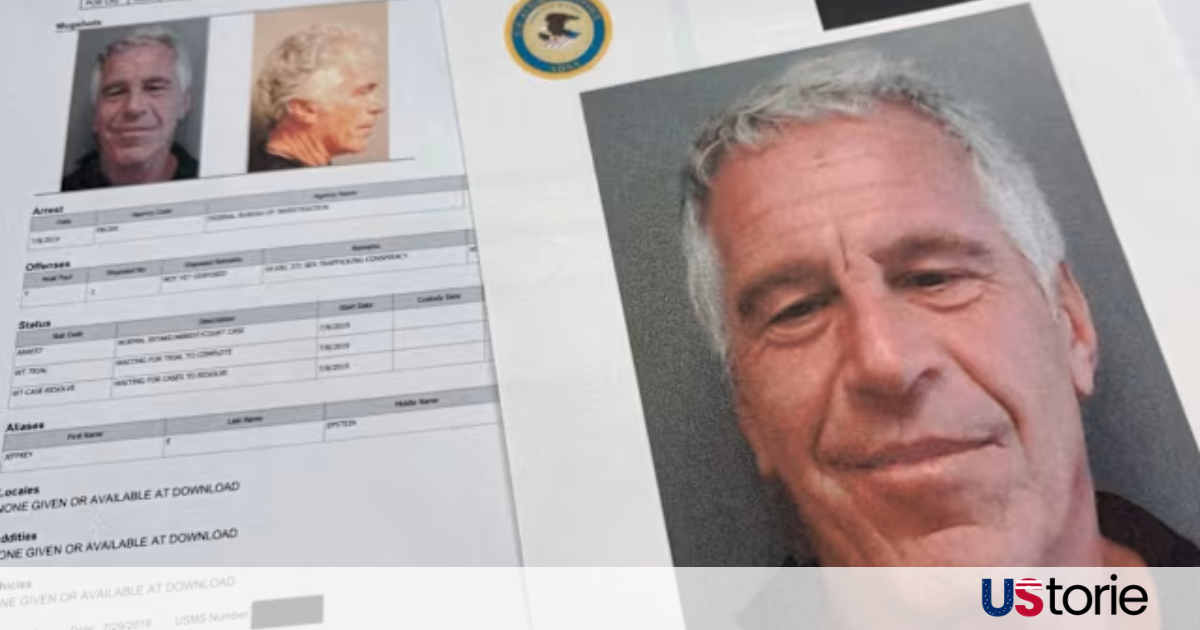
There’s a strange feeling that hits when old secrets surface. Not shock exactly. More like exhaustion. As if we’ve seen this movie before, but the cast list keeps changing. When the Department of Justice quietly released a batch of Epstein-related files this week, it wasn’t fireworks it was a slow burn. Names, dates, places. And then one detail landed harder than the rest: a previously undisclosed visit to Jeffrey Epstein’s island involving Commerce Secretary Howard Lutnick.
That’s when this stopped being “archival paperwork” and became something else entirely.
The DOJ’s latest release doesn’t prove crimes on its own. That’s important to say up front. But pretending it’s meaningless would be dishonest. Documents don’t accuse people do. Still, records reveal patterns, and patterns are where power tends to hide.
Here are five early takeaways that actually matter not the Twitter noise, not the hot takes, but the uncomfortable middle ground most people would rather skip.
The Epstein Story Isn’t Over It’s Just Aging
Many assumed Epstein’s death closed the book. It didn’t. It just delayed the footnotes. These documents show how slowly the truth leaks out when powerful people orbit the same social gravity.
Howard Lutnick’s island visit, now public for the first time, is a reminder that disclosure doesn’t always arrive when it should it arrives when it’s forced. For detailed reporting on that specific revelation, the original investigation can be read here:
That this information sat sealed for years raises a harder question: how many similar details are still buried?
Visits Matter, Even When No Charges Follow
There’s a familiar defense line already circulating: “Being there doesn’t mean wrongdoing.” That may be true legally. But socially and ethically, visits still matter.
Epstein didn’t operate in isolation. His influence came from proximity access to people who could open doors or close investigations. Understanding who crossed paths with him, and when, helps map that ecosystem.
This is the part most people misunderstand. Accountability isn’t always about handcuffs. Sometimes it’s about clarity.
Broader discussions on power and institutional silence show up often in U.S. coverage like the reporting found at
https://ustorie.com/category/us-news/
Transparency Comes Late And That’s the Problem
The DOJ releasing these files now doesn’t deserve praise. It deserves scrutiny. Transparency delayed is transparency denied.
Court systems are excellent at procedural correctness and terrible at public clarity. Sealed documents, redactions, jurisdictional ping-pong all legal, all frustrating. By the time information surfaces, public attention has usually moved on.
That gap erodes trust. Not overnight. Slowly. Quietly.
It’s one reason independent platforms continue examining how institutions manage power, accountability, and narrative control, including long-form analysis at https://ustorie.com/.
Journalism Still Does the Heavy Lifting
Documents don’t explain themselves. Someone has to read them, contextualize them, and connect them to real-world consequences. That’s where journalism still matters even when it’s unpopular.
Without reporters digging through filings and asking uncomfortable follow-ups, this DOJ release would have passed unnoticed by most people. Instead, it’s prompting renewed scrutiny not just of Epstein, but of how elites move through social spaces without consequences.
The public often underestimates how much work goes into making silence audible.
The Public Reaction Will Decide What Comes Next
Here’s the uncomfortable truth: nothing meaningful happens unless people care past the headline.
Some will dismiss this as recycled scandal. Others will inflate it into conspiracy. Both reactions miss the point. The real question is whether society demands earlier disclosure next time or shrugs and waits another decade.
Crime, accountability, and power don’t exist in separate lanes. They overlap. And when they do, ignoring that intersection only guarantees repetition.
Cultural reactions to stories like this how outrage fades, how narratives shift are often explored through entertainment and media analysis, including pieces at https://ustorie.com/category/entertainment/.
Final Thought
The Epstein files don’t give us closure. They give us context late, incomplete, but still necessary.
Howard Lutnick’s disclosed visit doesn’t conclude a story. It reopens one. It reminds us that influence operates quietly, that transparency is rarely voluntary, and that accountability doesn’t announce itself it has to be demanded.
If this release leads to better disclosure standards, it mattered.
If it fades into background noise, it didn’t.
That choice doesn’t belong to the DOJ.
It belongs to everyone watching.
For ongoing coverage that examines power without polishing it, visit https://ustorie.com/.