
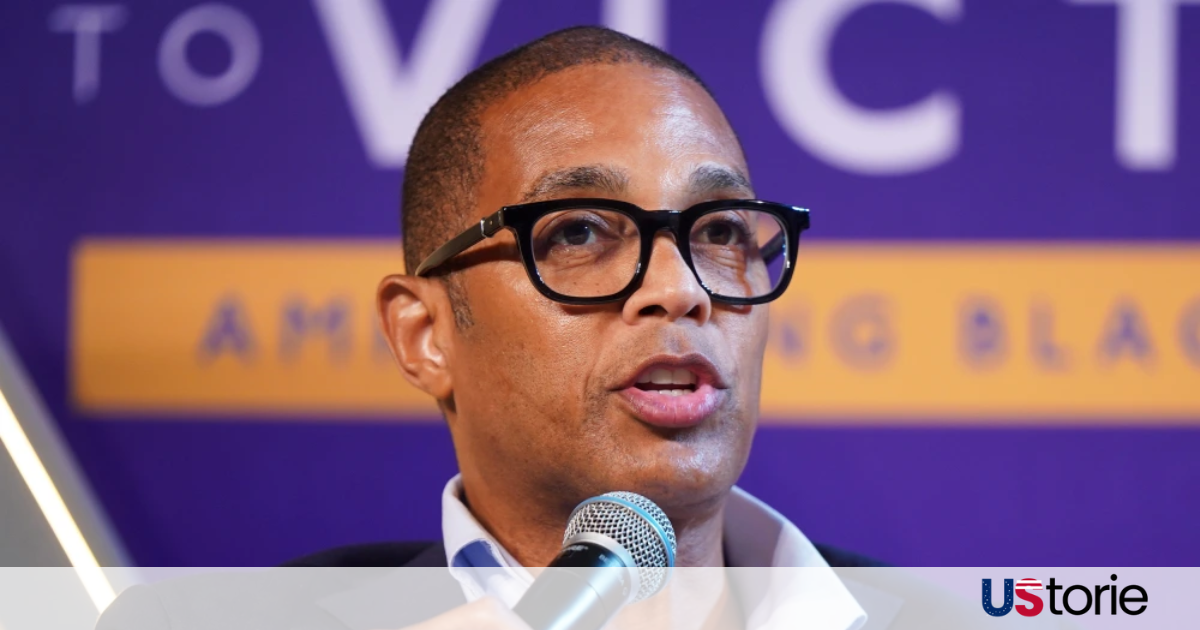
Sometimes the line between journalism and activism blurs in ways that catch everyone off guard. That seems to be the case with Don Lemon, the former CNN anchor, who was arrested by federal authorities during a protest inside a St. Paul church earlier this month. Lemon insists he wasn’t protesting. He says he was reporting—just doing his job as a journalist—but the arrest raises uncomfortable questions about where the press fits in situations charged with emotion and conflict. (Read the full NBC report here)
The story isn’t just about one man or one arrest. It’s about the tension between free press, protest movements, and religious spaces. It’s about moments where reporting becomes inseparable from the narrative itself. Lemon has been a lightning rod for debate over the years, but this situation feels different—it’s quieter, but heavier. There’s an almost uncomfortable stillness behind the headlines, a reminder that the press doesn’t operate in a vacuum.
Inside the St. Paul Church
The service at the center of the arrest had already been a point of local contention. Community members, activists, and journalists converged, each with their own motivations. Lemon reportedly entered intending to document the proceedings, asking questions and recording events. Witnesses describe a tense atmosphere. For some attendees, any camera felt intrusive; for others, journalists are essential witnesses.
Federal authorities viewed Lemon’s presence differently. They saw a figure in the middle of a charged event, a high-profile media personality navigating a delicate situation. That the arrest escalated to federal involvement is telling—it reflects how seriously authorities treat protests inside places of worship, even when journalists are involved.
For deeper context on press rights and reporting in high-tension scenarios, you can explore thoughtful analyses on https://ustorie.com/category/us-news/.
Journalism vs. Activism
Lemon’s arrest underscores a growing dilemma: when does reporting end, and participation begin? Many journalists covering protests, demonstrations, or civil unrest face this question daily. There’s no easy answer. Recording events is meant to inform the public, yet the act of witnessing and documenting sometimes changes the dynamic in real-time.
Some critics argue that prominent media figures carry influence that ordinary reporters don’t—just their presence can be interpreted as endorsement. Others say Lemon was simply fulfilling his duty, putting himself in the field like any reporter would. It’s a nuanced debate, and one that touches on civil liberties, First Amendment protections, and the evolving role of media.
For broader discussions about journalism in complex social settings, check out https://ustorie.com/category/entertainment/.
Public and Media Reactions
Reactions have been split. Some see the arrest as an alarming overreach, potentially chilling press freedom. Others argue that the church is private property, and authorities were within their rights to intervene. Social media amplified the controversy, with debates about bias, fairness, and the responsibility of journalists becoming hot topics.
Beyond the immediate reactions, the incident highlights a societal challenge: how do we balance freedom of the press with community safety, religious sanctity, and public order? Lemon’s situation isn’t unique, but his high profile ensures it won’t be forgotten anytime soon.
If you want to follow broader coverage and updates on similar incidents, https://ustorie.com/ regularly covers intersections of media, politics, and law.
What This Means for Journalism
The arrest raises questions not only for Lemon but for all journalists who cover protests, high-tension events, or spaces where private and public interests collide. It’s a reminder that journalism isn’t just about reporting facts—it’s about navigating environments that are unpredictable and sometimes legally gray.
There’s also a lesson here about perception. High-profile reporters may find themselves treated differently than their colleagues, simply because their presence draws attention. How journalists respond—calmly, firmly, and ethically—can define not just the story but the broader conversation about press freedom.
Final Thoughts
Don Lemon’s arrest is more than a news item; it’s a lens through which to examine the evolving role of journalists in America. It asks uncomfortable questions: Where does reporting end? Where does influence begin? How do we protect press freedom while respecting private spaces?
One thing is clear: the incident will be analyzed, discussed, and debated for months. It’s a case study in the challenges of modern journalism, and the stakes are high—not just for Lemon, but for the press at large.