

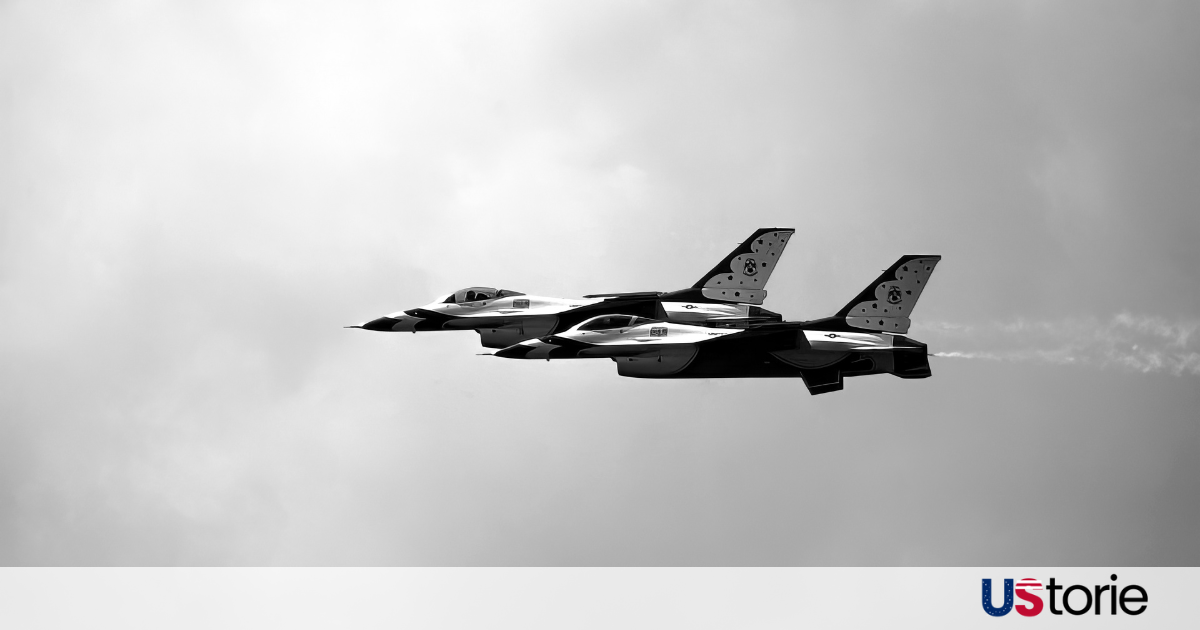
The geopolitical tensions between Thailand and Cambodia escalated dramatically on December 8, 2025, when Thailand launched airstrikes along disputed border areas. This aggressive move comes amid growing instability and directly threatens the ceasefire agreement brokered by former U.S. President Donald J. Trump just weeks earlier.
The border region, already a hotspot for skirmishes and military standoffs, now faces a heightened risk of full-scale conflict. Civilian populations on both sides of the border have been displaced, and international observers are urging both governments to return to diplomacy before the situation spirals further out of control.
Details of the Airstrikes and Immediate Impact
According to official statements from the Thai military, the airstrikes targeted military installations and logistical routes allegedly used by Cambodian forces. Thai officials claim the operation was necessary to protect national security after repeated border incursions.
Cambodian authorities, however, denounced the strikes as unprovoked aggression, emphasizing the humanitarian consequences and calling for international intervention. The airstrikes have already resulted in several casualties, raising concerns about the growing humanitarian crisis in the border regions.
Experts say this escalation underscores the fragility of the Trump-brokered peace deal, which had aimed to deescalate long-standing tensions and facilitate border security talks. Analysts in the Business & Finance section note that such geopolitical instability can have direct implications for regional investment, trade, and market confidence.
Trump’s Peace Deal at Risk
The ceasefire agreement negotiated by former President Trump focused on mutual withdrawal of troops, demilitarized zones, and monitoring mechanisms. While initially praised as a breakthrough, the latest airstrikes highlight the challenges of enforcing peace in historically contentious regions.
International media coverage and diplomatic channels now suggest that without immediate intervention, the peace deal could collapse entirely, potentially igniting a prolonged conflict. For readers interested in ongoing developments in U.S. foreign policy and global news, visit the U.S. News section for in-depth reporting and analysis.
Regional and Global Implications
The Thailand-Cambodia conflict has broader repercussions beyond Southeast Asia:
Trade & Economy: Border disruptions threaten trade routes and supply chains in the region, impacting businesses and investors monitoring emerging markets.
Diplomatic Relations: Neighboring countries are likely to increase diplomatic pressure, seeking de-escalation to prevent spillover effects.
Humanitarian Concerns: Civilian displacement, casualties, and resource shortages are immediate concerns that international aid organizations are already addressing.
Experts warn that if hostilities continue, investor confidence in the region could decline, particularly for industries sensitive to political instability such as logistics, tourism, and manufacturing. More updates on economic and market analysis can be explored in the Business & Finance category.
Next Steps for Peace and Stability
Diplomatic sources indicate that international mediators are urging both Thailand and Cambodia to:
Halt offensive military operations immediately.
Resume talks based on the framework of the Trump-brokered agreement.
Establish stronger monitoring and communication mechanisms to prevent misunderstandings.
Failure to act swiftly could result in further escalation, not only threatening the peace process but also destabilizing regional security across Southeast Asia. For real-time updates, insights, and community reactions on such breaking international events, you can also follow coverage via the home page.