
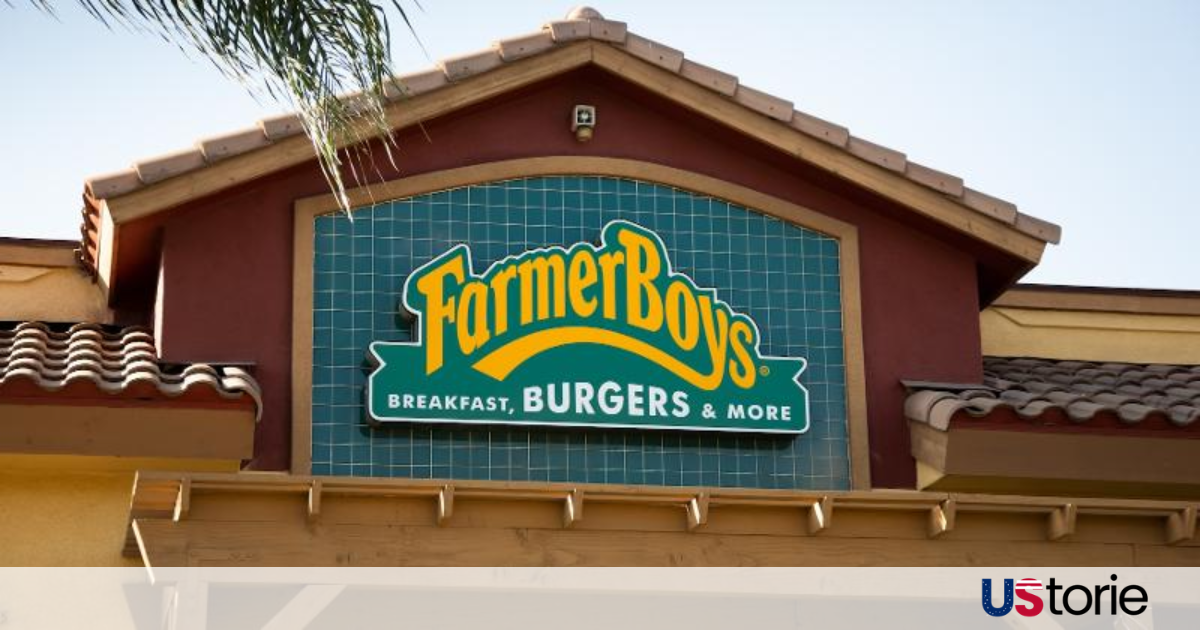
The fast-casual dining sector is facing another wave of economic turbulence as a long-standing operator within the popular burger chain, Farmer Boys, has officially filed for Chapter 11 bankruptcy protection. The filing, which took place in the Central District of California, involves a veteran franchisee who has been a staple in the industry for over four decades. While the Farmer Boys brand remains a favorite for its farm-to-table approach, this specific business failure highlights a growing epidemic of predatory financing and rising operational costs that are suffocating small to mid-sized operators.
This legal move is not just a sign of poor sales, but rather a cautionary tale of how modern debt structures can dismantle even a well-established restaurant business.
The Catalyst: Predatory “Merchant Cash Advances”
The primary reason cited for the insolvency isn’t just a lack of customers—it’s the crushing weight of high-interest debt. According to the court documents, the franchisee fell into a cycle of “Merchant Cash Advance” (MCA) financing. These are not traditional bank loans but rather advances on future credit card sales that often carry effective interest rates exceeding triple digits.
As detailed in the TheStreet report on the Farmer Boys bankruptcy, the operator began taking these advances to stay afloat during a period of rising labor costs and ingredient inflation. However, the daily withdrawals from their bank accounts became unsustainable, leaving the business with zero cash flow to manage day-to-day operations.
For an investigative look at how “Shadow Banking” is impacting the franchise model in the United States, UStorie has published a detailed financial guide for small business owners.
Forty-Four Years of History at Risk
The franchisee in question has been operating for 44 years, surviving numerous economic recessions and the global pandemic. The decision to enter Chapter 11 is a strategic move to pause all collection efforts and restructure the massive debt obligations. Unlike a Chapter 7 liquidation, this filing allows the Farmer Boys locations under this owner to remain open while a court-approved repayment plan is negotiated with creditors.
This development is a primary focus of our US News business desk. We are examining how California’s recent minimum wage hikes for fast-food workers have contributed to the “margin squeeze” that pushed this operator toward risky financing. While the wage increase was designed to help employees, many franchisees argue it has left them with no room for error in their balance sheets.
The Ripple Effect: Will More Chains Follow?
Farmer Boys isn’t the only name in the headlines. From Red Lobster to various Burger King operators, the restaurant industry is seeing a record number of bankruptcy filings in early 2026. The combination of “sticky” inflation and high interest rates has created a perfect storm for businesses that rely on high-volume, low-margin sales.
To see a list of other restaurant chains facing potential restructuring or store closures this quarter, visit our Sports and Lifestyle section, where we track the economic health of America’s most popular dining destinations.
Can the Franchisee Be Saved?
The goal of a Chapter 11 filing is a “fresh start.” By using the legal system to freeze the predatory daily withdrawals from lenders, the franchisee hopes to reorganize their finances and return to profitability. However, success depends on the willingness of the primary franchisor, Farmer Boys Food Inc., to support the restructuring and whether the landlord will negotiate new lease terms.
At UStorie, we are monitoring the court proceedings to see if the merchant cash advance lenders will be treated as “secured” or “unsecured” creditors. This distinction will determine whether the burger joints stay open or eventually face the auction block.
Final Thoughts: A Warning to the Industry
The Farmer Boys franchisee bankruptcy serves as a stark warning to the entire hospitality sector. Even 44 years of experience cannot protect a business from the dangers of high-interest cash advances in an inflationary environment. As the restructuring begins, the focus will remain on whether these classic American burger spots can survive the modern debt trap.
For now, the grill is still on, but the financial battle in the courtroom is just heating up.