

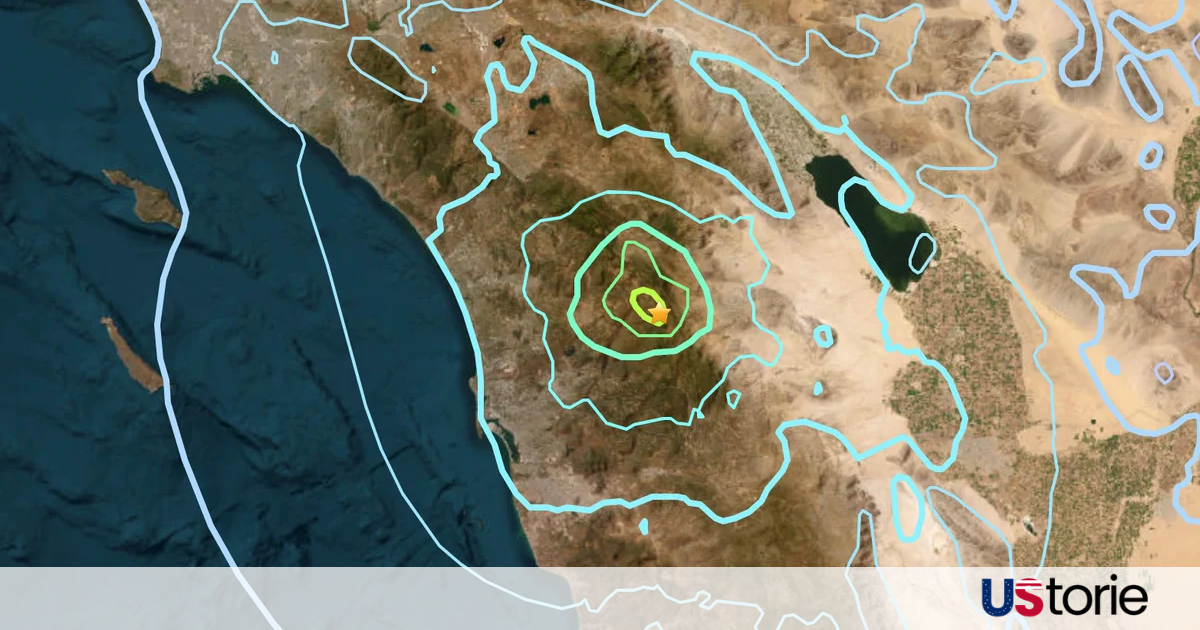
Residents across Northern California were given a sudden reminder of the state’s seismic volatility this morning. A California earthquake in the Santa Cruz Mountains, measuring a preliminary 4.6 magnitude, struck the region, sending noticeable tremors through the San Francisco Bay Area and as far south as Monterey. The United States Geological Survey (USGS) confirmed the quake occurred at a relatively shallow depth, which contributed to the widespread reports of shaking in high-rise buildings and residential neighborhoods alike.
While the magnitude falls into the “light” category, the location of the epicenter—nestled within a complex network of fault lines—triggered immediate inspections of critical infrastructure, including the Bay Bridge and local BART transit tunnels. Fortunately, there have been no immediate reports of major structural damage or injuries.
The Epicenter: A Familiar Fault Zone
The quake was centered in a rugged, forested area of the Santa Cruz Mountains, roughly 10 miles northeast of the coastal city of Santa Cruz. This region is historically significant, as it sits near the San Andreas Fault system, the same network responsible for the devastating 1989 Loma Prieta earthquake. Seismologists noted that today’s event appears to be a strike-slip movement, consistent with the tectonic behavior of this specific mountainous corridor.
According to the San Francisco Chronicle report on the Santa Cruz Mountains quake, thousands of people used the USGS “Did You Feel It?” tool within minutes of the initial jolt. Residents described the sensation as a “sharp jolt followed by several seconds of rolling,” a common characteristic of earthquakes occurring in the rocky terrain of the coastal range.
For a detailed look at the history of seismic activity in Northern California and how to prepare your home for future events, UStorie has published an updated California Earthquake Preparedness Guide.
Bay Area Response: Infrastructure and Safety
In the immediate aftermath, transit agencies took precautionary measures. BART (Bay Area Rapid Transit) briefly slowed train speeds to perform track inspections, leading to minor delays during the morning commute. Caltrans also deployed teams to inspect overpasses and bridges in the immediate vicinity of the epicenter to ensure no hairline fractures had developed.
This event is a primary focus of our US News safety desk. We are tracking the frequency of these mid-sized tremors, which some experts suggest may help relieve accumulated stress along the fault line, though they are not considered a “prediction” for a larger event. Local emergency management offices have urged residents to check their “Go Bags” and ensure heavy furniture is properly anchored, as aftershocks—though likely smaller—remain a possibility over the next 48 hours.
Technology to the Rescue: Early Warning Systems
Many residents reported receiving a “ShakeAlert” on their smartphones seconds before the shaking began. This Google and USGS-powered system provides a crucial window of time for people to “Drop, Cover, and Hold On.” The success of the alert during this 4.6 magnitude event is being hailed as a win for the state’s investment in early-warning technology, which aims to minimize injuries during larger, more destructive quakes.
To see the real-time seismic data and a list of the largest aftershocks recorded so far, visit our Sports and Lifestyle section, which covers the science of “Earthquake Weather” and the community’s resilience in the face of natural disasters.
Living with the “Big One” Anxiety
In California, a 4.6 magnitude quake often serves as a “wake-up call.” While the damage today was minimal—mostly consisting of items falling off shelves in Santa Cruz and Los Gatos—the psychological impact remains. Social media was quickly flooded with videos of swinging light fixtures and startled pets, reflecting a community that is always mindful of the potential for a larger seismic shift.
At UStorie, we are closely following the reports from seismologists at UC Berkeley and Stanford. They are analyzing the data to determine if this specific tremor occurred on a known strand of the San Andreas or a previously unmapped blind thrust fault, which could provide more insight into the long-term risks for the Bay Area.
Final Thoughts: Staying Prepared
The California earthquake in the Santa Cruz Mountains is a vivid reminder that the earth beneath our feet is constantly in motion. While today’s event was a minor disruption, it underscores the importance of the “Great ShakeOut” drills and personal preparedness. As the rolling hills of the Santa Cruz range settle back into a quiet state, the message to Californians remains clear: It’s not a matter of if, but when.
Stay tuned for further updates as the USGS continues to refine its data on this morning’s event.