
Tesla announced a major shift in its business strategy this week, confirming that it will end production of the Model S and Model X cars and repurpose its Fremont, California factory lines to build humanoid robots.
The decision, revealed in an official statement and backed by reporting from CNBC, confirms that Tesla is redirecting resources toward its Optimus robot project a move that signals a new phase for the company and raises questions about how it plans to balance automotive sales with advanced robotics.
For the original reporting on this development, you can read the detailed CNBC article here
A Quiet End to Two Iconic Models
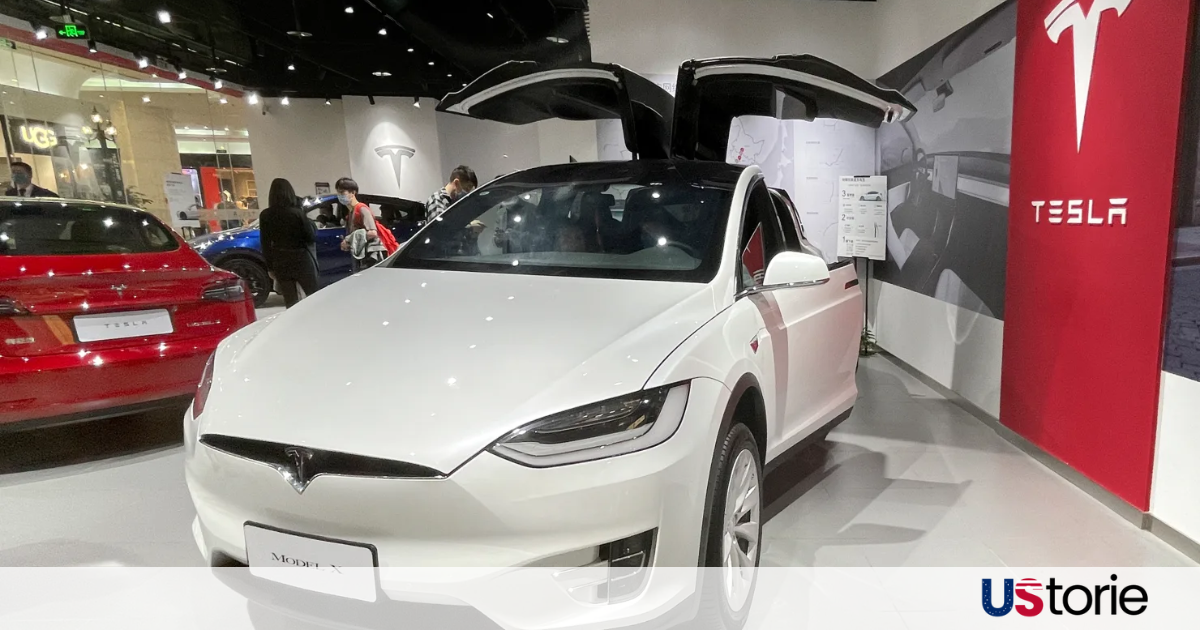
The Model S and Model X have been central parts of Tesla’s lineup for years. The Model S helped establish the company as a serious automaker with long-range electric performance, while the Model X introduced unique features like falcon-wing doors, advanced safety, and all-electric family travel.
Despite their importance in Tesla’s history, both models have lagged behind in sales compared with the more affordable Model 3 and Model Y. With production lines now set to shift toward robotics, it’s clear Tesla is betting big on a future where robots may play a core role in everyday life and industry.
Major industry shifts like this don’t just affect vehicle buyers they ripple across technology sectors, workforce expectations, and investor sentiment. For regular updates on tech and national developments, platforms like https://ustorie.com/category/us-news/ often provide broader context beyond headlines.
Why Tesla Is Doubling Down on Robots
CEO Elon Musk has spoken openly about Optimus, Tesla’s humanoid robot, suggesting that it could become even more significant to the company than its electric vehicles. Optimus is designed initially for industrial tasks helping with repetitive or manual jobs with long-term visions of broader consumer use.
Repurposing the Fremont factory for robots moves Tesla closer to scaling production of Optimus. The company believes that dedicating full production capacity will accelerate progress and help establish a manufacturing foundation for robotics.
This pivot underscores how Tesla no longer sees itself solely as a carmaker but as a technology company blending AI, automation, and advanced hardware. Developments like these often extend into cultural conversations something regularly examined in entertainment and lifestyle coverage at https://ustorie.com/category/entertainment/.
What Happens to Car Production
Ending Model S and Model X production doesn’t mean Tesla is exiting the car business. The Model 3 and Model Y remain Tesla’s main revenue drivers, and the company continues to produce them at scale.
Tesla is also expected to focus on future vehicle platforms, including lower-cost models that could expand its market reach. By simplifying its lineup and focusing on higher-volume models, Tesla may improve manufacturing efficiency and allocate more resources to emerging technologies.
Still, the decision leaves some longstanding Tesla owners wondering what comes next especially for drivers who chose the Model S or Model X for performance or premium features.
Market and Industry Reaction
Investors had mixed reactions to the news. Some welcomed Tesla’s bold push into robotics, while others expressed concern about the risks of shifting away from vehicles that helped define the brand.
Competing automakers could benefit from Tesla’s reduced focus on premium EVs, while start-ups and technology firms watching the evolution of robotics may see new opportunities.
For industry observers, the transition speaks to how rapidly tech companies are evolving and how lines between automotive, AI, and robotics are increasingly blurred.
When major companies shift direction this dramatically, it often becomes part of national discussions about innovation and economic trends, which are covered in depth at https://ustorie.com/.
Why This Matters
Tesla’s strategy move highlights several trends shaping the future of technology and manufacturing:
The growing importance of automation and AI
The challenge of sustaining diverse product lines
The potential for robotics to transform industrial sectors
The risks and opportunities associated with bold pivots
Whether Optimus becomes a household name or remains a niche industrial tool, Tesla’s emphasis on robots signals where the company believes growth will happen.
Final Thought
What once seemed futuristic robots built by a company known for electric cars is now part of Tesla’s core strategy. Shutting down Model S and Model X production marks the end of an era, but it also opens a new chapter where machines may play roles beyond the factory floor and into everyday life.
In a world where technology changes fast, companies that adapt stand to shape what comes next for better or worse.