
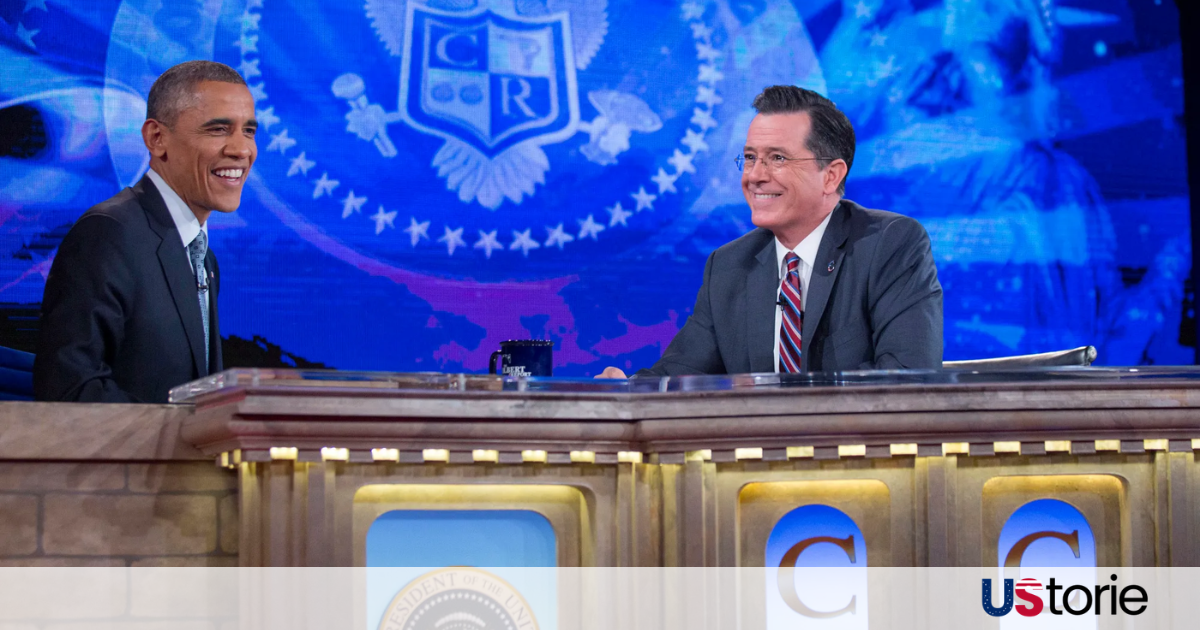
In a media landscape increasingly defined by noise and division, Barack Obama’s latest appearance on The Late Show with Stephen Colbert provided a masterclass in the “wow factor” of measured, intellectual discourse. Filmed in early May 2026, the interview was more than just a promotional stop; it was a strategic intervention in the current political climate.
The former president managed to navigate a “world casino” of high-stakes topics—ranging from the future of the Democratic Party to the existence of extraterrestrial life—all while maintaining his trademark cool. Here are the five most notable moments from a conversation that has already dominated social media feeds across the globe.
1. The Art of the “No-Name” Critique
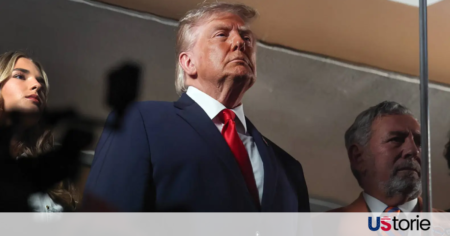
Perhaps the most sophisticated element of the interview was Obama’s criticism of Donald Trump. True to his post-presidency style, Obama managed to deliver a blistering critique of the current political environment without ever mentioning the former president by name.
He spoke at length about the “erosion of institutional norms” and the dangers of a “personality-driven governance model.” By keeping the focus on the principles of democracy rather than a specific individual, Obama’s words carried a weight that felt more like a historical warning than a partisan jab. According to a recap by The New York Times, this subtle approach resonated deeply with a public weary of 24-hour shouting matches.
2. A Call for “Plain-Spoken” Politics
Addressing the future of the Democratic Party, Obama offered a piece of advice that many analysts are calling a “wake-up call” for 2026. He urged Democratic leaders to abandon “academic jargon” and “focus-group-tested language” in favor of being plain-spoken.
“People need to know you understand their lives, not that you’ve read the latest white paper,” Obama told Colbert. He argued that the “wow factor” of a political campaign should come from its authenticity, not its complexity. For an in-depth analysis of how this “plain-spoken” strategy is being adopted by upcoming 2026 candidates, visit the political desk at UStorie.
3. The Truth is Out There: UFOs and Aliens
In a lighter, yet surprisingly serious moment, Colbert pressed Obama on the perennial question of extraterrestrial life. Given the recent declassification of several UAP (Unidentified Aerial Phenomena) reports in early 2026, the topic felt more relevant than ever.
Obama didn’t confirm any “little green men,” but his coy response—noting that there are “images and records of objects in the skies that we don’t know exactly what they are”—sent the internet into a frenzy. It was a classic Obama moment: providing just enough information to keep the mystery alive while remaining grounded in official reality.
4. Reflecting on the “Special Relationship” with Voters
Obama spent a significant portion of the interview reflecting on the psychological toll of the modern news cycle. He spoke about the “special relationship” between a leader and the public’s collective anxiety.
He noted that in 2026, the speed of information has created a “permanent state of adrenaline” that makes long-term policy thinking almost impossible. His advice to the audience was to “unplug and look at the horizon occasionally,” a sentiment that Colbert echoed with his characteristic blend of humor and sincerity. To see our exclusive gallery of behind-the-scenes photos from the Ed Sullivan Theater during this taping, check out the collection at UstorieMedia.
5. The “Fatherhood” Factor
Rounding out the interview, Obama touched on his personal life, specifically his transition into a new phase of fatherhood as his daughters navigate their own careers in the mid-2020s. He joked about his “diminished status” in the household, a relatable moment that humanized the global icon.
This segment served as a bridge between the political and the personal, reminding viewers that the “architecture of identity” (a nod to this year’s Met Gala theme) is as much about family as it is about public service.
Final Verdict
Barack Obama’s interview with Stephen Colbert was a reminder of why he remains one of the most effective communicators in modern history. By blending high-level political strategy with extraterrestrial curiosity and personal anecdotes, he provided a roadmap for how to engage with the world in 2026.
As the Democratic Party prepares for the upcoming midterms and the 2028 horizon, Obama’s “plain-spoken” advice will likely be the North Star for many. Whether you’re a political junkie or just a fan of late-night banter, this interview was a rare moment of clarity in a chaotic year.