
On a quiet rooftop overlooking the city, it’s impossible not to think about distance not miles, but meaning. The distance between what was demanded and what was delivered. Between hope and habit. Between the words we quote and the work we avoid.
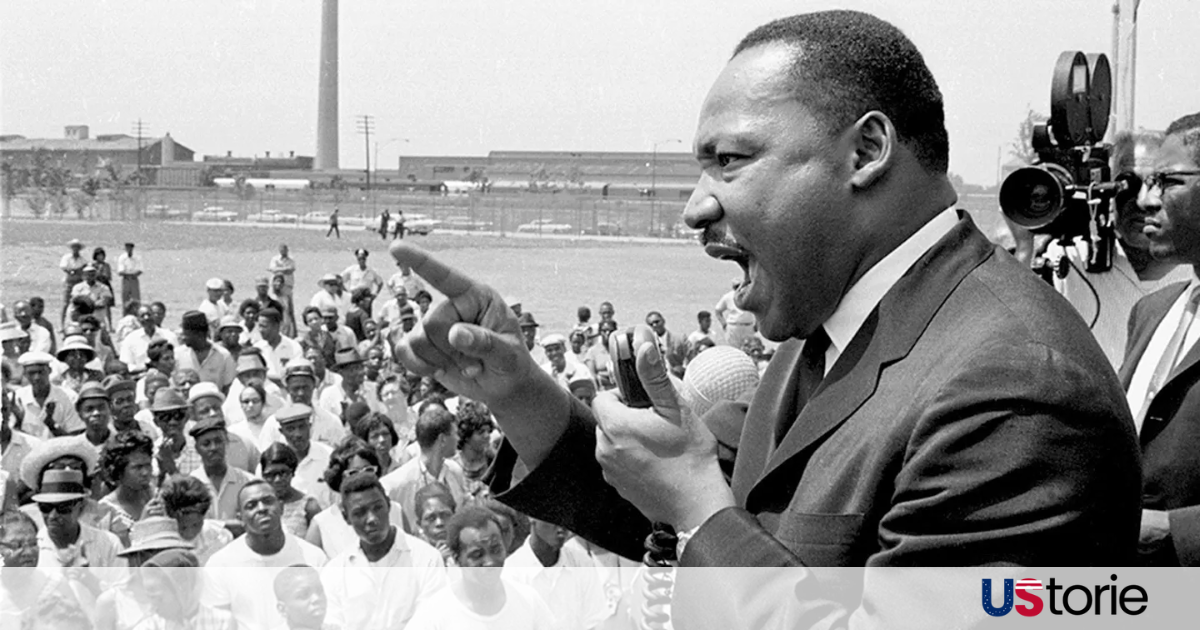
Dr. Martin Luther King Jr. didn’t march for grievance. He marched for opportunity. And if he were to walk the streets of Selma or Chicago today, I suspect he wouldn’t recognize the movement built in his name.
King’s legacy has been polished, packaged, and softened over time. We repeat his lines once a year, celebrate the imagery, and ignore the discipline behind it. His vision wasn’t about permanent anger or inherited outrage. It was about dignity through effort, moral courage, and shared responsibility.
From Selma to Chicago, King fought systems that blocked access to jobs, housing, education, and the ballot. But he never argued that progress could be sustained without personal agency. That distinction has been blurred, sometimes intentionally.
Today, grievance politics dominates much of the conversation surrounding inequality. Pain is real. Injustice still exists. But somewhere along the way, accountability was removed from the equation. Structural barriers became an excuse to abandon self-improvement rather than a reason to demand fair access to it.
King believed opportunity mattered because people mattered. He believed that removing barriers allowed individuals to rise — not that the system should permanently carry them. That idea feels uncomfortable now. It doesn’t trend well. It requires patience, discipline, and responsibility qualities modern politics struggles to sell.
In Chicago, King confronted poverty directly. He walked through neighborhoods marked by neglect and demanded better housing and economic access. But he also spoke openly about the corrosive effects of violence, dependency, and hopelessness. He challenged communities as much as institutions.
If he stood on these same streets today, he would see billions spent, endless programs launched and still, entire neighborhoods trapped in cycles of crime and deprivation. Not because people lack potential, but because we have replaced empowerment with entitlement.
This is where King’s legacy feels most betrayed.
The modern narrative often treats people as fragile, defined solely by what they lack or what was done to them. King rejected that framing. He spoke of resilience, moral strength, and shared obligation. He asked people to rise not wait.
That tension is visible across America, particularly in cities where political rhetoric promises salvation without sacrifice. Coverage of these divisions increasingly fills national discourse, including analysis found on platforms like https://ustorie.com/category/us-news/.
Violence, too, stands in sharp contrast to King’s philosophy. He preached nonviolence not as symbolism, but as strategy. Today, communities suffering most from crime are often told that discussing responsibility is somehow betrayal. King would have rejected that silence outright.
None of this denies history. It honors it.
King knew oppression existed he faced it personally. But he also knew that dignity cannot be outsourced to government programs alone. It must be built, defended, and sustained by individuals and communities working in tandem.
Technology, media, and politics now amplify outrage faster than solutions. Narratives are simplified. Incentives are distorted. The deeper conversations King demanded about work, family, education, and moral discipline rarely survive modern attention spans, a challenge often examined in broader societal analysis on https://ustorie.com/category/technology/.
The most uncomfortable truth may be this: King’s dream required more from people than slogans ever will.
Remembering him honestly means rejecting the convenient version of his message. It means admitting that opportunity without responsibility collapses, and that progress without standards doesn’t last.
His legacy isn’t betrayed by disagreement. It’s betrayed by laziness intellectual and moral.
For readers seeking stories that wrestle with history rather than romanticize it, conversations like this continue on https://ustorie.com/, where legacy is examined, not embalmed.
King didn’t ask America to feel guilty forever. He asked it to do better.
We should listen even when it’s uncomfortable.