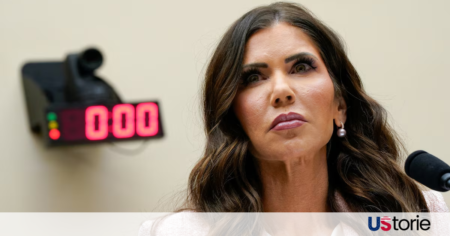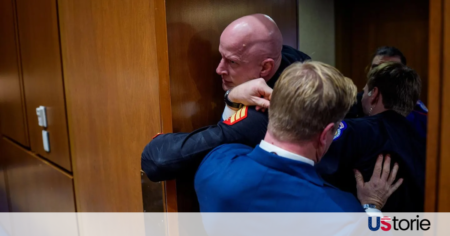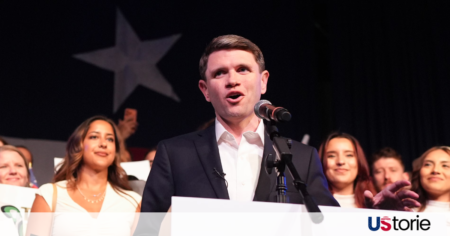

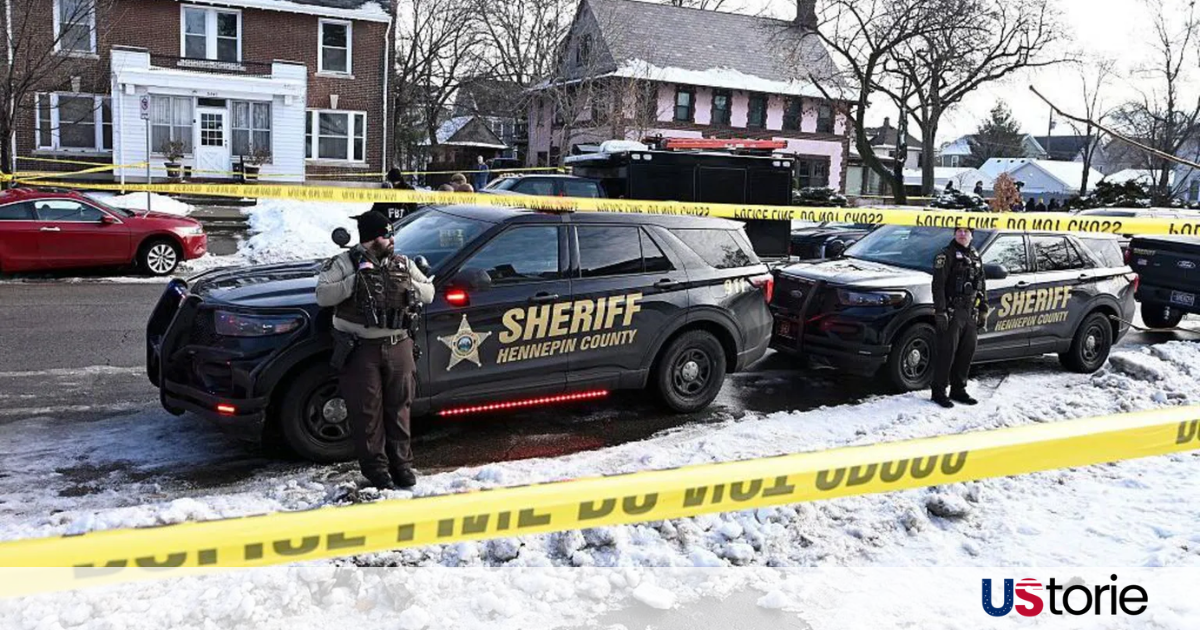
The most powerful detail in the Minneapolis ICE shooting isn’t a statement from Washington or a line from a podium it’s the pause inside the video footage. In the seconds before shots are fired, the scene looks unsettled but not explosive, raising doubts about how quickly conclusions were reached. As Donald Trump stood firmly by the government’s version of events, the videos circulating online began telling a quieter, more uncertain story one that refuses to fit neatly into official talking points.
What DHS Says Happened
According to Department of Homeland Security, ICE officers were conducting an operation in Minneapolis when a woman allegedly tried to use her vehicle to strike them. DHS described the shooting as a necessary response to an immediate threat.
That account quickly became the official narrative, repeated by federal officials and referenced by Trump as proof that immigration enforcement officers are operating under constant danger.
For breaking U.S. developments and federal policy coverage, updates continue at
https://ustorie.com/category/us-news/
What the Videos Show Instead
Video clips from the scene tell a more layered story.
In the footage reviewed so far, the vehicle is visible near officers, but the motion is not as aggressive or clear-cut as official statements suggest. The car appears to move slowly, and at least in some angles, officers are positioned to the side rather than directly in front of the vehicle.
What’s missing from the footage is just as important as what’s shown: there is no clear visual moment where the car accelerates directly toward officers in a way that unmistakably signals an attempt to run them over.
That doesn’t automatically disprove the DHS account but it raises questions about timing, perception, and escalation.
Trump’s Statement Under Scrutiny
Trump’s conclusion about the shooting was firm and immediate. He cited the DHS version while defending ICE officers and criticizing what he described as rising hostility toward law enforcement.
However, when pressed about the emerging video evidence, Trump did not adjust his position. That refusal has drawn criticism from civil rights advocates, who argue that public officials should wait for full context before drawing conclusions especially when lethal force is involved.
Supporters counter that officers must make split-second decisions and that videos rarely capture the fear and chaos of the moment.
ICE Operations Under a Microscope
The incident arrives at a sensitive time for Immigration and Customs Enforcement. Across the country, ICE operations have become flashpoints, drawing protests, legal challenges, and political debate.
In Minneapolis, a city already shaped by past confrontations between police and the public, the shooting has reopened conversations about federal enforcement tactics and transparency.
Technology has changed those conversations. Nearly every major incident now unfolds alongside phone cameras, dash cams, and security footage creating parallel investigations in the court of public opinion.
That broader shift in how authority and accountability collide is explored further here:
https://ustorie.com/category/technology/
Why This Case Feels Different
What makes this shooting stand out isn’t just the violence it’s the gap between official certainty and visual ambiguity.
Federal agencies are trained to control narratives early. Videos, however, don’t respect press releases. They introduce pauses, contradictions, and moments that demand interpretation rather than acceptance.
In this case, the footage doesn’t offer a clean alternative story. Instead, it creates discomfort the kind that forces viewers to ask whether the truth lies somewhere between intention and reaction.
What Happens Next
Investigations are ongoing. DHS has not reversed its position. ICE officers involved remain unnamed. And the woman who was shot remains at the center of a debate larger than herself.
This is no longer just about one incident in Minneapolis. It’s about how quickly conclusions are drawn, how power responds to scrutiny, and how modern evidence reshapes public trust.
For now, the videos remain online, replayed frame by frame, while officials stand by their statements.
And in the space between those two realities, questions continue to grow.
For continued reporting and analysis, visit
https://ustorie.com/