

The United States military has moved forces into position for potential strikes on Iran, though President Donald Trump has not yet made a final decision on whether military action will proceed, according to officials familiar with ongoing discussions.
The development has intensified global attention as diplomatic negotiations continue alongside heightened military readiness in the region. Defense officials say preparationsare designed to provide operational flexibility while political leadership evaluates next steps. The New York Times detailed the evolving situation and ongoing deliberations inside the administration in its full report here:
For continuing national and geopolitical coverage, visit https://ustorie.com/ and follow broader updates across U.S. developments at https://ustorie.com/category/us-news/.
Military Forces Move Into Position
According to multiple officials cited in reporting, U.S. military assets have been repositioned across strategic locations in the Middle East in recent days. These movements reportedly include naval deployments and air power readiness intended to ensure rapid response capability if authorization is granted.
Officials emphasized that positioning forces does not automatically indicate an imminent strike. Military planning frequently includes contingency preparation while diplomatic options remain under consideration.
Pentagon representatives have not publicly disclosed operational details, citing security concerns.
Diplomatic Talks Continue Alongside Preparations
While military readiness has increased, diplomatic discussions between U.S. officials and international partners remain ongoing. Sources familiar with the situation indicate that negotiations are aimed at reducing tensions and preventing escalation.
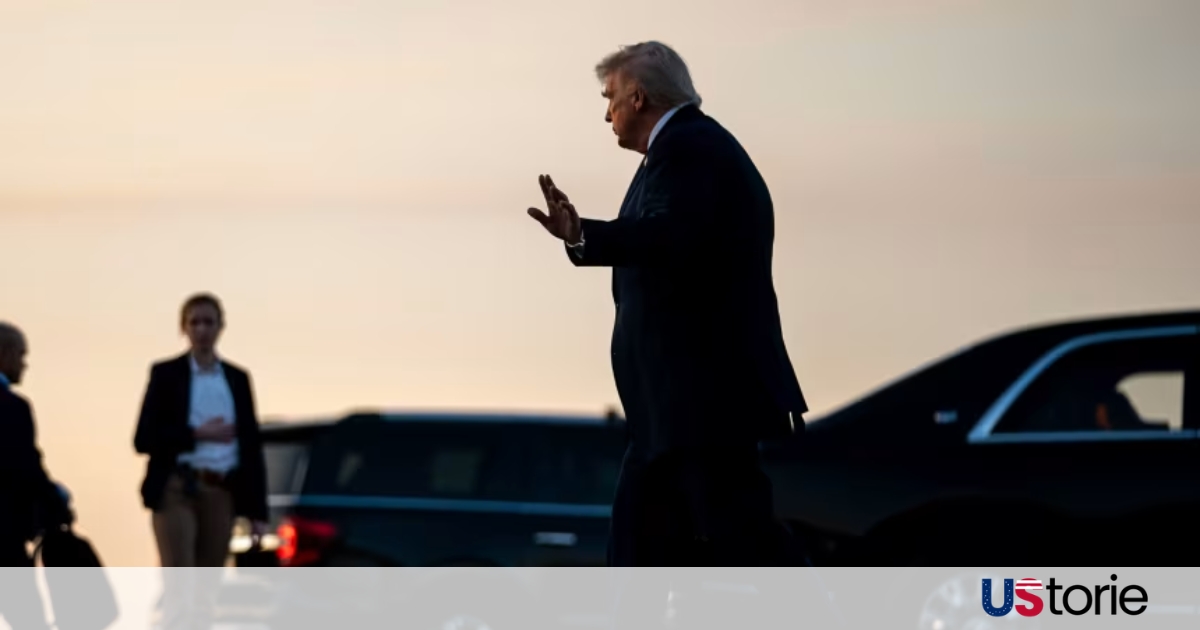
President Trump has publicly avoided confirming whether he intends to authorize strikes, instead signaling that multiple options remain under review.
Administration officials have described the current posture as maintaining leverage during negotiations rather than signaling a definitive shift toward military engagement.
What We Know So Far
Confirmed details at this stage include:
U.S. military forces have been repositioned in the region.
Strike planning options have been prepared.
Diplomatic discussions with international partners are ongoing.
President Trump has not made a final decision.
Officials have declined to comment on potential timelines or specific targets, underscoring the sensitivity of the situation.
Defense analysts note that military readiness often accompanies periods of diplomatic pressure, allowing policymakers to respond quickly if negotiations fail.
Why This Situation Matters
Any potential U.S. strike on Iran carries significant geopolitical implications. The Middle East remains central to global energy markets, international security alliances and ongoing regional conflicts.
Military escalation could affect global oil prices, financial markets and diplomatic relations among major powers. Allies across Europe and Asia are closely monitoring developments as governments assess possible economic and security consequences.
Within the United States, the situation also raises questions about congressional oversight, military authorization and long-term foreign policy strategy.
The uncertainty surrounding the administration’s final decision has contributed to heightened market and political attention.
Regional and Global Reactions
International leaders have urged restraint while supporting continued diplomatic engagement. Several allied governments have called for de-escalation measures to prevent broader conflict.
Iranian officials have not publicly responded to specific U.S. military positioning reports but have previously warned against foreign military action.
Security experts caution that even limited strikes could trigger wider regional responses, making decision-making particularly complex.
What Happens Next
The coming days are expected to be critical as diplomatic talks continue and intelligence assessments evolve. Officials suggest that the administration may delay a final decision while negotiations remain active.
Military forces are expected to remain in a state of readiness until a policy direction is confirmed.
For now, the United States appears positioned between diplomacy and potential military action with the final decision resting solely with the president.
As discussions continue behind closed doors, global attention remains fixed on whether preparation will translate into action or serve as leverage in ongoing negotiations.