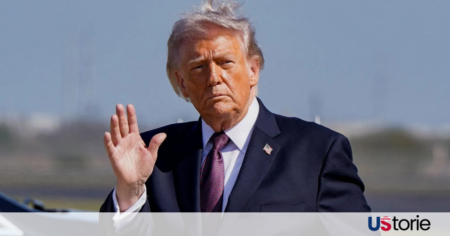


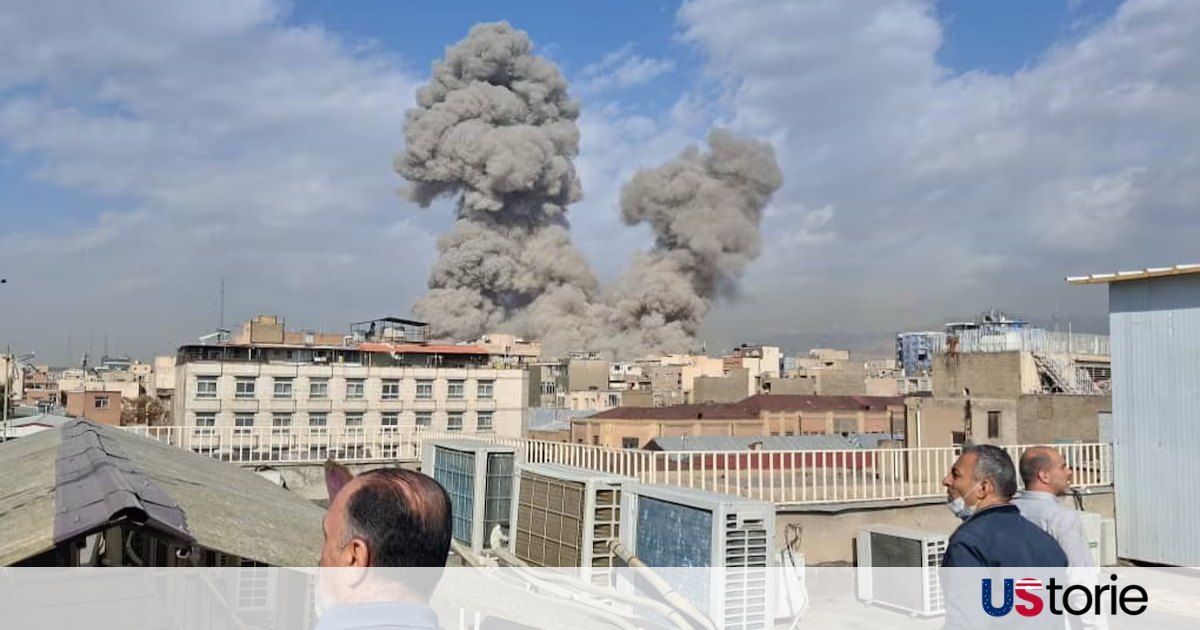
The Middle East has entered a period of unprecedented volatility. In a late-night announcement that has sent shockwaves through global capitals, President Donald Trump confirmed that the United States has commenced “massive and ongoing” military strikes against key installations inside Iran. Simultaneously, the Israel Defense Forces (IDF) have issued a chilling, high-priority warning to all Iranian civilians, urging them to immediately evacuate any areas near military sites, stating bluntly that “your presence in these areas puts your life at risk.”
This coordinated military action represents the most significant escalation in the region in decades. For months, diplomatic backchannels had attempted to de-escalate rising tensions, but the events of February 28, 2026, suggest that the window for diplomacy has officially slammed shut.
“Massive and Ongoing”: The US Perspective
Speaking from the White House, President Trump characterized the strikes as a necessary response to “continued provocations and direct threats” to American interests and regional stability. Unlike the surgical strikes of the past, the current operation appears broad in scope, targeting command centers, drone manufacturing facilities, and ballistic missile silos.
Reports from the ground indicate that the strikes are not limited to a single region, with explosions heard near Tehran, Isfahan, and several coastal provinces. You can follow the live updates on the US-Iran strikes as the situation continues to develop rapidly. This isn’t just a singular event; it is a sustained campaign designed to degrade Iran’s strategic military capabilities.
For those following the global implications of this conflict, UStorie provides continuous, in-depth analysis of how these geopolitical shifts are impacting the 2026 landscape.
The IDF’s Direct Warning to Iranian Civilians
In a rare move, the IDF used digital broadcasts, social media, and emergency frequencies to reach the Iranian public directly. The message was clear: stay away from the Islamic Revolutionary Guard Corps (IRGC) bases and storage facilities. The warning suggests that Israeli intelligence has identified high-value targets that are slated for destruction, and the window for safe evacuation is closing by the minute.
This “urgent warning” has created a sense of panic in several Iranian cities, with reports of traffic gridlock as families attempt to move toward rural areas or regions away from known military infrastructure. This humanitarian aspect of the conflict is a focal point of our latest US News coverage, where we examine the civilian toll of high-tech warfare.
Strategic Consequences and Global Markets
The immediate fallout of the strikes was felt instantly in the global markets. Oil prices spiked by nearly 12% within the first hour of the announcement, and international flight paths have been rerouted to avoid the Persian Gulf entirely. The 2026 global economy, which was already navigating a delicate recovery, now faces the specter of a prolonged energy crisis if the Strait of Hormuz becomes a combat zone.
Strategic analysts suggest that this move by the Trump administration is intended to force a complete reconfiguration of the Iranian government’s regional strategy. However, the risk of a “total war” scenario is at an all-time high. To see how these events are spilling over into international discourse and even affecting global events, check out our Sports and culture section, which tracks the widespread impact of geopolitical crises.
The Road Ahead: Diplomacy or Devastation?
As the “ongoing” nature of the strikes suggests, this is not a one-off retaliatory strike. The United States and its allies seem committed to a sustained dismantling of specific assets. The question now remains: how will Tehran respond? Pro-government rallies are already being reported in the streets of the capital, while the international community waits with bated breath for any sign of a counter-offensive.
The world is watching as the skies over Iran remain lit by the fires of modern warfare. This moment marks a definitive shift in the 2026 political calendar—one that will likely dominate the headlines and the halls of the United Nations for months to come.
As the situation evolves, the priority remains the safety of civilians in the crossfire. With the IDF’s evacuation order still in effect, the coming hours will determine whether this conflict remains a targeted military operation or descends into a humanitarian catastrophe of historic proportions.