

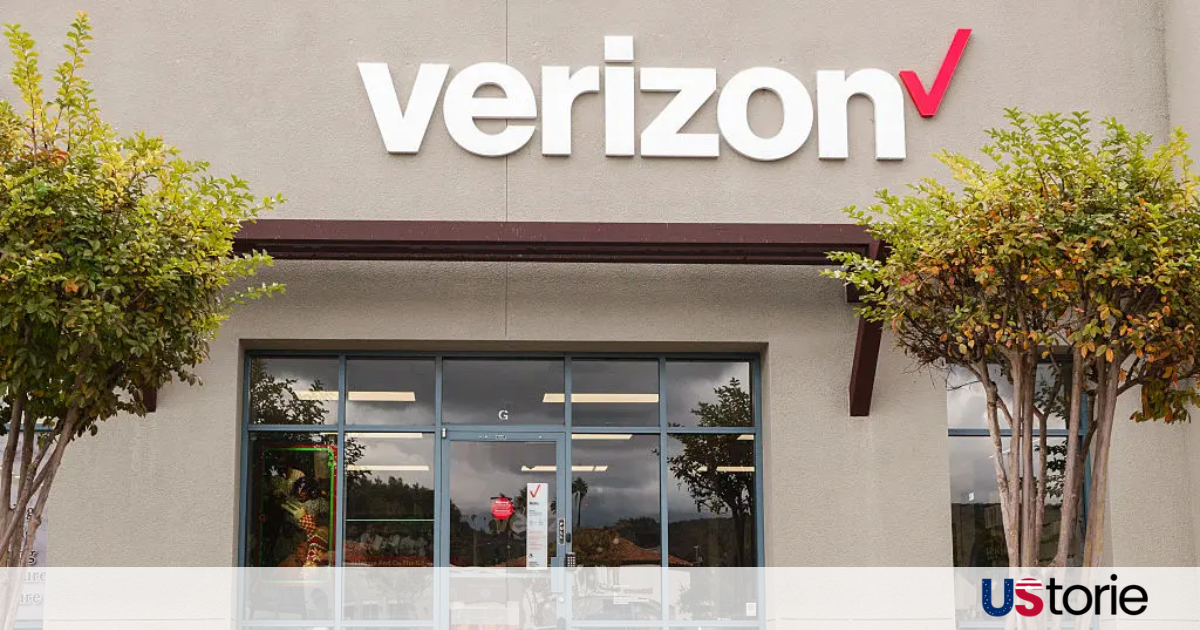
The moment your phone shows full bars but nothing loads, a quiet panic sets in. That’s exactly how Tuesday morning began for thousands of Americans who reached for their devices—only to find calls failing, texts stuck, and data going nowhere. In Alabama, some people joked about “going back to 2005,” while others worried about missing work alerts or family check-ins. By mid-morning, it was clear this wasn’t an isolated glitch—it was a nationwide disruption tied to Verizon.
Across the United States, customers reported sudden service loss affecting mobile calls, SMS, and data. Outage trackers lit up with complaints from multiple regions, and Alabama quickly emerged as one of the harder-hit states. In Birmingham, Montgomery, and surrounding areas, users described phones switching to “SOS” mode or dropping to zero connectivity without warning. For many, the outage interrupted daily routines—ride-hail pickups stalled, two-factor logins failed, and remote workers scrambled for Wi-Fi backups.
What made this disruption feel heavier was its timing. With so many people relying on mobile networks not just for convenience but for safety and income, even a short outage can ripple outward. One Alabama small-business owner shared how card payments slowed to a crawl when mobile hotspots failed. A college student said she missed an online quiz because her phone was her only internet access. These aren’t edge cases anymore; they’re everyday realities when networks go dark.
Verizon acknowledged the issue and said engineers were working to restore service. While the company didn’t immediately detail the root cause, updates suggested a network-side problem rather than device-specific failures. As service gradually returned in some regions, others continued to report spotty connections well into the afternoon. That uneven recovery fueled frustration—why was one city back online while the next county over still couldn’t make a call?
The episode also reignited a familiar debate: how resilient are our mobile networks, really? Telecom providers invest billions in infrastructure, yet single-point failures can still cascade across states. Customers often accept brief hiccups, but when outages stretch on without clear explanations, trust erodes. Transparency matters—people want to know what happened, how it’s being fixed, and what’s changing to prevent a repeat.
For readers following U.S. developments and consumer-impact stories, you can find ongoing coverage and context at https://ustorie.com/, with related reporting in the U.S. News section at https://ustorie.com/category/us-news/. Broader conversations about network reliability, infrastructure upgrades, and the tech behind mobile service live alongside at https://ustorie.com/category/technology/.
In Alabama specifically, the outage highlighted how uneven access can amplify disruption. Urban users sometimes found Wi-Fi alternatives, while rural customers—already coping with limited broadband options—had fewer fallbacks. Emergency preparedness experts often warn that redundancy is key, yet many households still depend on a single carrier for all communication.
By evening, most users reported service restoration, though questions lingered. Will there be credits or explanations? What safeguards are in place for emergency calls when networks stumble? And perhaps most importantly, what does “reliable” mean in an era when our phones are wallets, keys, offices, and lifelines?
For now, the outage serves as a reminder: connectivity isn’t guaranteed, even with major carriers. Keeping backup options—Wi-Fi calling enabled, a secondary contact method, or offline access to critical info—can soften the blow when the bars disappear again.