
There are political statements that spark anger. Some spark debate. And then there are a few that simply make people stop and say, Wait… what?
This week, Donald Trump managed to land squarely in that last category.
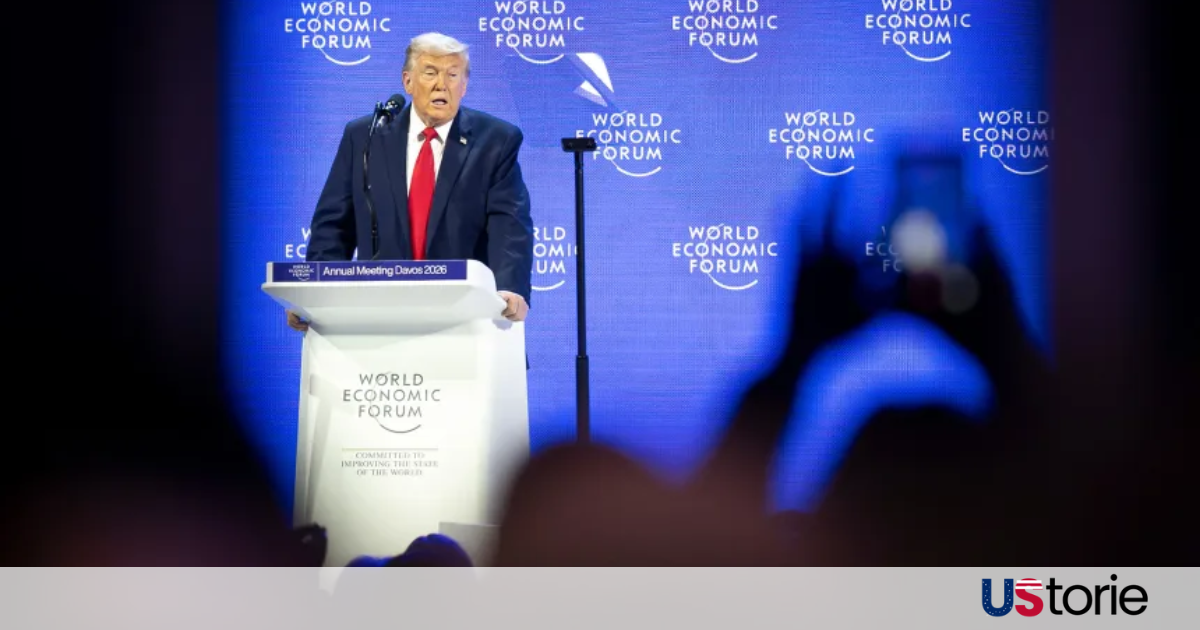
When Donald Trump suggested that rare earth minerals are somehow part of his Greenland “deal,” the initial reaction wasn’t outrage. It was confusion. Followed by disbelief. And then, slowly, a collective realization that the comment wasn’t a joke. Critics didn’t take long to label the idea what it sounded like to them: completely bonkers.
The more you think about it, the stranger it gets.
How Greenland entered the conversation again
Greenland has a habit of disappearing from headlines and then suddenly reappearing in the most unexpected ways. Years ago, Trump floated the idea of acquiring Greenland, a suggestion that was widely dismissed as unserious. At the time, most people assumed the topic was closed.
Apparently, it wasn’t.
This time, the conversation comes wrapped in the language of strategic resources rare earth minerals, supply chains, and global competition. On the surface, that might sound more sophisticated. But scratch a little deeper, and the logic starts to wobble.
Rare earths are real. They matter. They power smartphones, electric vehicles, military systems, and renewable energy projects. Countries around the world are scrambling to secure stable access. But tying all of that to a vague “deal” involving Greenland skips over almost every political, legal, and environmental reality involved.
That’s where critics start shaking their heads.
Why experts aren’t buying it
Greenland isn’t an empty map waiting for negotiation. It has its own government, its own priorities, and a complex relationship with Denmark. Any discussion involving its land or resources would involve years of consultation, regulation, and international diplomacy.
And that’s before you even get to mining.
Rare earth extraction is slow, expensive, and environmentally controversial. Projects take years just to get approved. Many never make it past the planning stage. The idea that this could be wrapped into a neat political agreement sounds less like policy and more like campaign rhetoric.
This is why analysts aren’t just disagreeing they’re dismissing the premise entirely.
Coverage that looks beyond soundbites and focuses on global reaction has been unpacked in U.S. political reporting at places like
https://ustorie.com/category/us-news/
where context tends to matter more than shock value.
Europe complicates everything
There’s another layer here that makes the situation even messier: Europe.
Greenland’s ties to Denmark mean that any talk about deals or resources doesn’t stay confined to Washington. It spills straight into European diplomacy. And that’s happening at a moment when trade relationships are already fragile.
Trump’s recent comments landed just as Europe and the U.S. are navigating tariff pauses, negotiations, and uneasy cooperation. Even when tensions cool on paper, trust doesn’t automatically follow.
For readers looking for detailed reporting and background, the issue has also been examined closely elsewhere for the original report, click here:
https://edition.cnn.com/2026/01/22/business/greenland-rare-earth-minerals-trump
Seen through that lens, the Greenland remarks feel less isolated and more disruptive.
Big resources, small patience for oversimplification
No one is arguing that rare earths aren’t important. Governments everywhere are trying to reduce dependence on limited suppliers. But real strategies involve partnerships, investment, and regulation not off-the-cuff deal talk.
That gap between complexity and presentation is what frustrates policy experts. Strategic resources aren’t traded like property. They’re governed by laws, communities, and environmental realities that don’t bend easily to political messaging.
The public reaction reflects that frustration.
For readers who follow how political figures shape narratives sometimes intentionally, sometimes recklessly this crossover between politics and media spectacle often shows up in broader storytelling at
https://ustorie.com/category/entertainment/
where perception and personality play as big a role as policy.
Why comments like this still matter
Even if nothing comes of the idea, it doesn’t vanish harmlessly. Statements from high-profile figures move markets, unsettle allies, and muddy public understanding. Investors pay attention. Governments pay attention. Voters do too.
That’s why separating serious policy discussion from rhetorical noise matters. Not every claim deserves equal weight, but every claim from a powerful voice creates ripples.
Platforms like https://ustorie.com/ exist for exactly that reason to slow the conversation down and ask what’s real, what’s plausible, and what’s just talk.
Final thought
Calling the Greenland idea “completely bonkers” may sound blunt, but bluntness is sometimes the clearest response. Diplomacy doesn’t work on bravado. Resource strategy doesn’t work on slogans. And geography doesn’t bend to ambition.
Greenland isn’t for sale. Rare earths aren’t shortcuts. And politics, no matter how loud, doesn’t change that.
What this episode really reveals isn’t a plan it’s a mindset. And that, more than any imaginary deal, is why people are still talking about it.