

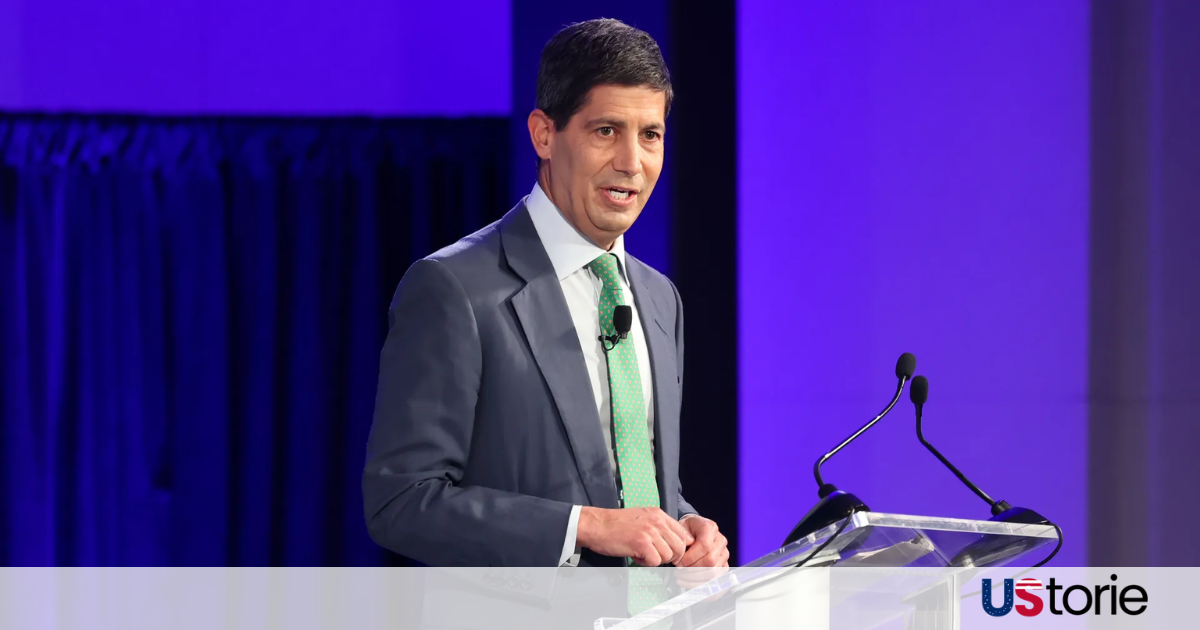
Sometimes, decisions in Washington feel abstract,numbers on a page or headlines on a screen. But when it comes to the Federal Reserve, every move ripples through Main Street. This week, former Fed governor Kevin Warsh has emerged as President Donald Trump’s expected pick to lead the central bank a choice that has traders, policymakers, and economists talking. (for original report click here)
Trump’s anticipated nomination could signal a shift toward lower interest rates and a more aggressive growth-focused agenda. While markets react, the nomination also highlights the tension between presidential influence and central bank independence a balancing act that Warsh will have to navigate carefully. For context on how these appointments shape national policy, readers can explore https://ustorie.com/category/us-news/.
A Familiar Face Returns
Kevin Warsh isn’t new to the Federal Reserve. Serving as a governor from 2006 to 2011, he was among the youngest in the Fed’s history, guiding policy during the global financial crisis. His time in Washington gave him a reputation as a disciplined economist with an understanding of both Wall Street and public accountability. Now, he returns under Trump’s spotlight with the potential to influence interest rates, inflation, and economic strategy at a critical moment.
Warsh’s prior experience is crucial. During the financial crisis, he advocated for balanced interventions, understanding both the risks of inflation and the dangers of stalling growth. That background may reassure skeptics who worry about political influence over the Fed. For deeper insights on the intersection of policy and economics, see https://ustorie.com/category/technology/.
Impact on Markets and Americans
A Fed chair’s decisions aren’t just theoretical; they shape mortgages, loans, and savings. Warsh’s nomination has already prompted market speculation, with investors weighing how his approach might differ from Jerome Powell’s more cautious policies. If confirmed, his guidance could affect borrowing costs, business investment, and the overall trajectory of the U.S. economy.
Beyond the numbers, Warsh’s appointment will test the Fed’s independence. Critics worry that political alignment with the president could blur long-standing boundaries between government and monetary policy a debate increasingly discussed in public and academic forums, including detailed analyses on https://ustorie.com/.
Interest rate decisions touch everyday Americans. Mortgage rates, car loans, and credit card interest all pivot on Fed policies. A Warsh-led Fed may adopt a more expansionary stance, which could be positive for borrowers but potentially riskier for inflation control. This delicate balance makes his nomination one of the most closely watched financial stories of the year.
Trump’s Perspective
Trump has openly criticized Powell for not lowering rates quickly enough and has hinted for months at preferring a more “growth-oriented” chair. Warsh, with his history in the Fed and public commentary favoring rate flexibility, seems to align with Trump’s priorities. This nomination, therefore, is as much about policy philosophy as it is about the individual.
Observers also note that Warsh brings credibility. Having already navigated complex economic crises, he understands the institutional demands of the Fed while being able to communicate with markets and the public an essential skill for a chair in today’s fast-moving economic climate.
Moreover, Warsh’s nomination may serve as a signal to global markets. Investors, central banks, and trading partners will watch for signs that U.S. monetary policy may tilt toward growth stimulation. Even subtle comments from Warsh could trigger reactions in currencies, bonds, and equities, highlighting the Fed chair’s global influence.
The Road to Confirmation
The next step is Senate confirmation. Historically, nominees with perceived political leanings face scrutiny, and Warsh’s nomination will be no exception. Senators will evaluate his experience, approach to independence, and ability to maintain the Fed’s credibility. The outcome will shape monetary policy for years to come, affecting inflation, jobs, and American households’ financial wellbeing.
For readers wanting continuous updates on financial leadership and national economic stories, see https://ustorie.com/.
A Broader Perspective
This nomination isn’t just about Kevin Warsh or Donald Trump; it’s about how the Federal Reserve remains a key institution in maintaining economic stability. Leadership at the Fed matters not only for Wall Street but also for families planning budgets, businesses considering expansions, and communities watching employment trends. Decisions at this level cascade through every facet of the economy.
Additionally, Warsh’s expected nomination highlights the challenge of balancing political alignment with institutional independence. History shows that the Fed’s credibility is critical to controlling inflation expectations, stabilizing markets, and fostering long-term growth. If Warsh can navigate that balance, it may define his tenure more than any single policy move.
Final Thoughts
Kevin Warsh’s expected nomination is more than a headline. It’s a move with real-world consequences, highlighting the delicate balance between politics and economics. Americans, markets, and global observers will all watch closely as the process unfolds.
Even casual citizens feel the effects: interest rates affect mortgages, loans, and savings, while economic confidence can shift depending on the Fed’s perceived direction. With Warsh stepping back into the Fed spotlight, it’s a reminder that leadership decisions ripple far beyond Washington’s halls.
For comprehensive analysis of major national and economic developments, visit https://ustorie.com/.