
It wasn’t shouted. It wasn’t wrapped in drama. The comment landed almost casually and that’s what made it unsettling. When Donald Trump referenced a law most Americans only encounter in history books, the reaction wasn’t outrage at first. It was confusion. Then concern. Because once certain words enter public conversation, they don’t leave quietly.
Former President Donald Trump said he could consider invoking the Insurrection Act in response to anti-ICE protests in Minnesota if local authorities failed to contain unrest. The act grants a president the authority to deploy federal forces within the United States. It is legal, rarely used, and deeply divisive whenever it’s mentioned let alone threatened.
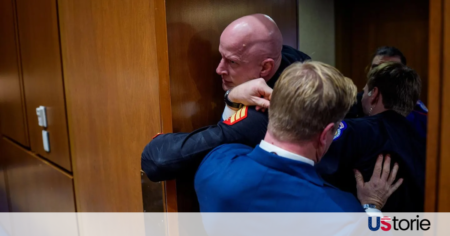
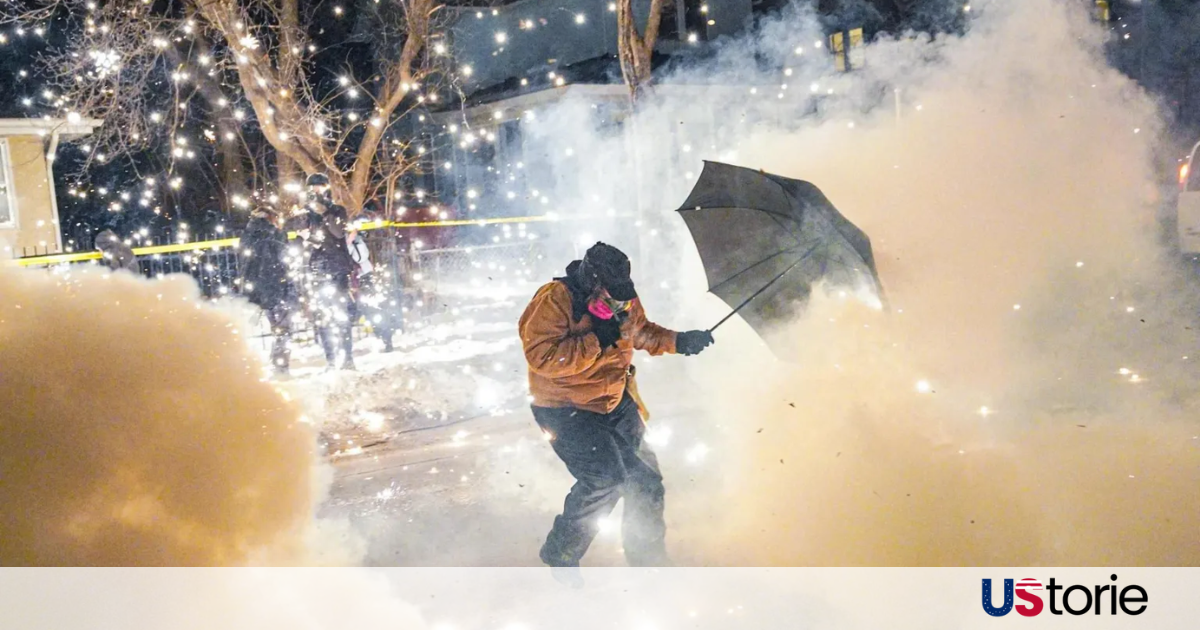
The protests emerged in response to immigration enforcement actions carried out by U.S. Immigration and Customs Enforcement, commonly known as ICE. Demonstrators argue that recent operations have intensified fear in immigrant communities, disrupted families, and pushed people into hiding. Protest leaders say the goal is visibility and pressure, not violence. Still, confrontations and scattered incidents have fueled demands for a tougher response.
Trump’s statement immediately split public reaction. Supporters viewed it as a necessary show of authority, arguing that prolonged disruption requires decisive action. To them, the threat signaled order. Critics heard something else entirely a warning that dissent could be reframed as rebellion. They argue that even invoking the Insurrection Act rhetorically escalates tensions and risks turning civic protest into a federal security issue.
National context matters here. Coverage that looks beyond breaking headlines and examines how federal power intersects with public unrest can be found at https://ustorie.com/, where political developments are often framed through impact rather than ideology.
Minnesota officials were quick to assert that state and local agencies were managing the situation. Governors historically resist federal troop involvement for more than symbolic reasons. Military forces are trained for combat environments, not civilian crowd control. Their presence can shift a protest’s tone instantly—from confrontational to combustible.
The Insurrection Act carries a complicated legacy. It has been used in moments of true national crisis, including enforcing civil rights during open defiance of federal law. But critics argue that lowering the threshold for its use risks normalizing military responses to civilian dissent. Once that line moves, legal scholars warn, it becomes easier to cross again.
On the ground, Minnesotans themselves remain divided. Some residents say protests have disrupted work, blocked transportation, and hurt small businesses already struggling. Others insist that disruption is inherent to protest—that meaningful change rarely comes from polite inconvenience. These competing views reflect broader national debates often explored in https://ustorie.com/category/us-news/.
Technology has accelerated everything. Livestreams, short clips, and rapid commentary shape perception long before official statements do. A single image accurate or misleading can define the narrative within minutes. Analysts note that once words like “insurrection” circulate online, nuance tends to disappear. That dynamic is increasingly examined within https://ustorie.com/category/technology/, especially as digital platforms reshape political discourse.
Perhaps the most consequential shift is conversational. What began as protests against immigration enforcement has now turned into a debate over presidential authority. That reframing changes the stakes. It pulls attention away from policy grievances and toward the limits of federal power.
Whether the Insurrection Act is ultimately invoked may matter less than the fact that it was placed on the table at all. Its mention hardens positions, raises anxiety, and forces a reckoning with how quickly extraordinary powers can enter ordinary debates.
This moment isn’t only about Minnesota. It’s about how a democracy responds when dissent grows loud and how easily the tools meant for last resorts can become part of everyday political language.