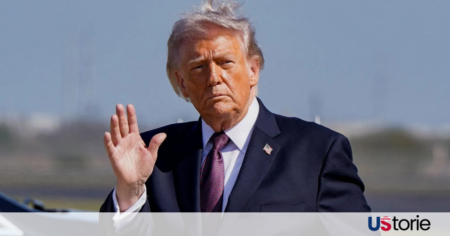


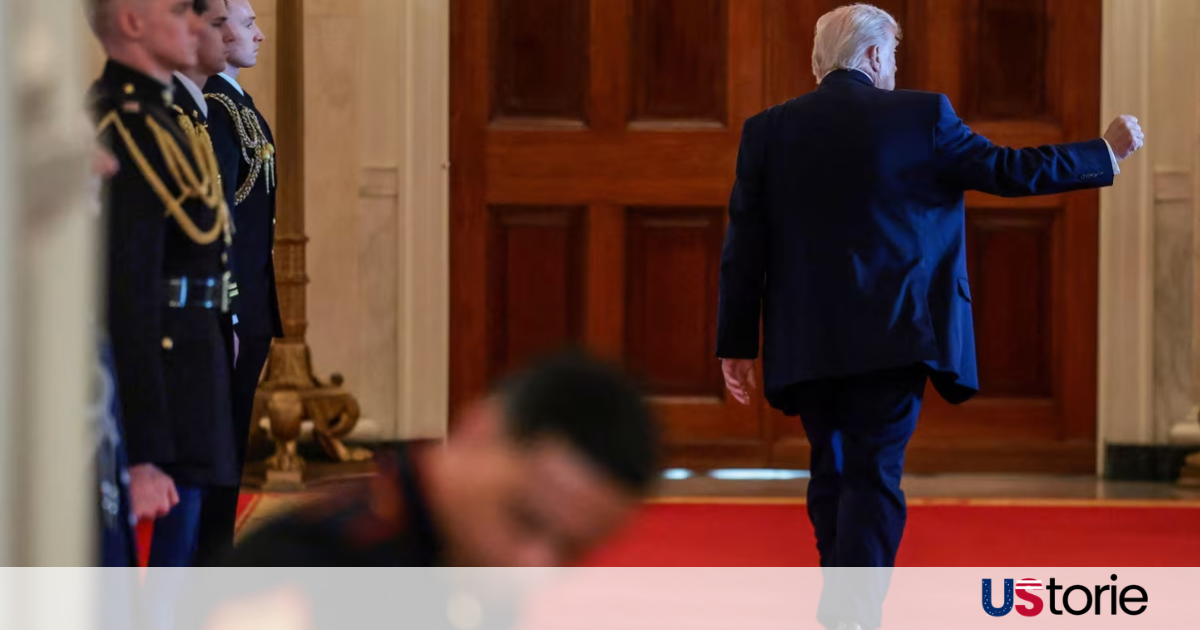
As the lights dim in the House Chamber this week, the atmosphere surrounding the 47th President’s State of the Union address feels markedly different from the bravado of yesteryear. In early 2026, Donald Trump finds himself at a critical juncture, facing a public that is increasingly cautious and a legislative landscape fraught with complexity. This isn’t just a speech; it is a calculated attempt to recapture a narrative that has begun to drift.
The lead-up to this moment has been defined by a “skeptical public,” according to recent polling. While the administration points to specific economic indicators as a sign of success, the average American household is still wrestling with the tail-end of inflationary pressures and a housing market that remains stubbornly tight. For many, the “Golden Age” promised on the campaign trail hasn’t yet reached their kitchen tables, leading to a palpable sense of fatigue.
Preparation for this address has been intensive. Sources close to the administration suggest that the President has been working with a tighter circle of policy advisors to refine a message that balances his signature populism with the gravitas required of a second-term incumbent. You can see the depth of these SOTU address preparations as the White House attempts to bridge the gap between executive ambition and public approval.
A Policy Minefield
The challenges are not merely optical; they are structural. The 2026 agenda is packed with contentious issues, from the expiration of key tax provisions to the ongoing debates over border technology and international trade tariffs. Unlike the early days of 2025, the Congressional math has become more difficult. Moderate factions within the party are beginning to look toward the midterms, making them less likely to rubber-stamp the more polarizing elements of the Trump platform.
For those following the heartbeat of the nation, staying updated on these shifts is essential. You can find comprehensive coverage of these evolving stories at UStorie, where the nuances of the American political landscape are analyzed daily.
One of the primary hurdles for the President this week will be the “unity” factor. Traditionally, the State of the Union is a moment for a president to present themselves as a leader for all Americans. However, Trump’s rhetoric often thrives on distinction rather than cohesion. The challenge in 2026 is whether he can pivot to a “Statesman” persona long enough to win over the Independent voters who feel alienated by the constant cycle of West Wing turnover and legal skirmishes.
The Economic Narrative
The White House plans to lean heavily into domestic manufacturing wins. Expect the President to highlight new factory openings and a “Made in America” resurgence. Yet, the skepticism remains rooted in the cost of living. While the stock market may be performing, the “vibecessity”—the feeling that the economy is worse than the data suggests—is a ghost that Trump must exorcise during his televised hour.
As we look closer at how these policies affect different regions, it becomes clear that the “two Americas” divide is as wide as ever. Detailed breakdowns of how these national policies hit local communities can be found in our latest US News updates, providing a clearer picture of the stakes involved for the everyday citizen.
The Road Ahead
Tuesday night is more than a constitutional requirement; it is a branding exercise for a presidency that is beginning to feel the weight of its own promises. The public isn’t just looking for a list of achievements; they are looking for a roadmap that includes them.
Will the President acknowledge the skepticism, or will he double down on the claim that everything is going according to plan? In the 2026 political climate, the latter might no longer be enough. The American public has become more sophisticated in how they consume political theater, and they are demanding more than just a show they want a strategy.
As the podium is polished and the guests are invited, one thing is certain: the 2026 State of the Union will be the most scrutinized moment of this presidency so far. Trump isn’t just fighting his political opponents this time; he’s fighting a clock that is ticking toward the 2026 midterms and a public that is waiting to see if the reality matches the rhetoric.