
Some playoff games aren’t remembered for flashy touchdowns or highlight-reel throws. They’re remembered for bruises, third-down stops, and the slow realization that one team simply isn’t going anywhere. This was one of those nights the kind where defense didn’t just support the win, it was the win.
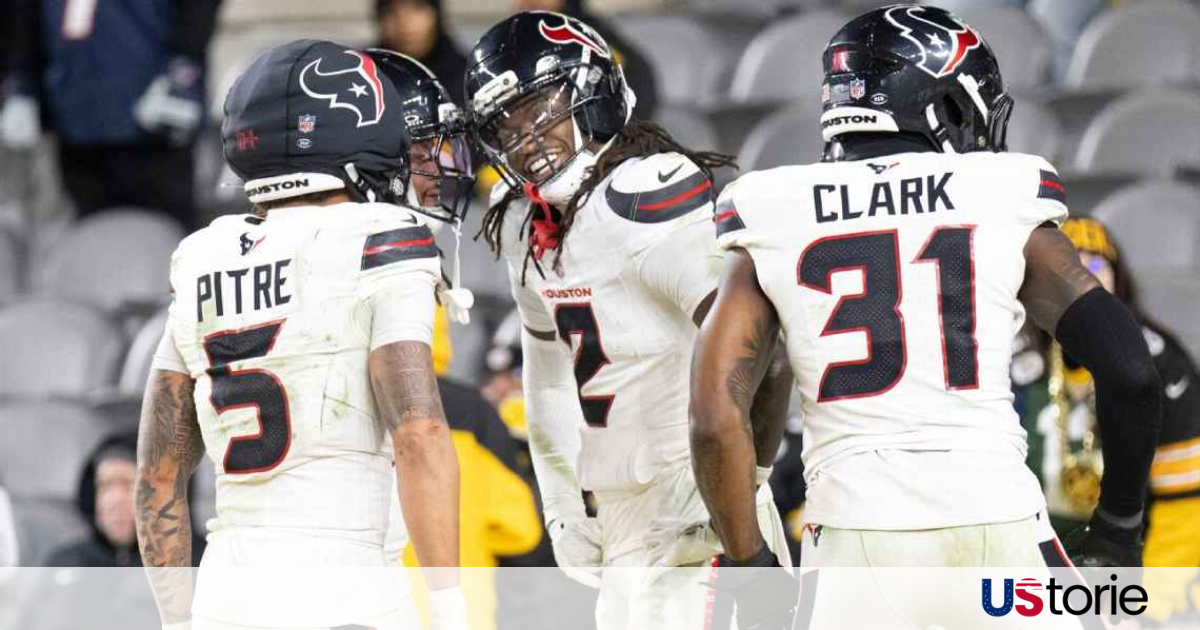
Playoff football often strips the game down to its rawest elements, and that’s exactly what happened as the Houston Texans leaned on their defense to outlast the Pittsburgh Steelers and punch a ticket to the divisional round.
From the opening drive, the tone was unmistakable. The Texans’ defense flew to the ball, hit with purpose, and refused to give Pittsburgh any breathing room. Early third-down pressure forced quick throws and stalled drives, setting the rhythm for the entire game.
Pittsburgh tried to establish balance, but nothing came easy. Runs were met at the line. Short passes were wrapped up instantly. Every yard felt earned and rare. By the end of the first quarter, it was clear the Steelers were in for a long night.
Houston’s offense did its part, but this game belonged to the defense. A key sack late in the first half flipped field position and shifted momentum, drawing a roar from the crowd and visible frustration on the Steelers’ sideline. Those moments don’t always show up in box scores, but they decide playoff games.
Fans following the postseason closely, especially those tracking momentum swings and playoff trends through coverage like https://ustorie.com/, recognized the familiar pattern: when defense controls pace, the game tilts quietly but decisively.
The second half brought urgency from Pittsburgh. Adjustments were made. Tempo increased. But Houston’s defense adjusted faster. Linebackers closed gaps, defensive backs jumped routes, and the pass rush stayed relentless without overcommitting.
One sequence midway through the third quarter summed up the night. Facing a crucial third down, the Steelers looked poised to spark a drive. Instead, pressure collapsed the pocket, forcing a rushed throw that fell incomplete. What could have been a turning point became another missed opportunity.
As the clock ticked down, the Texans grew more confident. Tackles came quicker. Communication tightened. The defense wasn’t just reacting — it was anticipating. That kind of cohesion usually comes from weeks of preparation and trust.
Moments like these often dominate postseason discussion, not just among fans but across broader sports analysis. Similar defensive masterclasses have been dissected across US sports coverage such as https://ustorie.com/category/us-news/, where playoff success is frequently tied to discipline rather than spectacle.
By the fourth quarter, the Steelers were chasing the game, and that played directly into Houston’s hands. The Texans mixed coverages, disguised blitzes, and forced Pittsburgh into uncomfortable decisions. Each stop drained more time and belief.
When the final whistle blew, the scoreboard confirmed what the eye test already knew. This wasn’t about offensive fireworks. It was about control, toughness, and execution. Houston earned this win the hard way.
Beyond advancing to the divisional round, the victory sends a message. The Texans aren’t just happy to be here they’re built for playoff football. Defense travels, especially in January, and Houston has shown it can dictate games when it matters most.
As the NFL continues to evolve with analytics, speed, and technology influencing preparation and strategy, performances like this remind fans why defense still wins championships a theme increasingly explored in sports technology and performance analysis at https://ustorie.com/category/technology/.
The Texans now move forward with momentum, confidence, and a defense that looks ready for whatever comes next. In the playoffs, that combination is dangerous.