
Some news stops you for a moment, even if you never met the person. This is one of those stories.
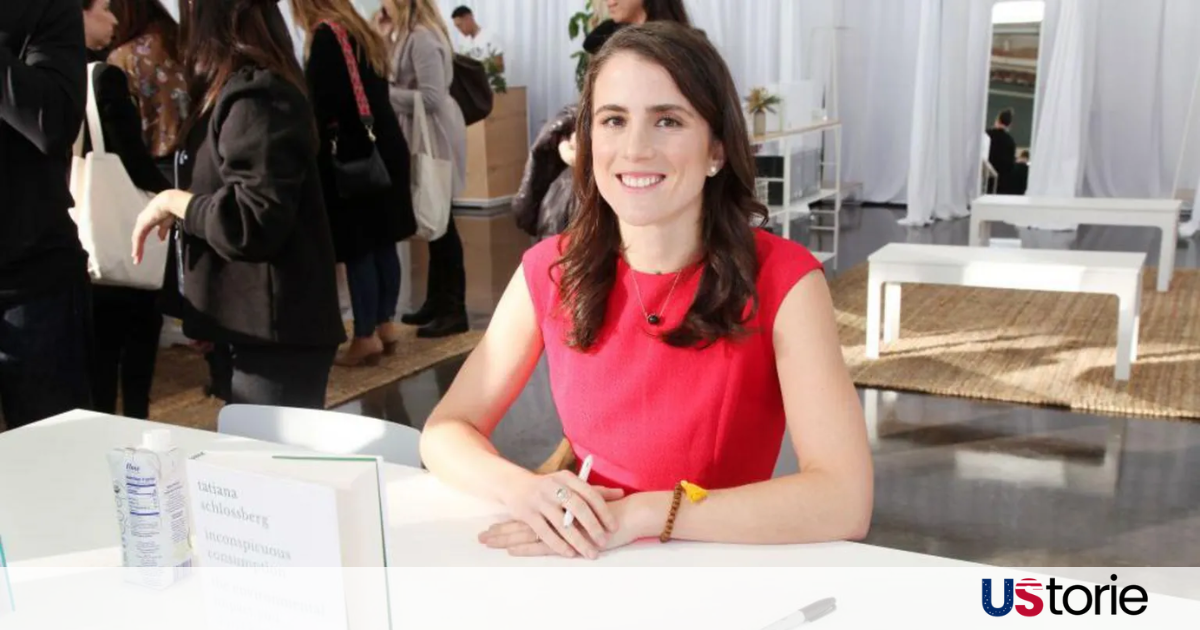
Tatiana Schlossberg an environmental journalist, a mother, and the granddaughter of President John F. Kennedy has died at the age of 35 after battling terminal cancer. The news feels especially heavy not because of fame alone, but because of how young she was, and how quietly meaningful her work had been.
She wasn’t a celebrity in the usual sense. She didn’t chase headlines or public attention. Instead, she chose something harder and often less glamorous: explaining the slow, complex crisis of climate change to everyday readers.
A Life Largely Lived Away From the Spotlight
Being connected to the Kennedy family almost guarantees public curiosity. But Tatiana Schlossberg spent most of her adult life doing the opposite of what many might expect from someone with her last name.
She worked as an environmental reporter, including writing for major outlets like The New York Times, focusing on climate science, pollution, and how environmental policies affect real people. Her writing wasn’t dramatic or alarmist. It was careful, grounded, and often quietly urgent.
Friends and colleagues have described her as thoughtful and deeply committed to accuracy — the kind of journalist who asked uncomfortable questions but never for attention.
The Weight of a Famous Name — and a Different Choice
As the granddaughter of President John F. Kennedy and Jacqueline Kennedy Onassis, Tatiana was born into one of America’s most famous families. That legacy could have opened many doors. Instead, she chose a path built on reporting, research, and public understanding.
That choice says something important.
Environmental journalism isn’t easy. It rarely delivers quick wins or viral moments. It demands patience, scientific literacy, and the willingness to explain the same dangers again and again, knowing change may come slowly or not at all.
Tatiana seemed to understand that deeply.
A Battle Kept Largely Private
Her cancer diagnosis was not widely publicized while she was alive. That privacy feels intentional. There was no public campaign, no spotlight on illness, no attempt to turn personal pain into public narrative.
In an era when suffering is often shared online in real time, her quietness stands out. It feels human. It feels deliberate.
She continued to be remembered primarily for her work, not her illness.
The Human Cost Behind the Headline
What makes this loss especially difficult to process is the reminder of time how fragile it is. At 35, many people are just beginning to feel settled in their careers, families, and sense of purpose.
Tatiana leaves behind a husband and young children. That reality brings the story out of the abstract and into something painfully real. This isn’t just the passing of a journalist or a Kennedy descendant. It’s the loss of a daughter, a partner, a parent.
And those are losses that echo quietly, far beyond headlines.
A Legacy Measured in Clarity, Not Fame
If there is a legacy to point to, it’s not one of power or politics. It’s clarity.
Tatiana Schlossberg helped readers understand environmental issues without shouting, without simplifying them into slogans. She trusted people to care — if they were given the facts honestly.
In today’s media environment, that approach feels increasingly rare.
Final Reflection
Some lives are loud. Others are steady, thoughtful, and deeply meaningful in quieter ways.
Tatiana Schlossberg’s life seems to fall into the second category. Her death at 35 feels unfair in the way that only early losses do sudden, unresolved, and heavy.
Yet her work remains. Her words remain. And for those who read her reporting, so does the sense that careful journalism still matters.
Sometimes, that’s enough to be remembered by.