

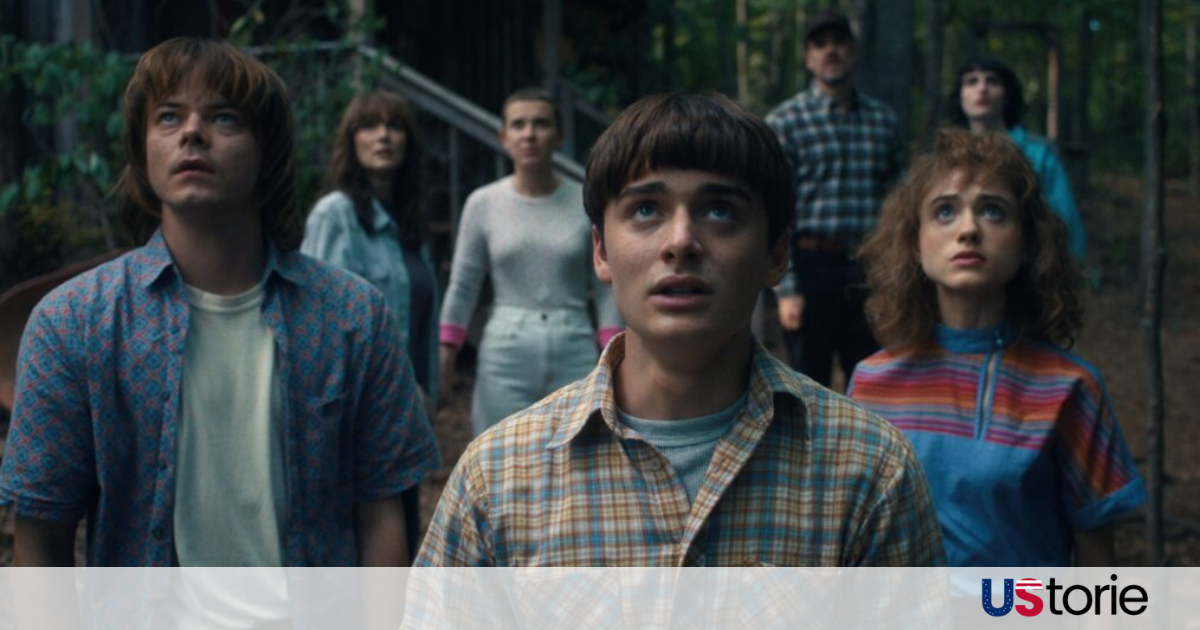
For many viewers, the final moments of Stranger Things didn’t feel like an ending at all. There was no sense of closure just a strange pause, the kind that makes you sit quietly for a second and wonder if something was missing. Almost immediately, fans began dissecting every frame, dialogue beat, and visual cue, convinced that what Netflix presented as a finale might actually be a carefully staged fake-out. At the center of that theory is something fans are now calling the “Conformity Gate.”
The Ending That Didn’t Sit Right
If you’ve followed Stranger Things from the beginning, you know it thrives on loose threads. Things are hinted at, not resolved. Danger usually hides behind quiet moments. The Upside Down never fully closes it waits.
That’s why so many viewers paused after the final scene and asked the same question:
“Is that really it?”
Some fans noticed how certain character arcs wrapped up almost too neatly. Long-running tensions dissolved quickly. Emotional beats landed — but without the lingering unease the show usually leaves behind.
For a series known for ambiguity, this felt suspicious.
So… What Is the “Conformity Gate”?
The term isn’t from the show. It came from the fans.
The theory suggests that what viewers saw wasn’t a literal ending, but a kind of narrative illusion a constructed sense of closure designed to calm characters (and viewers) into acceptance. In other words, conformity.
According to the theory, the Conformity Gate isn’t a physical portal like earlier gates. It’s psychological. A state where characters believe things are over, even though the larger threat still exists.
And honestly? That idea feels very Stranger Things.
Fans Point to the Details (Always the Details)
The evidence fans cite isn’t dramatic. It’s subtle which is why it’s convincing.
A lingering camera shot that doesn’t resolve.
Dialogue that sounds final but avoids specifics.
Music choices that feel nostalgic instead of ominous.
One popular fan post pointed out how the color grading in the final scenes felt “warmer” than usual — almost dreamlike. Another noticed how one major character never directly acknowledges the threat being gone, only “quiet.”
That’s not proof. But it’s enough to make people uneasy.
For more pop-culture breakdowns and fan-driven analysis, Ustorie regularly explores these moments here:
https://ustorie.com/
Why Fans Think Another Episode Could Exist
Netflix hasn’t announced an extra episode. That’s important.
But Stranger Things has played with expectations before. Surprise episodes, secret marketing tactics, and misdirection have all been part of its rollout history.
Fans believe a final “hidden” episode — or extended epilogue — could reframe everything. Not a new season. Just one more reveal that confirms the ending wasn’t what it seemed.
The idea isn’t that the story continues forever. It’s that the real goodbye hasn’t happened yet.
And emotionally, that matters.
Is This Just Wishful Thinking?
Probably.
Maybe.
But fandom theories don’t exist in a vacuum. They grow when something feels unresolved when viewers sense a gap between what they were shown and what the story usually gives them.
If the ending truly is final, then the Conformity Gate theory will fade away like most fan speculation.
But if it’s not?
Then this quiet discomfort fans feel right now might turn out to be exactly the point.
For ongoing coverage of U.S. entertainment trends and audience reactions, Ustorie shares updates here:
https://ustorie.com/category/us-news/
Why This Theory Won’t Die Quickly
The reason the Conformity Gate idea keeps spreading isn’t because fans want more episodes. It’s because Stranger Things trained them not to trust easy answers.
The show taught viewers to question calm moments. To expect danger after silence. To look twice at happy endings.
That instinct doesn’t shut off just because the credits roll.
For analysis on how modern shows use psychology, nostalgia, and technology to shape storytelling, Ustorie dives deeper here:
https://ustorie.com/category/technology/
Final Thought
Maybe the ending was real.
Maybe it wasn’t.
But the fact that so many fans immediately questioned it says something important: Stranger Things didn’t just tell a story it taught its audience how to think.
And that kind of ending never truly feels finished.