

The wait for the next evolution in mobile technology is officially over. In a star-studded Galaxy Unpacked event that felt more like a glimpse into the next decade than a standard product launch, Samsung has pulled the curtain back on its latest flagship lineup: the Galaxy S26 series. While previous years focused on megapixels and bezel sizes, the 2026 narrative is centered entirely on one thing—making Artificial Intelligence so intuitive that it feels invisible.
The Galaxy S26, S26+, and the powerhouse S26 Ultra are set to hit the shelves in the U.S. and global markets on March 11, 2026. This launch marks a pivotal shift for the tech giant, moving away from “AI as a gimmick” to “AI as a fundamental utility.” Samsung is betting big that the average consumer doesn’t want complex prompts; they want a phone that anticipates their needs before they even tap the screen.
Intuitive AI: More Than Just a Buzzword
At the heart of the new devices is the upgraded Galaxy AI 3.0. Unlike its predecessors, which required manual activation for many tasks, the S26 utilizes a new “Contextual Awareness” engine. This allows the phone to understand the user’s environment and schedule to automate mundane tasks. For instance, if you are in a loud coffee shop, the AI automatically activates advanced “Voice Isolation” for your calls and summarizes your unread emails into three-bullet points without being asked.
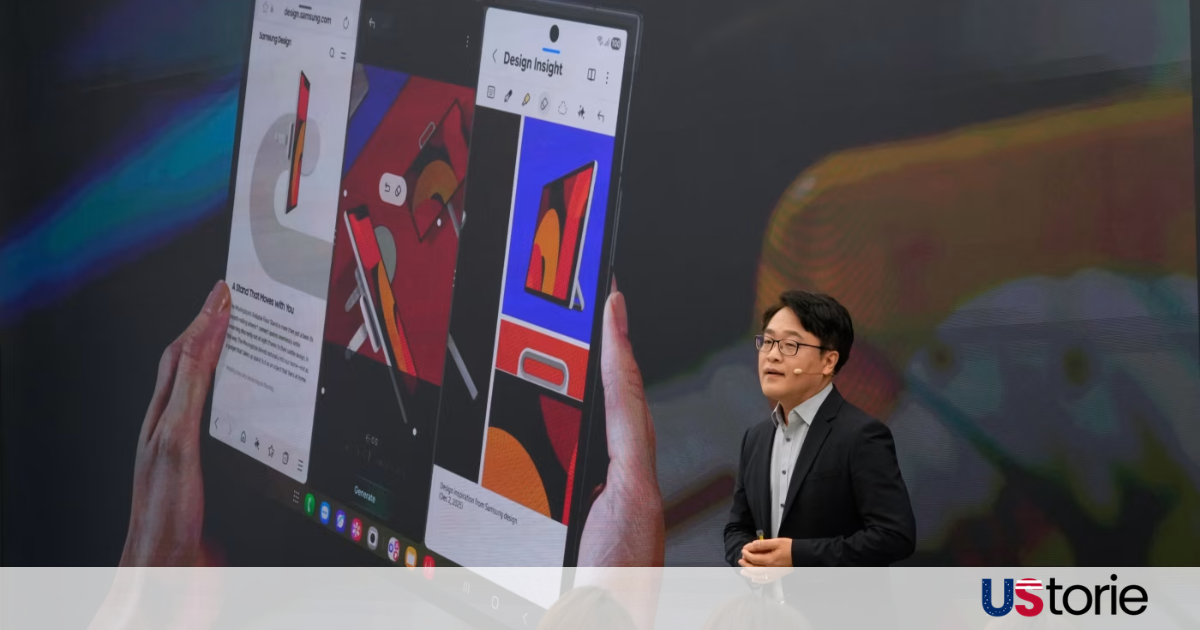
According to the official Galaxy Unpacked 2026 first look, the “Magic Editor” has also seen a massive overhaul. You can now move subjects in a video—not just a photo—with a simple drag-and-drop gesture, while the AI fills in the background frames in real-time. It’s professional-grade editing made accessible for the everyday user.
For tech enthusiasts who want to see how these mobile advancements are impacting the broader digital landscape in 2026, UStorie offers an in-depth library of analysis on the current tech-driven shift in American society.
Hardware That Matches the Brains
While the software is the star, the hardware hasn’t been neglected. The Galaxy S26 Ultra features a new “Titanium Core” chassis that is 20% lighter than last year’s model but significantly more durable. The display, a 6.9-inch Dynamic AMOLED 4X, now reaches a peak brightness of 3,200 nits, making it the brightest screen ever put on a smartphone—perfect for those high-glare outdoor environments.
Under the hood, the Snapdragon 8 Gen 5 (optimized specifically for Galaxy) provides the raw power needed to run complex AI models locally on the device. This “on-device” processing is a major win for privacy, as your data doesn’t have to leave the phone to be analyzed. This focus on security and performance is a recurring theme in our US News tech briefings, where we track how manufacturers are balancing innovation with user safety.
The March 11 Launch: What to Expect
As the March 11 release date approaches, pre-order fever is already hitting a boiling point. Samsung has announced an aggressive trade-in program for U.S. customers, offering up to $900 for older flagship models. This move is clearly designed to migrate the massive user base into the AI ecosystem as quickly as possible.
The pricing remains competitive, with the base S26 starting at $799, while the Ultra remains at the premium $1,199 mark. For those who follow the competitive nature of the tech industry, these price points are a strategic move to undercut competitors who are still struggling to integrate similar AI depth. You can find more updates on the competitive tech market and luxury electronics in our latest Sports section.
A New Era for Mobile Photography
Photography on the S26 Ultra has reached a “DSLR-killer” status. The 300MP main sensor uses “Deep Fusion AI” to merge 16 pixels into one, creating images with unparalleled low-light clarity. But the real “wow” factor is the “AI Director” mode, which uses the phone’s triple-camera array to film three different angles simultaneously, allowing the AI to “cut” the best movie-style version of your family videos automatically.
Samsung’s message is clear: the era of the “Smartphone” is ending, and the era of the “Intelligent Companion” has begun. The S26 doesn’t just store your data; it interprets your life. As we get closer to the March 11 release, the question isn’t whether the hardware is good—it’s whether the world is ready for a phone that thinks this much.