
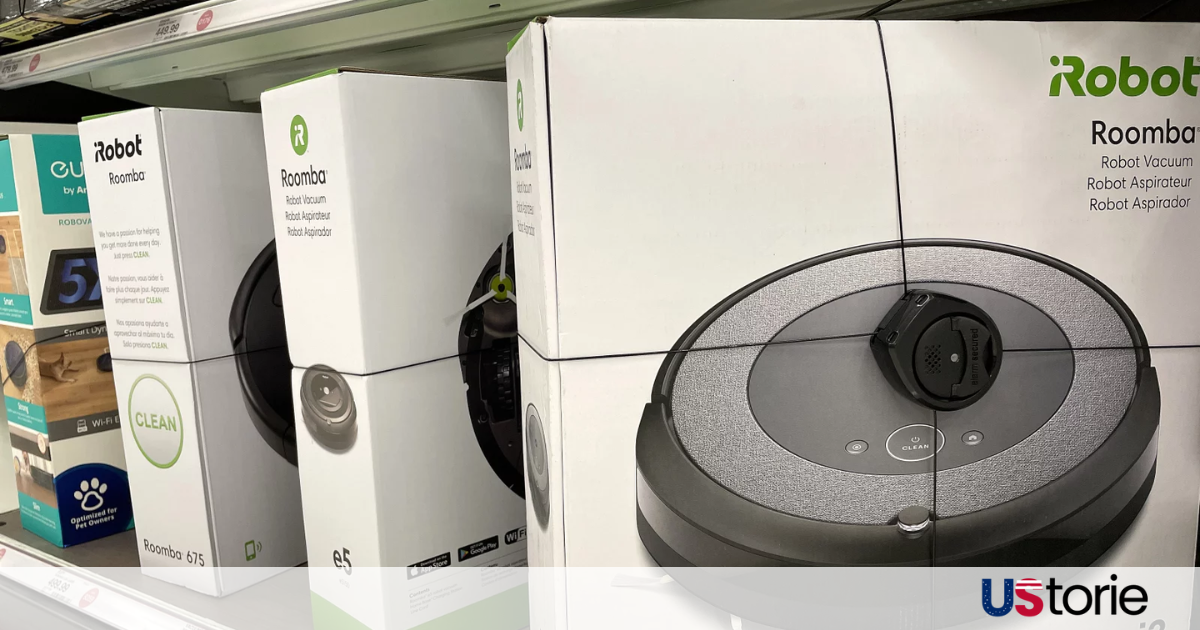
For years, the name Roomba was almost synonymous with robot vacuums. People didn’t say, “I’m buying a robot cleaner.” They said, “I’m getting a Roomba.” That kind of brand recognition is rare — and powerful. Which is why the news that iRobot, the company behind Roomba, has filed for bankruptcy and is pursuing a manufacturer buyout landed with a mix of shock, sadness, and quiet inevitability.
This wasn’t just another tech company stumbling. This felt like watching a familiar household presence slowly fade from relevance.
As discussions spread across business and tech circles — including coverage spaces like Ustorie.com — many consumers found themselves asking the same question: How did a company that once defined an entire product category end up here?
From Innovation Darling to Financial Strain
When iRobot introduced the Roomba in the early 2000s, it felt futuristic. A small disc-shaped robot quietly cleaning floors while people went about their day — it was something straight out of science fiction. Early adopters loved it. Tech reviewers praised it. The company became a symbol of practical robotics.
But innovation ages quickly.
Over the years, competitors flooded the market. Cheaper alternatives emerged. Smart home ecosystems expanded. What once felt groundbreaking began to feel… expected.
One longtime Roomba owner shared online:
“My first Roomba felt like magic. My last one felt overpriced.”
That sentiment, repeated quietly across households, hints at a deeper problem.
The Weight of a Changing Market
The consumer technology space doesn’t forgive complacency. While iRobot continued to improve its products incrementally, rivals raced ahead with aggressive pricing, faster updates, and tighter integration with smart assistants.
Meanwhile, manufacturing costs rose. Marketing budgets ballooned. And consumer loyalty became increasingly fragile.
According to industry observers, iRobot found itself squeezed between premium pricing and mass-market expectations — a dangerous place to be.
This kind of market pressure is often explored in broader U.S. business reporting, including trends covered in Ustorie’s US News section, where once-dominant brands struggle to adapt to rapid shifts.
Bankruptcy Doesn’t Mean the End — But It Does Mean Change
Filing for bankruptcy doesn’t automatically mean iRobot is disappearing. In many cases, it’s a strategic reset — a way to reorganize debt, restructure operations, and seek new ownership.
iRobot’s move to pursue a manufacturer buyout suggests the company still has value — particularly in its patents, brand recognition, and robotics expertise.
One tech analyst commented:
“Roomba as a product may survive, but iRobot as we knew it probably won’t.”
That distinction matters. Consumers may continue seeing Roomba-branded devices — but under very different management and strategy.
The Emotional Side of a Corporate Fall
There’s something unexpectedly personal about this story. iRobot wasn’t just a tech firm — it was part of people’s homes.
For some, a Roomba was their first “smart” device. For others, it was a small luxury that made daily life easier. Watching the company struggle feels like watching a trusted brand lose its footing.
One user wrote:
“It cleaned my apartment through college, my first job, and my first kid. It feels weird to see the company fail.”
That emotional connection is something spreadsheets don’t measure — but it matters.
Technology Moves Faster Than Nostalgia
The harsh truth is that innovation alone doesn’t guarantee survival. The tech world rewards speed, adaptability, and ecosystem thinking.
As discussions around automation, AI-powered home devices, and manufacturing efficiency continue to evolve — topics often explored in Ustorie’s Technology category — companies that don’t evolve fast enough get left behind, regardless of past success.
Roomba’s story is a reminder that being first doesn’t mean being forever.
What Happens Next for Consumers?
For current Roomba owners, the immediate concern is support. Will software updates continue? Will replacement parts be available? Will warranties still be honored?
Historically, during buyouts, popular product lines tend to survive — especially when demand remains. But customer trust can be shaken during transitions.
Consumers will be watching closely.
A Lesson Bigger Than iRobot
The fall of iRobot isn’t just about one company. It’s about the pace of modern business. About how quickly leaders can become laggards. About how innovation must be continuous, not nostalgic.
iRobot changed how people cleaned their homes. That legacy won’t disappear — even if the company itself transforms beyond recognition.
And perhaps that’s the most human part of this story: even the machines that made life easier are subject to the same forces as the people who built them Change.