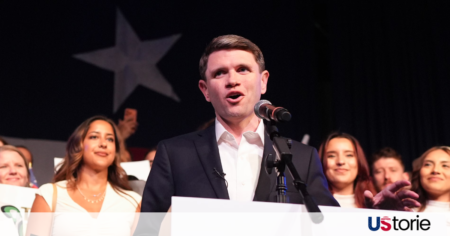

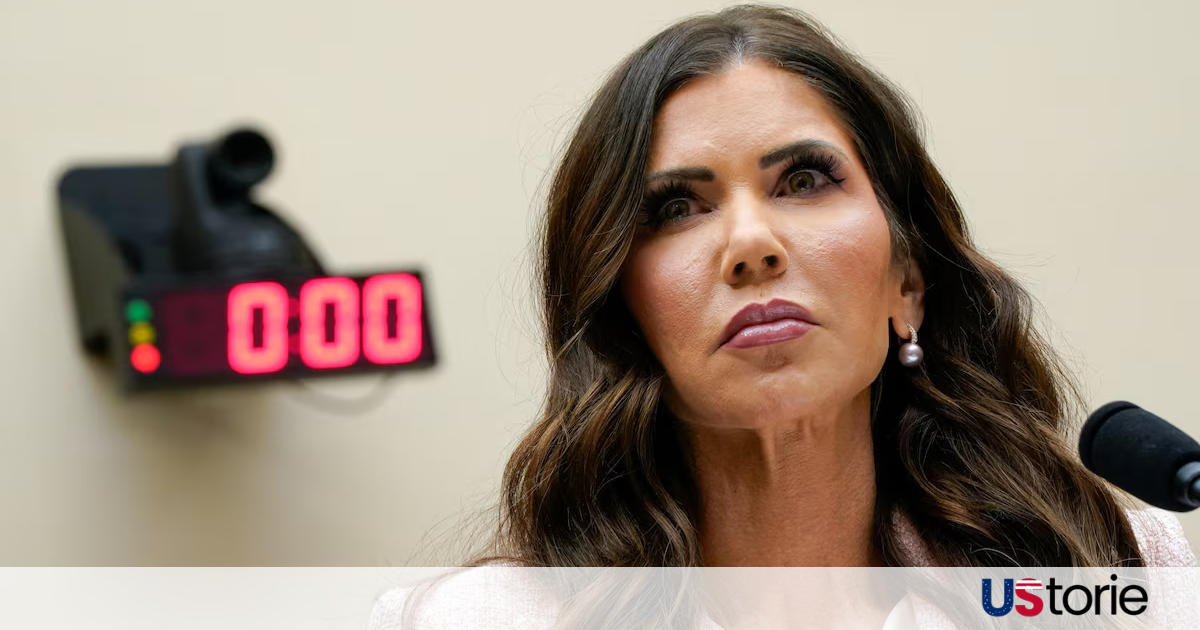
In a move that signals a “return to basics” for the administration’s border and security agenda, President Donald Trump has officially tapped Oklahoma Senator Markwayne Mullin to serve as the next Secretary of Homeland Security. The announcement, made early Friday, March 6, 2026, comes less than 24 hours after the dramatic dismissal of Kristi Noem.
Mullin, a former professional MMA fighter and a staunch loyalist who has spent years defending the President’s “America First” policies in the Senate, is expected to bring a more combative and disciplined approach to a department recently mired in internal friction and public relations blunders.
The Ad Campaign That Ended the Noem Era
While the firing of Kristi Noem was months in the making, the “final straw” appears to have been an unauthorized and expensive public relations campaign. In an exclusive interview with Reuters, President Trump revealed that he did not sign off on a massive national ad campaign featuring Noem that aired over the last two weeks.
The ads, which reportedly cost millions in taxpayer funds, were meant to highlight “The Shield of the Americas” initiative but were seen by many in the West Wing as a self-promotional “vanity project” for Noem’s future political ambitions. According to the CNN report on Mullin’s appointment, Trump was “blindsided” by the campaign and felt it distracted from the actual work being done at the border.
For a deeper look at the internal memos that sparked this Cabinet shakeup, UStorie offers an exclusive editorial on the “Vanity Tax” within the 47th administration.
Who is Markwayne Mullin?
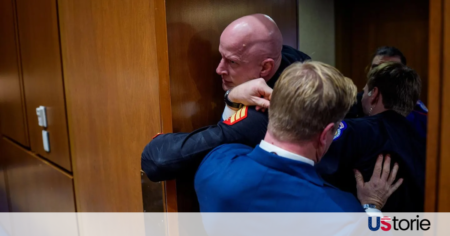
Markwayne Mullin is not your typical Washington bureaucrat. A former plumber and professional athlete, he has built a political brand based on physical toughness and plain-spoken rhetoric. In the Senate, he gained national notoriety for nearly coming to blows with a union leader during a committee hearing—a moment that endeared him to the President’s base as a man who “won’t back down.”
Mullin’s appointment is a strategic pivot. While Noem was often seen as a “media personality,” Mullin is viewed as a “legislative enforcer.” His primary mission will be to streamline the mass deportation protocols and oversee the completion of the expanded wall system without the “glitz and glamour” that characterized his predecessor’s tenure. This shift in departmental tone is a key focus of our US News political desk, where we track the staffing of the world’s most powerful executive branch.
The Immediate Challenges: Confirmation and the Border
Despite his popularity within the GOP, Mullin’s path to confirmation may not be entirely smooth. Democrats have already signaled they will grill the Senator on his involvement in past “shadow diplomacy” missions and his aggressive stance on domestic protests. However, with a Republican-controlled Senate, his path to the Cabinet seems largely secured.
On the ground, Mullin inherits a department grappling with the fallout of the Minneapolis shootings and a renewed surge of migrants at the southern border. To understand how these security shifts are impacting the broader social and cultural climate in the U.S., visit our Sports and Lifestyle section, which examines the community impact of federal policy changes.
A New Chapter for the DHS
The transition from Noem to Mullin represents a tightening of the circle around the President. By choosing a Senator with whom he has a direct, long-standing relationship, Trump is ensuring that the Department of Homeland Security remains in lockstep with the White House’s daily directives.
As Mullin prepares to vacate his Senate seat and take over the massive DHS bureaucracy, the message from the Oval Office is clear: the time for “border theater” is over, and the time for “results” has begun.