

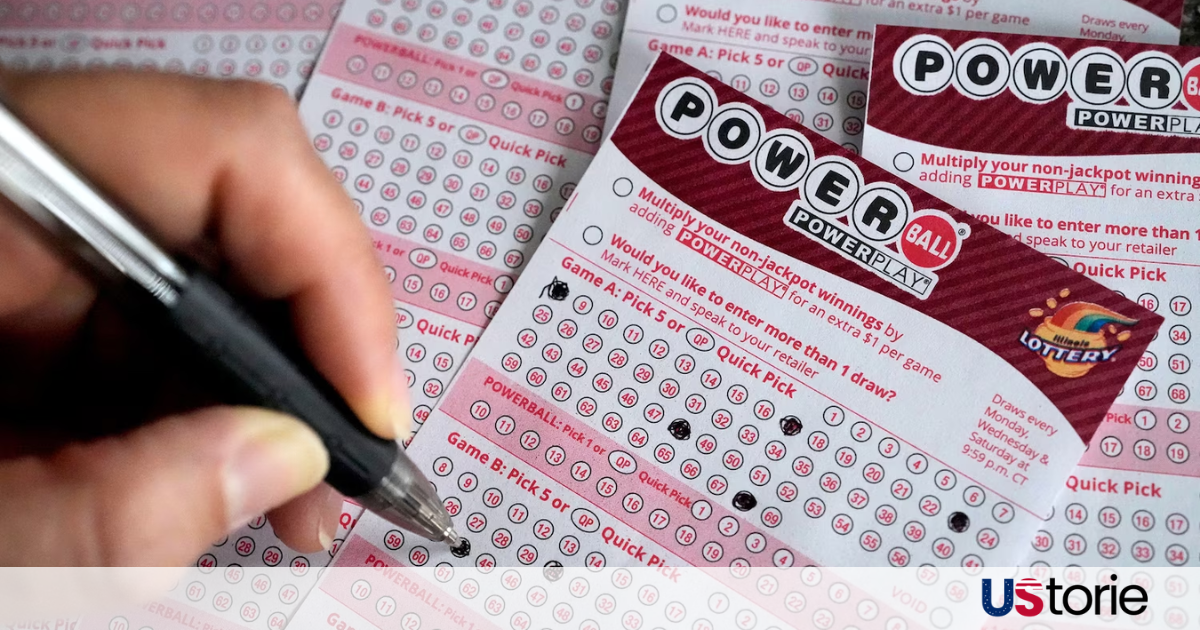
By the time Wednesday night’s Powerball drawing ended without a winner, something familiar had already started happening across the country. Phones lit up. Group chats filled with jokes. Office conversations drifted away from deadlines and toward dreams. The jackpot had officially climbed to an estimated $1.5 billion, and suddenly, everyone had a plan for money they didn’t yet have.
It’s interesting how a number that large stops feeling real. One billion dollars doesn’t fit into everyday thinking. But that hasn’t stopped people from trying.
On Thursday morning, I overheard two coworkers debating what they would do if they won. One said he’d disappear quietly, pay off his parents’ mortgage, and never open Slack again. The other laughed and said he’d probably still show up to work the next day, “just to enjoy the feeling of knowing I don’t need this anymore.” That small exchange says a lot about why lotteries like Powerball capture so much attention. It’s not really about luxury it’s about freedom.
Why These Jackpots Hit a Nerve
Whenever the Powerball jackpot reaches historic levels, critics are quick to point out the odds. And they’re right the chances of winning are extremely slim. But that’s never been the point for most players.
Buying a ticket is less about probability and more about permission. Permission to imagine a life without financial stress. Permission to pause for a moment and think beyond bills, rent, and student loans. For a few dollars, people buy a temporary escape from reality — and in a time when economic anxiety is common, that escape feels valuable.
Coverage of moments like this often shows up in broader national conversations, especially in places that track cultural and economic trends together. You’ll often see this kind of story discussed in the US News section of UStorie, where big national moments are framed through how they affect real people.
https://ustorie.com/category/us-news/
The Quiet Role of Technology in Modern Lotteries
What’s easy to overlook is how different this experience is from even ten years ago. Lottery fever no longer lives just at gas stations and convenience stores. It lives on phones, apps, and social feeds.
People check numbers instantly. They share screenshots. They watch live reactions online. Algorithms push jackpot headlines into timelines within minutes. Technology has turned the lottery into a shared national moment, unfolding in real time.
That same technology also shapes how people play — from quick-pick systems to digital reminders before a drawing. It’s a small example of how tech quietly reshapes everyday habits, even ones as old as lotteries. Broader discussions about how technology influences behavior — not just in entertainment, but in daily life — are often explored in the Technology section of UStorie.
https://ustorie.com/category/technology/
Dreams, Doubts, and a Little Realism
Not everyone buys into the excitement. Some people roll their eyes when jackpots get this big. They see it as a tax on hope, or a distraction from deeper financial issues. That perspective isn’t wrong either.
A friend of mine refuses to buy lottery tickets on principle. “If I’m going to dream,” she told me, “I’ll do it without giving my money away.” But even she admitted that when the jackpot hits numbers like $1.5 billion, it’s hard not to feel curious. Hard not to imagine what if.
That tension between logic and imagination is what keeps lotteries alive.
Why This Moment Matters More Than the Money
Here’s the human insight that often gets missed: moments like this say more about how people feel than about money itself. When a jackpot captures national attention, it usually reflects a collective craving for relief, stability, or possibility.
People don’t just want wealth. They want time. They want options. They want to stop worrying about the next unexpected expense. In that sense, the Powerball jackpot becomes a mirror, reflecting what many Americans quietly want but rarely say out loud.
And that’s why stories like this keep resurfacing across media platforms. Sites like UStorie.com don’t just report numbers they follow the emotional undercurrent behind them.
https://ustorie.com/
The Final Thought Before the Next Drawing
By the time the next drawing arrives, millions will hold tickets with the same mix of excitement and realism. Most will lose. One might not. And regardless of the outcome, the conversation will linger.
For a brief moment, a massive jackpot pulls people into the same mental space one filled with imagination, humor, skepticism, and hope. And in a divided, fast-moving world, that shared pause is rare.
Whether or not anyone wins the $1.5 billion prize, the real takeaway is simple: people still believe in the possibility of something better, even if it comes wrapped in impossible odds.
And sometimes, believing even briefly is worth the price of a ticket.