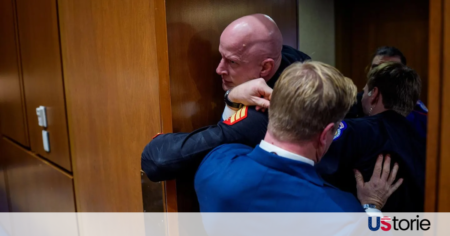

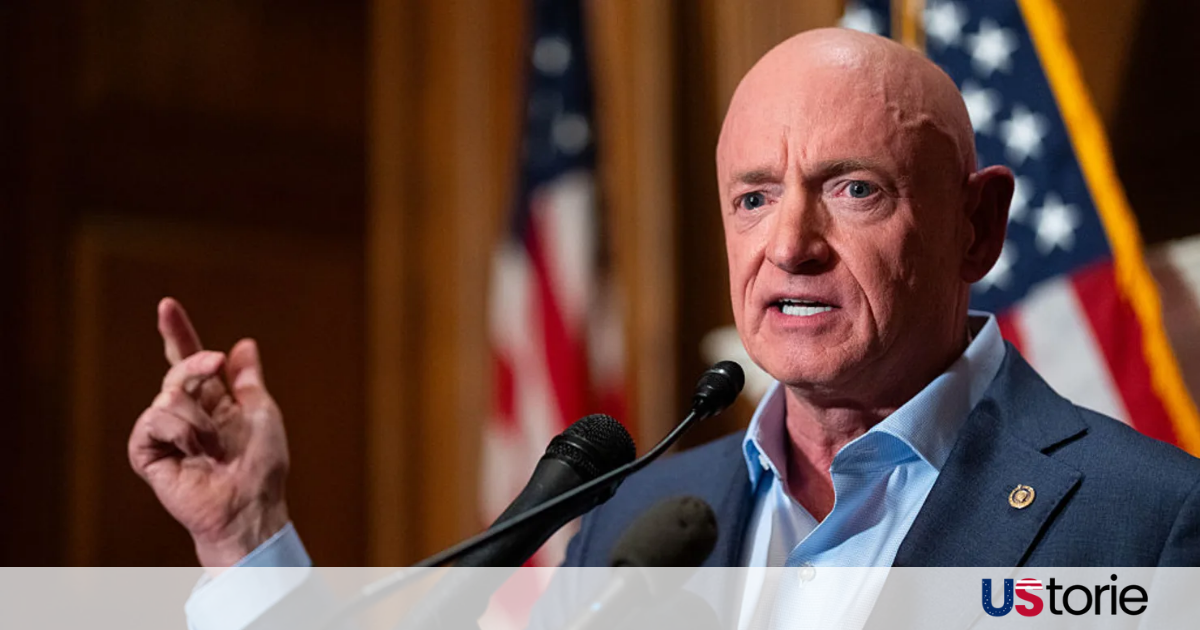
It wasn’t announced with a press conference or a formal briefing. Instead, the controversy surfaced the way many political flashpoints do now through comments, reactions, and a growing sense that something serious was unfolding. At the center of it is Mark Kelly, a former Navy pilot and current U.S. senator, whose military retirement pay is now under threat after the Pentagon labeled a recent video of his as “seditious.” The move has sparked immediate backlash, confusion, and a deeper debate about where political speech ends and institutional punishment begins.
Kelly, who flew combat missions and later became an astronaut before entering politics, has long carried bipartisan respect for his military background. That history is exactly why the Pentagon’s decision has landed with such force.
Military retirement pay is not a symbolic benefit. It’s treated as earned compensation, tied to years of service and sacrifice. Cutting it is almost unheard of especially for someone no longer in uniform and now serving as an elected official.
Yet Hegseth defended the move, saying the video in question undermined constitutional order and crossed boundaries that former service members are expected to respect, even after retirement.
What exactly qualifies as “seditious,” however, is where the debate becomes murky.
The video itself which Kelly’s team argues was taken out of context criticized government authority in unusually sharp terms. Supporters say it was protected political speech. Critics argue it encouraged distrust of institutions in a moment when tensions are already high.
That distinction matters.
Calling something controversial is one thing. Labeling it seditious places it in a far more dangerous category — one that historically carries legal and moral weight.
For readers following U.S. political accountability and institutional power, Ustorie continues coverage here:
https://ustorie.com/category/us-news/
Behind the scenes, legal experts are already questioning whether the Pentagon’s move will survive scrutiny.
Military retirement pay has traditionally been shielded from political retaliation. While there are exceptions — usually involving criminal convictions or clear violations of military law — punishing speech after retirement enters uncertain legal territory.
Even critics of Kelly have expressed discomfort with the precedent.
If one retired officer’s benefits can be cut over a political message, what stops future administrations from using the same tool against ideological opponents?
That question hangs over Washington right now.
There’s also a broader institutional concern.
The Pentagon has historically worked to remain above partisan conflict. Its credibility depends on neutrality. Once military benefits become leverage in political disputes, that neutrality begins to fray.
Some analysts argue that the decision risks pulling the armed forces deeper into cultural and political battles they’ve long tried to avoid.
Others counter that military service carries lifelong obligations and that certain lines, once crossed, must have consequences.
Both arguments carry weight. That’s what makes this case so volatile.
Kelly, for his part, has pushed back strongly. Allies describe him as stunned by the move, arguing that his service record speaks for itself. They point to decades of loyalty, missions flown, and risks taken all long before his political career began.
“This feels less about discipline and more about punishment,” one aide privately remarked.
Whether that interpretation holds will likely be decided in court.
Beyond the legal fight, the episode exposes a deeper tension in American life right now.
Where does personal expression end and institutional responsibility begin?
Can a retired service member fully separate their past role from their present voice?
And who gets to decide when criticism becomes something more dangerous?
These are not questions with easy answers.
They’re also not going away.
For deeper dives into how technology, media, and politics amplify modern controversies, Ustorie explores related analysis here:
https://ustorie.com/category/technology/
Whatever the outcome, the Kelly case may mark a turning point.
If the Pentagon succeeds, it could redefine how retired military figures engage in political speech. If it fails, it may reinforce long-standing protections around earned benefits and free expression.
Either way, the decision will echo far beyond one senator and one video.
Because once institutions start testing the limits of punishment, everyone starts paying attention.
For continued reporting and original analysis, visit:
https://ustorie.com/