

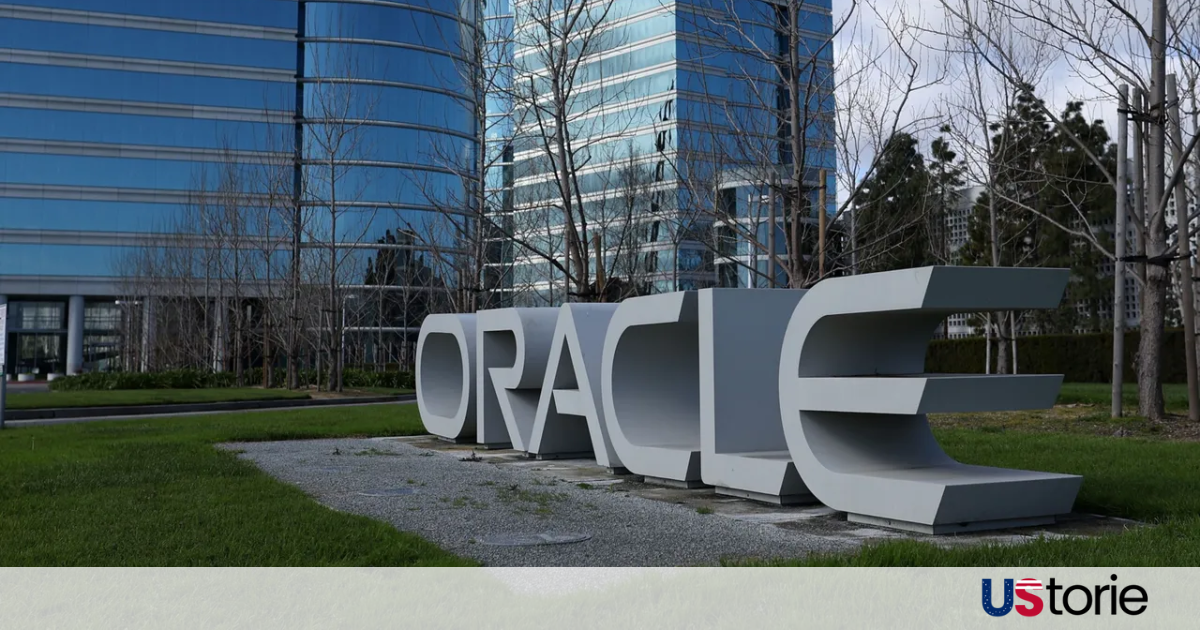
It’s not often that a single stock moves the entire technology sector, but when Oracle shares dropped more than 11% in premarket trading, the reaction was instant, loud, and widespread. Investors woke up expecting a normal trading day and instead found themselves confronting a wave of panic selling across AI-linked stocks.
For many, this wasn’t just about one company missing expectations. It was about fear, timing, and how sensitive the tech world has become to any wobble in the AI narrative.
If you follow breaking financial and political stories regularly, you can always check updates on:
https://ustorie.com/category/us-news/
A Drop That Felt Personal for Investors
Oracle has always had a strange relationship with Wall Street. It’s not a flashy startup. It’s not the newest AI darling. It’s a legacy giant trying to reinvent itself — and doing a surprisingly good job of it until this week.
So when the stock tanked unexpectedly, investors reacted like they were watching a dependable old friend suddenly stumble.
One trader described the moment like this:
“It felt like walking into the office expecting a normal Monday morning and finding the lights flickering. You know it’s probably nothing… but your stomach still drops.”
That’s the emotional side of market psychology: even calm investors feel a jolt when giants fall.
Why the AI Sector Reacted So Strongly
The interesting part wasn’t just Oracle’s decline it was how AI-focused companies fell alongside it. Some analysts say the reaction wasn’t entirely logical. But in markets, logic rarely wins.
Investors linked Oracle’s weakness with broader AI uncertainty.
Even though Oracle isn’t leading the AI revolution the way Nvidia or OpenAI-linked companies are, it plays a major role in AI cloud infrastructure, enterprise computing, and data hosting. If Oracle signals slowing demand or tightening budgets, investors assume AI spending may also cool.
AI is in a hype-heavy era.
Any crack in the narrative creates outsized reactions. Stocks tied to AI chips, cloud computing, and enterprise software fell quickly as investors rushed to “protect” gains accumulated over the past year.
Tech moves in packs.
Ask any longtime investor tech stocks behave like a school of fish. When one darts suddenly, the others move too.
For deeper financial coverage and economic stories, your Business & Finance category offers strong insights:
https://ustorie.com/category/business-finance/
Inside Oracle: A Company Under Pressure or a Victim of Market Emotion?
Was the sell-off justified? Opinions differ.
Some analysts argue Oracle failed to meet lofty AI expectations. Others insist the market simply overreacted to modest guidance changes. Then there are investors who see this as a classic “buy the dip” moment.
One long-term investor shared:
“We’ve seen this pattern before. A strong company reports one soft quarter and the market loses its mind. I’m not selling — Oracle still makes money the old-fashioned way.”
On the other hand, a tech analyst offered a more cautious viewpoint:
“AI spending may not be as explosive as everyone hoped. If Oracle’s cloud bookings are slowing, it means enterprises are becoming more careful with budgets.”
This debate highlights something important: markets move on stories as much as numbers. And right now, the AI story is experiencing one of its moodiest chapters yet.
Ripple Effects That Could Shape the Coming Weeks
Oracle’s tumble may force investors to rethink which companies are truly positioned for long-term AI success. If enterprise spending tightens, smaller companies could feel the crunch even more than giants.
In the next few weeks, analysts will be watching:
Cloud contracts and renewal rates
Corporate AI budgets
Enterprise software spending
Guidance revisions from big tech companies
This is a turning point not necessarily negative, but certainly transitional.
For updated national market coverage and major breaking stories, your homepage keeps everything accessible:
https://ustorie.com/
A Final Takeaway
The stock market likes to pretend it’s rational, but days like this prove it’s just as emotional as the people who trade in it.
Oracle’s 11% drop didn’t happen in a vacuum it reflected fear, uncertainty, impatience, and the fragile confidence surrounding the AI boom.
Will this moment be remembered as a correction or a warning?
Investors won’t know for months. But for now, one thing is clear:
When a tech giant sneezes, the rest of the AI market still catches a cold.