
Snow in New York is nothing new. But every few years, there’s one storm that makes people stop and say, “Okay… this one’s different.”
This was that storm.
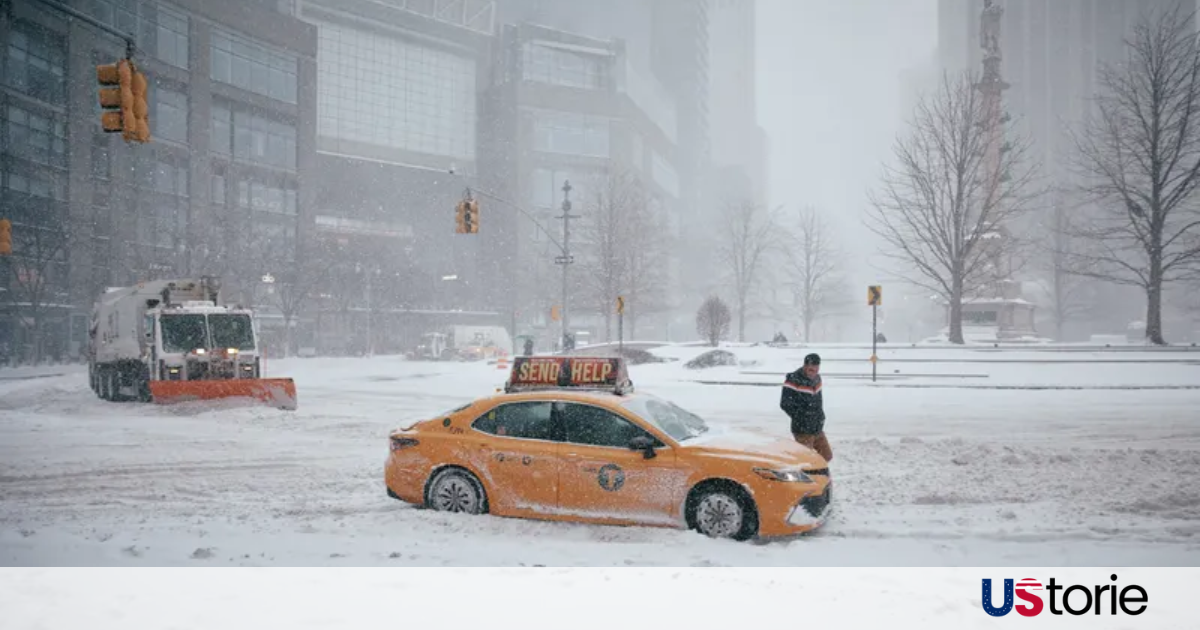
Early morning across the city felt unusually quiet. Fewer horns. Fewer voices. Just the sound of shovels scraping sidewalks and snow falling off tree branches. Overnight, a powerful winter system buried large parts of the NYC metro area under record-breaking snowfall the heaviest many residents have seen in nearly five years.
A long night, a slow morning
For a lot of people, the storm didn’t really sink in until morning. You open the door, expecting a few inches, and instead you’re staring at a wall of snow. Cars half-covered. Sidewalks erased. Corners you walk every day suddenly unfamiliar.
In neighborhoods across Brooklyn, Queens, Manhattan, and the surrounding suburbs, residents stepped outside with phones in hand measuring, snapping photos, texting family. The question wasn’t if it snowed. It was how much.
This kind of weather disruption quickly turns into a national story, especially when it hits a city as busy as New York. Similar large-scale events are often covered under broader U.S. updates at
https://ustorie.com/category/us-news/
How bad did it actually get?
Snow totals varied by area, but several locations reported amounts that pushed this storm into “historic” territory. Central Park, Long Island, and parts of northern New Jersey all saw totals well above early forecasts.
What made the storm stand out wasn’t just the snow itself, but how long it lingered. Bands sat over the region for hours, dumping steady accumulation without much relief. By the time snowfall slowed, cleanup crews were already behind schedule.
NBC New York tracked conditions throughout the night and into the morning, sharing live updates, snowfall maps, and advisories. For detailed storm coverage and ongoing updates, the original report can be found here
The city switches into recovery mode
As soon as the snow eased, the familiar routine kicked in. Plows first. Then sanitation crews. Then the long wait for side streets to clear.
Major roads were passable by morning, but residential streets told a different story. Public transportation ran, though not smoothly. Some above-ground subway lines slowed. Flights were delayed or canceled as airports worked through runway cleanup.
It wasn’t chaos just friction. The kind of friction that reminds you how much effort it takes to keep a city moving after nature presses pause.
Why storms like this still matter
In recent winters, New York hasn’t seen many truly massive snow events. That’s part of why this one felt so noticeable. When something becomes rare, people feel it more.
Beyond inconvenience, storms like this affect work schedules, school plans, small businesses, and even mental health. For some, it’s exciting. For others, exhausting.
Weather stories often blend into culture and daily life more than people realize something that overlaps with broader lifestyle and entertainment coverage at
https://ustorie.com/category/entertainment/
What residents should watch next
Even after the snow stops, the risks don’t disappear. Melting during the day and freezing overnight can turn cleared sidewalks into ice sheets. Officials urged residents to shovel responsibly, clear fire hydrants, and stay alert for falling ice from rooftops.
The next few days will be about balance cleanup during daylight, caution after dark.
A quiet reminder from winter
By afternoon, the city slowly found its rhythm again. Coffee shops reopened. Buses ran fuller. Kids tested snowbanks before they melted away.
This storm won’t last forever. But it will be remembered — not just for the numbers, but for how it briefly changed the pace of life in New York.
For continued coverage on major weather events and national stories as they unfold, readers can always check
https://ustorie.com/
Final note
New York doesn’t stop for snow. It adapts. And after this storm, it did what it always does dug out, brushed off, and kept moving.