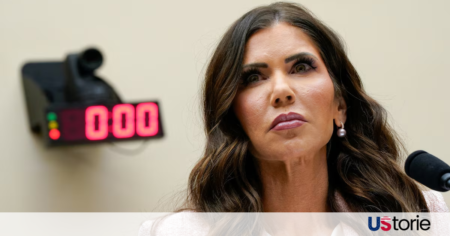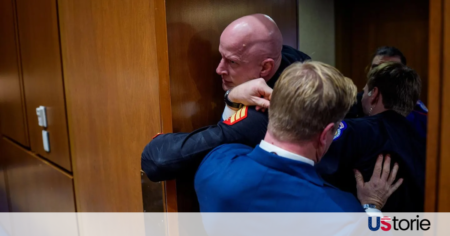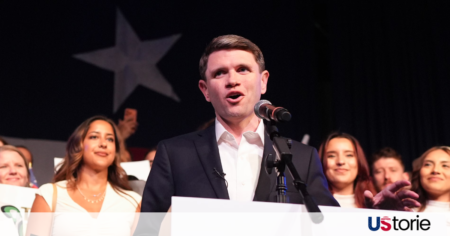

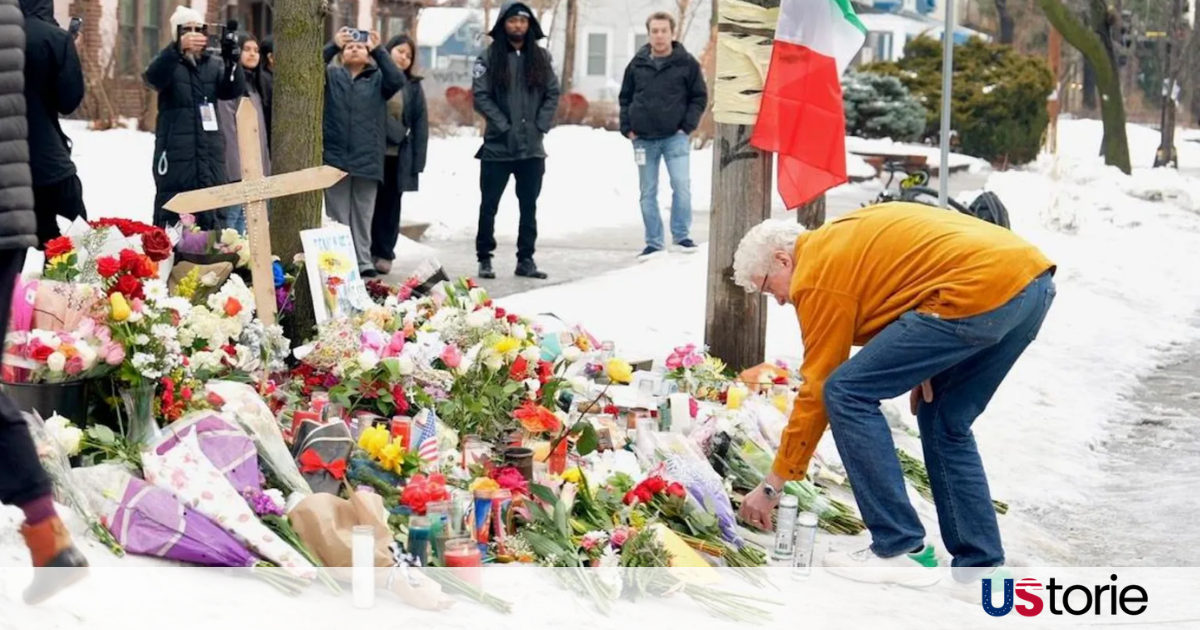
What happens when state officials ask questions and the answers never come? That’s the situation unfolding in Minnesota, where leaders now say they were blocked from accessing key details in an ICE-related shooting investigation. Instead of briefings or shared evidence, they say the Federal Bureau of Investigation took full control, leaving state authorities on the outside of a case happening in their own backyard and raising immediate concerns about transparency and trust.
For Minnesota, this isn’t just a procedural dispute. It cuts into something deeper: who gets to see the facts when force is used, and who decides when answers are enough.
State officials say they expected coordination. What they encountered instead was silence.
They requested briefings. They asked for access to evidence. They sought clarity on what exactly happened during the ICE operation that ended with shots fired. Each time, they say, the response was the same — the case was federal, and that was that.
The shooting involved officers connected to Immigration and Customs Enforcement, an agency that already operates under intense scrutiny. In Minnesota, that scrutiny is amplified by history. Public trust in law enforcement oversight here has been hard-earned and easily shaken.
That context matters.
When information is withheld, even temporarily, it doesn’t pause concern — it accelerates it.
Federal authorities haven’t offered much explanation beyond jurisdiction. Investigations involving federal officers, they argue, require tight control to protect witnesses and preserve evidence. That logic isn’t new. But Minnesota officials counter that oversight doesn’t equal interference.
They say they aren’t looking to influence the outcome. They’re asking to understand it.
And there’s a difference.
What makes this situation uncomfortable is how familiar it feels. Across the country, similar cases have unfolded the same way: a shooting, an investigation, and then a long stretch of limited information. The longer that stretch lasts, the harder it becomes to rebuild confidence — regardless of what the final findings show.
Technology has changed expectations. Body cameras, security footage, bystander videos people know evidence exists. When officials say they can’t see it, the public wonders why.
That growing gap between authority and transparency is part of a broader shift happening across law enforcement and accountability, explored further here:
https://ustorie.com/category/technology/
Behind the scenes, pressure is building. State leaders have begun calling more openly for cooperation, framing access not as a political demand but as a responsibility to the public. Civil rights advocates echo that message, warning that closed-door investigations only deepen mistrust.
Federal officials, for now, are holding their ground.
The problem with withholding information is that it doesn’t stop conclusions — it just invites speculation. In the absence of facts, assumptions take over. Narratives harden. Positions become defensive.
By the time details finally emerge, the damage is often already done.
Minnesota officials argue that transparency isn’t about blame. It’s about credibility. When agencies investigate themselves without external review, even a clean outcome can feel incomplete.
The investigation remains active. The FBI retains control. Minnesota is still waiting.
Whether access is eventually granted may shape more than this single case. It could influence how future federal-state investigations are handled — especially those involving immigration enforcement and the use of deadly force.
For now, what stands out most isn’t what’s been revealed — it’s what hasn’t.
And in situations like this, silence tends to speak louder than facts ever could.
For continued reporting and in-depth U.S. coverage, visit
https://ustorie.com/