

With just days left before the world turns its attention to northern Italy, preparations for the 2026 Winter Olympics opening ceremony are quietly but intensely underway. Milan and Cortina d’Ampezzo, two places very different in character, are coming together to host one of the biggest sporting events on the planet. While athletes are finishing final training sessions and officials double-check logistics, anticipation is building for a night meant to set the tone for the Games.
The opening ceremony is scheduled for February 6, 2026, and it will take place in Milan at the historic San Siro Stadium. The venue is better known for football than winter sports, but for one night it will transform into a global stage. Crews have been working behind the scenes for months, testing lighting, rehearsing performances, and coordinating athlete arrivals. Nothing about an Olympic ceremony happens by accident, and organizers are being careful to keep many details under wraps.
Unlike previous Winter Games hosted in a single city, Milan Cortina is spread across multiple locations. That has added complexity, but it has also shaped the identity of these Olympics. Milan represents modern Italy—fashion, design, and urban life—while Cortina brings the alpine tradition that defines winter sports. The opening ceremony is expected to reflect that contrast without overexplaining it.
Fans following Olympic developments closely have already started tuning into broader coverage, including ongoing reporting available on UStorie, where major international events are followed with context rather than hype.
https://ustorie.com/
For viewers wondering how to watch, NBC will carry the opening ceremony live in the United States, with streaming options available through its digital platforms. Because Italy is several hours ahead of the U.S., the live broadcast will air earlier in the day, followed by a primetime replay for American audiences later that evening. This has become a familiar pattern for Olympic viewers, especially those who prefer watching with commentary and highlights.
What makes the opening ceremony matter is not just the spectacle. It’s the first moment when athletes from around the world come together in one place. The parade of nations, often overlooked amid fireworks and music, remains one of the most emotional parts of the night. For many competitors, walking into the stadium is the culmination of years of training, sacrifice, and uncertainty.
Security planning has also been a major focus. Italian authorities have confirmed expanded measures across Milan and Cortina, with coordination between local police, national agencies, and Olympic officials. While spectators rarely see this side of the Games, it plays a huge role in ensuring everything runs smoothly.
Coverage of large-scale international events like this, including security and logistics, is often explored in more detail in UStorie’s US News section, where global stories are connected to their wider impact.
https://ustorie.com/category/us-news/
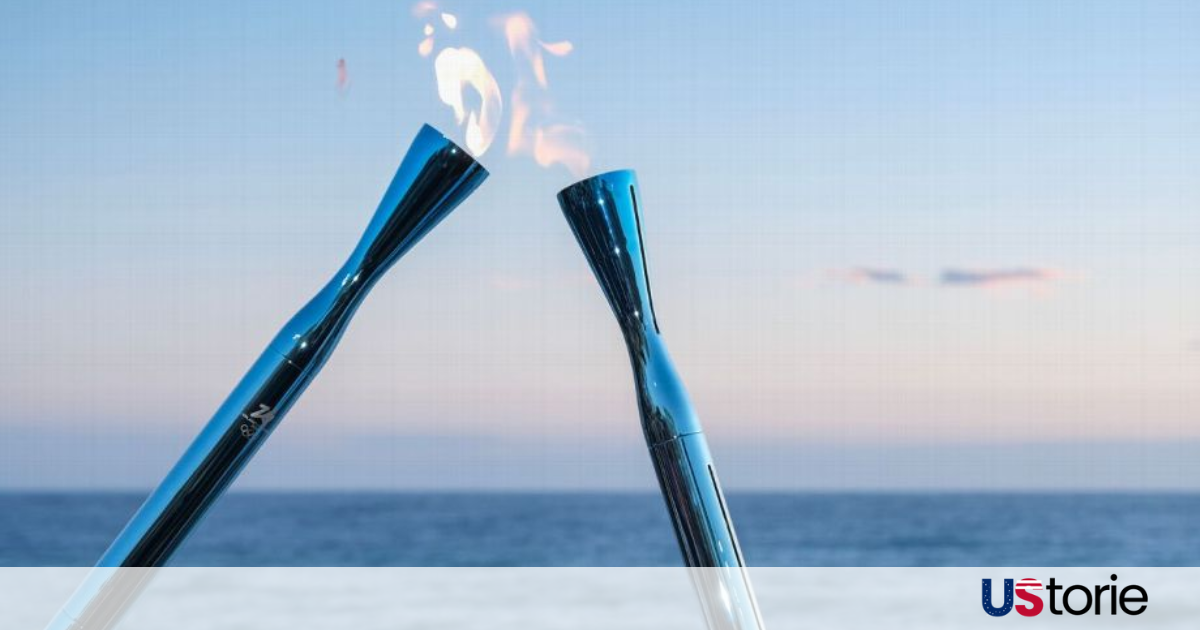
Another detail that sets the 2026 Games apart is timing. Some competitions will begin before the opening ceremony, meaning medals may already be on the line by the time the torch is lit. This isn’t unusual, but it’s something casual viewers often don’t realize. For athletes, though, the ceremony still holds symbolic weight—even if their events start earlier.
As for performances, organizers have not officially confirmed a full list. Traditionally, Italy’s musical and artistic heritage plays a central role, and expectations are high for a ceremony that balances elegance with restraint. Recent Olympics have shown that simpler ceremonies often resonate more than overly elaborate ones, and Milan Cortina appears to be leaning in that direction.
Cultural moments tied to sport frequently land in the entertainment space as well, and for readers who enjoy how global events intersect with art and performance, UStorie’s Entertainment section offers similar coverage.
https://ustorie.com/category/entertainment/
For now, much of what fans know comes from official briefings and media access around rehearsals and schedules. NBC has been publishing live updates and broadcast information as the ceremony approaches, offering a clearer picture of what viewers can expect on the day itself Click Here .
Once the ceremony concludes, attention will quickly shift to competition. Alpine skiing, figure skating, snowboarding, and ice hockey are among the events expected to draw the biggest audiences in the early days of the Games. But the opening ceremony remains the emotional starting point—the moment when the Olympics officially begin.
In the end, the success of the Milan Cortina opening ceremony won’t be measured only by visuals or ratings. It will be judged by whether it captures the spirit of the Games and reflects the places hosting them. For Italy, it’s a chance to welcome the world. For athletes, it’s a milestone. And for viewers, it’s the start of two weeks where sport briefly takes center stage.