
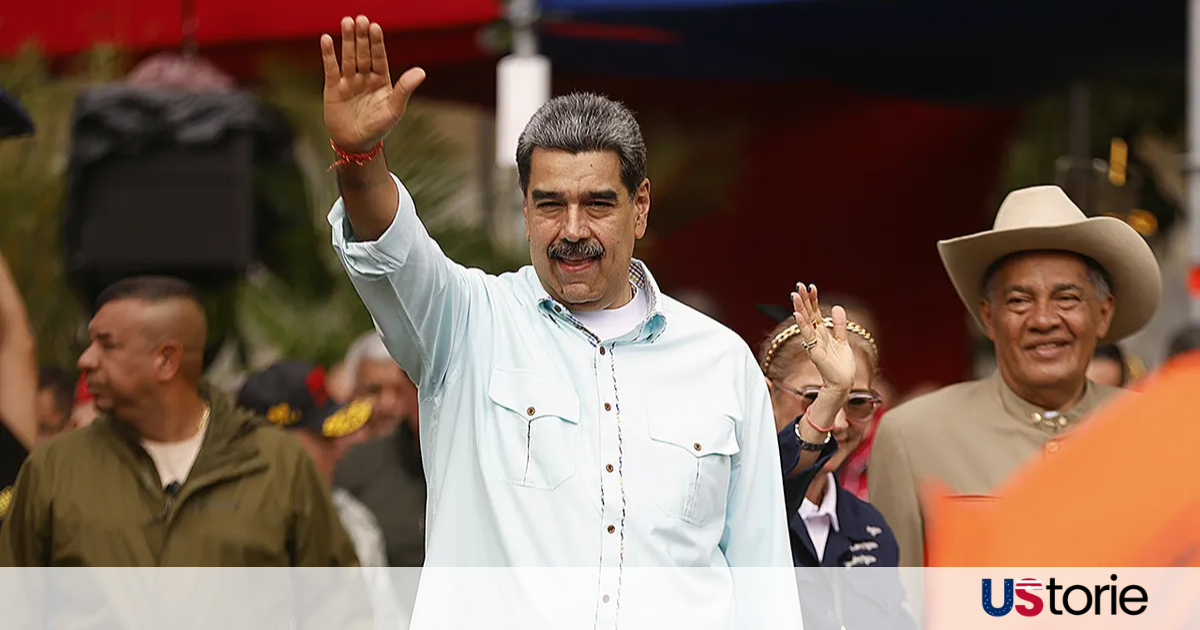
It’s the kind of political twist no one writes into a script. A man who once mocked U.S. sanctions from a presidential stage is now locked inside an American detention facility, far from cameras and allies. The detention of Nicolás Maduro has quietly turned into one of the most consequential and uncomfortable moments for Washington, forcing officials to decide whether this ends as a legal reckoning or a diplomatic earthquake.
From Palace Corridors to Jail Hallways
Maduro’s political career was built on control and endurance. Even during Venezuela’s deepest economic collapse, he remained in power, surviving sanctions, protests, and diplomatic isolation. That endurance makes his current situation harder to process — even for critics.
New York is a long way from Caracas, not just in distance but in symbolism. Here, there are no loyal crowds, no state television cameras, no protective inner circle. Just federal custody and a legal process that does not bend easily.
Officials within the Trump administration have offered little public detail, and that silence appears intentional. The decision-making now unfolding is less about spectacle and more about consequence. Every move carries diplomatic weight.
For broader U.S. political context and developing coverage, updates continue on
👉 https://ustorie.com/category/us-news/
Why Washington Is Proceeding Carefully
Trying a former foreign leader inside the United States is not routine. It sets precedents — legal, political, and historical. Even within the Trump administration, there is awareness that the outcome could echo far beyond this case.
Supporters of Maduro frame the detention as politically motivated. Opponents argue it represents delayed accountability. But in Washington, the debate is quieter and more technical: jurisdiction, immunity, timing, and global response.
This is not just about one man. It’s about what message the U.S. sends to current and future leaders who believe distance alone offers protection.
An Unusual Figure at the Center of the Case
Perhaps the most unexpected element of this story is the judge overseeing the proceedings. At 92, Alvin Hellerstein brings decades of courtroom experience and a reputation for independence.
Hellerstein is not known for aligning himself with political winds. In past cases, he has ruled against executive authority when he believed the law demanded it. That history matters here, especially given the political sensitivity surrounding Maduro’s detention.
The judge has spoken openly in the past about justice as a moral responsibility, not a performance. That philosophy may shape a process that moves deliberately, not dramatically.
Global Reactions, Mostly Behind Closed Doors
Public responses from foreign governments have been measured. Behind diplomatic doors, however, the case is being closely watched. Allies want clarity. Critics want reassurance. Others are simply taking notes.
Latin America, in particular, understands how rare this moment is. Leaders across the region know that the line between political survival and legal vulnerability can be thin — and shifting.
Technology, surveillance, and international cooperation have quietly reshaped what accountability looks like in the modern era. That evolving reality is explored further here:
https://ustorie.com/category/technology/
What Comes Next Is Uncertain — and That’s the Point
Maduro remains in custody. Legal arguments are being prepared. Decisions are being weighed. Nothing is being rushed.
And maybe that restraint is the real story.
In a world where political news often arrives loud and fast, this development is unfolding slowly and deliberately. There is no clear timeline, no guaranteed outcome, and no easy narrative arc.
What is clear is this: a former president who once ruled by force and rhetoric is now subject to silence, process, and law.
History rarely announces itself. Sometimes, it just happens quietly, behind locked doors.
For continued reporting and long-form analysis, visit
https://ustorie.com/