

The film world paused this week as tributes poured in for Oscar-winning actor Robert Duvall, whose decades-long career shaped some of the most enduring performances in American cinema. News of his passing prompted an immediate response from fellow actors, directors and fans, with Adam Sandler and Alec Baldwin among those honoring the legendary performer.
Duvall’s death marks the end of an era in Hollywood. Known for his commanding screen presence and understated intensity, he built a body of work that spanned more than six decades. From crime dramas to sweeping epics and intimate character studies, Duvall left a permanent imprint on American storytelling. CNN detailed the reaction from colleagues and the breadth of his career in its full report here:
For continued coverage of national headlines and cultural milestones, visit https://ustorie.com/ and explore more entertainment reporting at https://ustorie.com/category/entertainment/.
A Career That Defined Generations
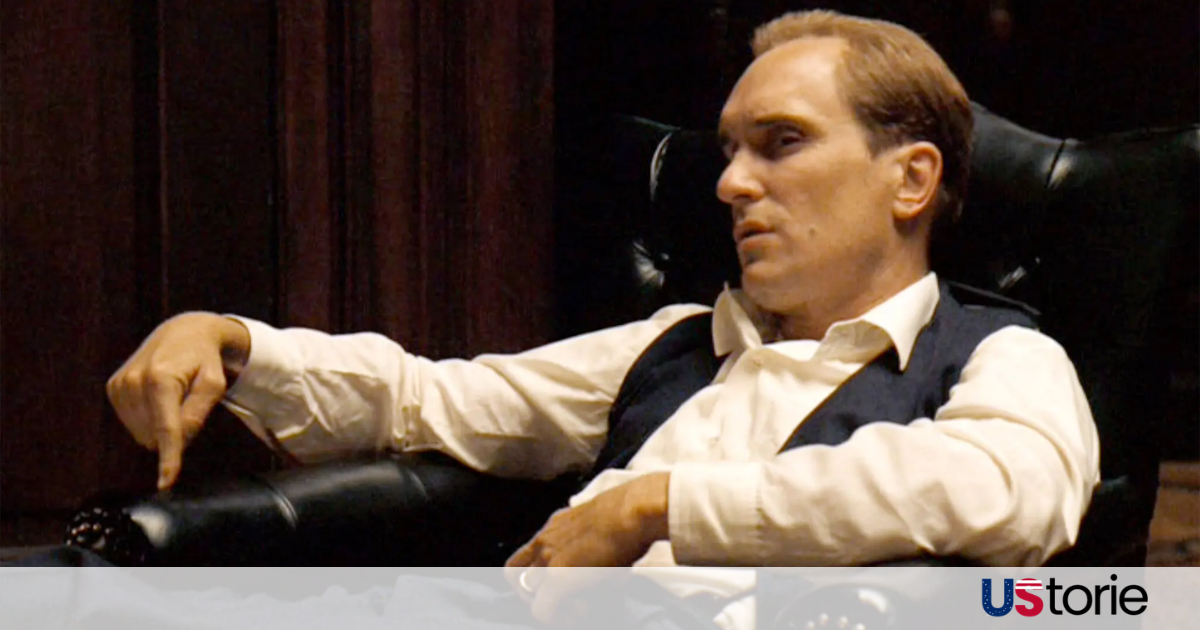
Robert Duvall’s career began in the early 1960s, but it was his role as Tom Hagen in The Godfather that cemented his place in cinematic history. Acting alongside Marlon Brando and Al Pacino, Duvall delivered a restrained yet powerful performance that became central to the film’s legacy.
Over the years, he took on roles that demanded depth and nuance. His portrayal of Lieutenant Colonel Bill Kilgore in Apocalypse Now remains one of the most quoted performances in modern film. In Tender Mercies, Duvall won the Academy Award for Best Actor, showcasing a quieter, more introspective side of his talent.
He moved seamlessly between leading roles and ensemble casts, often choosing complex characters that balanced strength with vulnerability. His ability to command a scene without excess theatrics distinguished him from many of his contemporaries.
Tributes From Across Hollywood
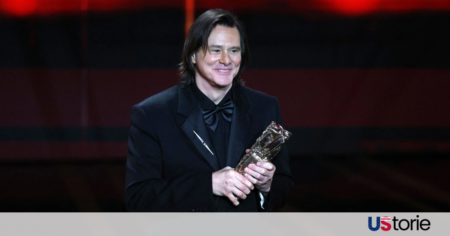
Following the announcement of his passing, tributes emerged quickly across social media and industry circles. Adam Sandler described Duvall as a towering influence and a generous collaborator. Alec Baldwin reflected on Duvall’s discipline and commitment to craft, calling him one of the finest actors of his generation.
Colleagues frequently noted Duvall’s professionalism on set. Directors who worked with him often praised his preparation and attention to character detail. Younger actors spoke of studying his performances as a blueprint for subtle, effective screen acting.
While accolades and awards marked his career, many tributes focused less on trophies and more on his work ethic and dedication to storytelling.
The Scope of His Influence
Few actors maintained relevance across as many eras of filmmaking as Robert Duvall. He navigated the transition from New Hollywood of the 1970s to modern cinema without losing his identity as a performer.
Duvall collaborated with some of the industry’s most respected filmmakers, appearing in projects that shaped entire genres. His performances often elevated supporting roles into unforgettable screen moments. Even in limited screen time, his presence anchored narratives.
His career was not confined to blockbuster films. Duvall frequently appeared in independent productions and passion projects, reflecting a commitment to craft rather than celebrity. That balance between mainstream success and artistic exploration defined much of his professional life.
Why His Passing Resonates
Robert Duvall’s death is significant not simply because of his awards, but because of what he represented in American film. He belonged to a generation of actors who emphasized character over spectacle.
In an industry that has evolved dramatically over the decades, Duvall’s performances remain a reference point for authenticity. Film students continue to study his work. Actors cite his discipline as aspirational. Audiences remember specific lines and scenes decades after their release.
His career also reflects the broader history of Hollywood itself. Through his filmography, one can trace shifts in cinematic style, storytelling tone and production scale.
Remembering the Man Behind the Roles
Away from the spotlight, Duvall was known for maintaining a relatively private life. He spoke frequently about the importance of discipline and respect for the craft. Interviews throughout his career reveal a performer more interested in process than publicity.
He often credited directors and fellow actors for shaping his performances, deflecting attention from himself despite his stature. That humility is reflected in many of the tributes shared this week.
For audiences, the loss feels personal because his characters felt real. Whether portraying a military officer, a country singer or a consigliere, Duvall infused each role with credibility.
What Comes Next
In the coming weeks, retrospectives and tributes will continue across television networks and streaming platforms. Film institutions and award bodies are expected to honor his legacy in upcoming ceremonies.
For Hollywood, the focus shifts toward preserving and celebrating a career that helped define modern American acting. For viewers, the films remain a catalog of performances that continue to resonate long after their initial release.
Robert Duvall’s work endures not because it was loud, but because it was lasting. His performances remain woven into the fabric of American cinema, ensuring that while the actor is gone, his legacy will continue to influence generations of storytellers.