

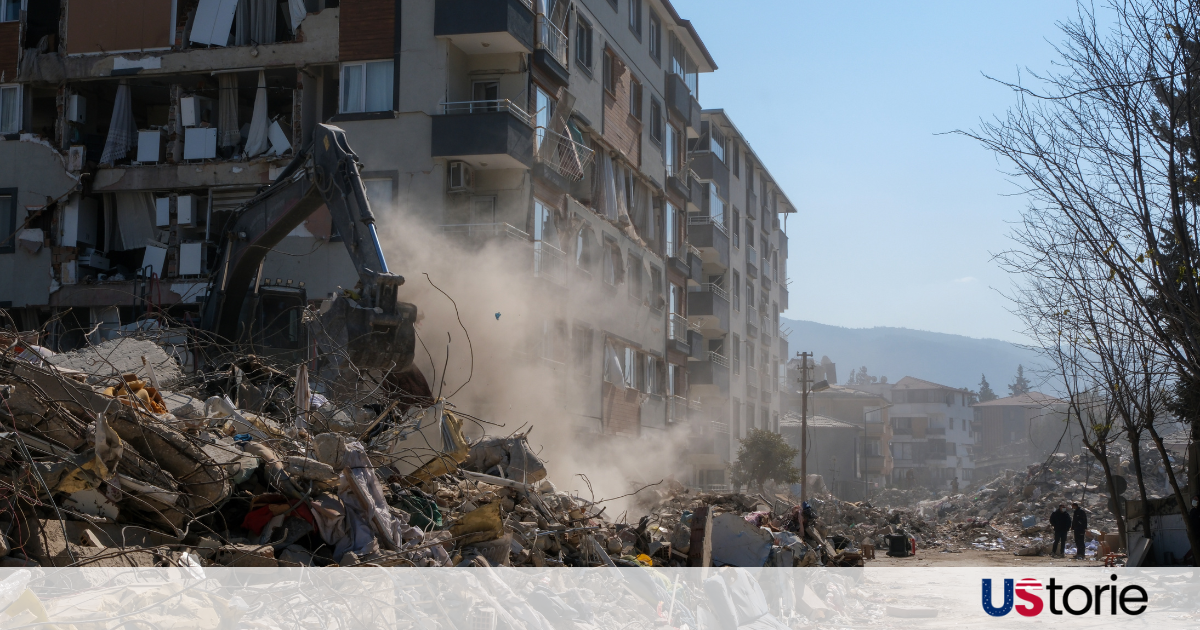
Northern Japan was hit by a powerful 7.5 magnitude earthquake, leaving dozens injured and causing major disruption across several prefectures. The quake, which shook the region early Monday, triggered widespread panic as buildings swayed, transportation systems shut down, and thousands were forced to evacuate. According to early reports, emergency teams are working around the clock to assess damage and rescue trapped individuals.
This major seismic event has once again highlighted Japan’s vulnerability to earthquakes a nation known for some of the most advanced earthquake-resistant infrastructure in the world.
Widespread Damage Across Northern Prefectures
Initial reports confirm structural damage to homes, commercial buildings, and roads. Several highways were temporarily closed as authorities evaluated cracks and landslides triggered by the quake. In some areas, power outages left thousands without electricity.
Japan’s Meteorological Agency issued immediate warnings for possible aftershocks, urging residents to remain alert. For ongoing updates and international coverage, readers can explore additional reports via the U.S. News section.
Hospitals across the region have reported treating numerous injuries, mostly from falling debris and collapsing interior structures. While officials have confirmed dozens injured, the number is expected to rise as rescue operations expand into rural areas.
Government & Emergency Response
Prime Ministerial disaster response units were activated within minutes. Search-and-rescue teams, firefighters, and medical personnel were deployed across affected zones. Evacuation shelters quickly filled as residents sought safety from potential aftershocks.
Japan’s government emphasized that safety instructions must be followed closely, especially in areas where older buildings may still be unstable. For readers interested in understanding how disasters affect regional economies and emergency budgets, additional insights can be found in the Business & Finance category.
Meanwhile, community centers, local volunteers, and NGOs have stepped up to distribute food, blankets, and medical supplies. Their quick action mirrors Japan’s reputation for highly efficient disaster management.
Impact on Transportation & Daily Life
Public transportation across northern Japan experienced significant disruption. Bullet trains were halted as precautionary checks were conducted on tracks, tunnels, and bridges. Several airports reported delays as terminals were inspected for structural integrity.
Schools in the affected areas have suspended classes until buildings are cleared as safe.
The quake has also impacted global travel alerts, receiving widespread international media attention. For more global and local updates, sports impact, and cultural stories, you can explore the home page of the site.
Aftershocks Expected Residents Urged to Stay Alert
Experts warn that aftershocks may continue for several days, some potentially strong enough to cause additional damage. Residents are being advised to keep emergency kits ready and avoid unstable structures.
Japan’s Meteorological Agency is monitoring seismic patterns closely and updating the public on potential risks. Authorities stress that staying informed through official sources is crucial.
A Nation Known for Resilience
Despite the severity of the quake, Japan’s emergency response and infrastructure are credited with preventing even greater devastation. Communities have begun cleanup efforts, reinforcing Japan’s enduring resilience in the face of natural disasters.
As the situation continues to unfold, more information is expected from local authorities and international agencies.