

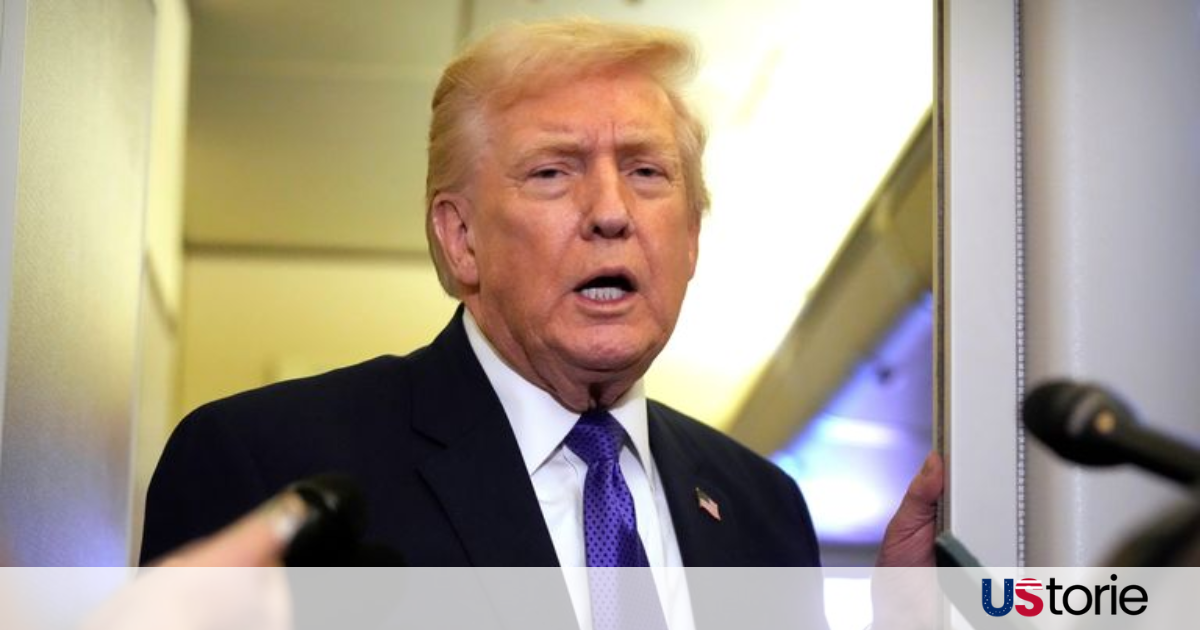
Sometimes a single social media post says more than a hundred speeches. Late this week, President Donald Trump posted a video that showed Barack and Michelle Obama depicted as apes. It didn’t stay online quietly. It exploded. And when asked about it later, Trump didn’t back down. He didn’t apologize. He didn’t soften his words. He simply said he “didn’t make a mistake.”
That response is what turned this from just another controversy into something heavier.
American politics has seen insults, mockery, and ugly symbolism before. But imagery like this hits a deeper nerve. It’s not just offensive humor. For many people, it carries a long and painful racial history that doesn’t need explaining. That’s why the reaction was immediate and unusually loud.
What surprised some observers wasn’t the criticism from Democrats. That part was expected. What stood out was the reaction from Trump’s own party. A handful of Republican lawmakers and conservative voices openly said the video was wrong, unnecessary, or damaging. In today’s political climate, public criticism from inside the tent is rare.
Moments like this are often dissected not just as political stories, but as social ones. Platforms like UStorie regularly look at how these flashpoints ripple beyond Washington and into everyday conversations.
https://ustorie.com/
Trump’s refusal to apologize hardened opinions almost instantly. Supporters framed the backlash as overreaction and political theater. Critics saw the refusal as confirmation that the post was intentional, not careless. There wasn’t much middle ground.
The Obamas themselves have stayed silent. That silence is consistent with how they’ve handled personal attacks in the past. They rarely engage directly. But silence doesn’t stop a story like this from growing. If anything, it leaves space for others to speak louder.
What makes this episode different is timing. The country is already tense. Elections are never far away. Racial issues remain unresolved and emotionally charged. In that context, symbolism matters more than ever. A video clip isn’t just content it becomes a signal.
Political strategists often talk about “distractions.” This was a big one. Instead of policy debates or legislative goals, the conversation shifted entirely. Cable news panels. Editorial pages. Social media arguments. For days, this one post dominated attention.
Coverage of political backlash cycles like this often continues well after the original event, something frequently tracked in UStorie’s US News section, where the focus stays on consequences, not just headlines.
https://ustorie.com/category/us-news/
Civil rights groups were quick to condemn the video. Statements described it as dehumanizing and dangerous, especially coming from someone holding the highest office in the country. Some organizations called on social media platforms to do more to curb content they believe crosses ethical lines.
Trump’s defenders pushed back just as hard. They argued that Trump’s social media style has always been provocative and that outrage depends on who is speaking. To them, this was another example of selective outrage in a polarized media environment.
Both arguments exist at the same time. That’s the reality of modern politics. But even in that reality, certain moments feel heavier than others.
There’s also the question of impact. Will this change anything? Will it affect voter behavior? Will party leaders draw clearer lines in the future? Or will it fade, replaced by the next controversy before anyone is held accountable?
Political culture today often overlaps with entertainment logic shock, reaction, virality. That blend is something UStorie’s Entertainment section explores often, especially when politics begins to feel more like spectacle than governance.
https://ustorie.com/category/entertainment/
According to reporting by The New York Times, Trump acknowledged the backlash but maintained that he did not believe sharing the video was a mistake, despite the unusually strong reaction, including criticism from members of his own party.
Whether this moment becomes a turning point or just another entry in a long list of controversies remains unclear. Trump has survived political storms before. But each one leaves a mark, even if it doesn’t show immediately.
What is clear is that this wasn’t just noise. It reopened conversations about race, power, responsibility, and the tone set by leaders. Conversations that never fully go away they just wait for the next spark.
This time, that spark came from a video, a refusal to apologize, and a question many Americans are still asking: how far is too far?