
One National Guard member was killed and another was gravely injured in a shooting that occurred in downtown Washington, D.C., shocking the country. Investigators have now disclosed a startling detail about the guy detained in connection with the crime. Rahmanullah Lakanwal, a 29-year-old Afghan native, is the suspect. During the two-decade conflict with the Taliban and other militant groups, the Central Intelligence Agency supported elite paramilitary forces in Afghanistan.
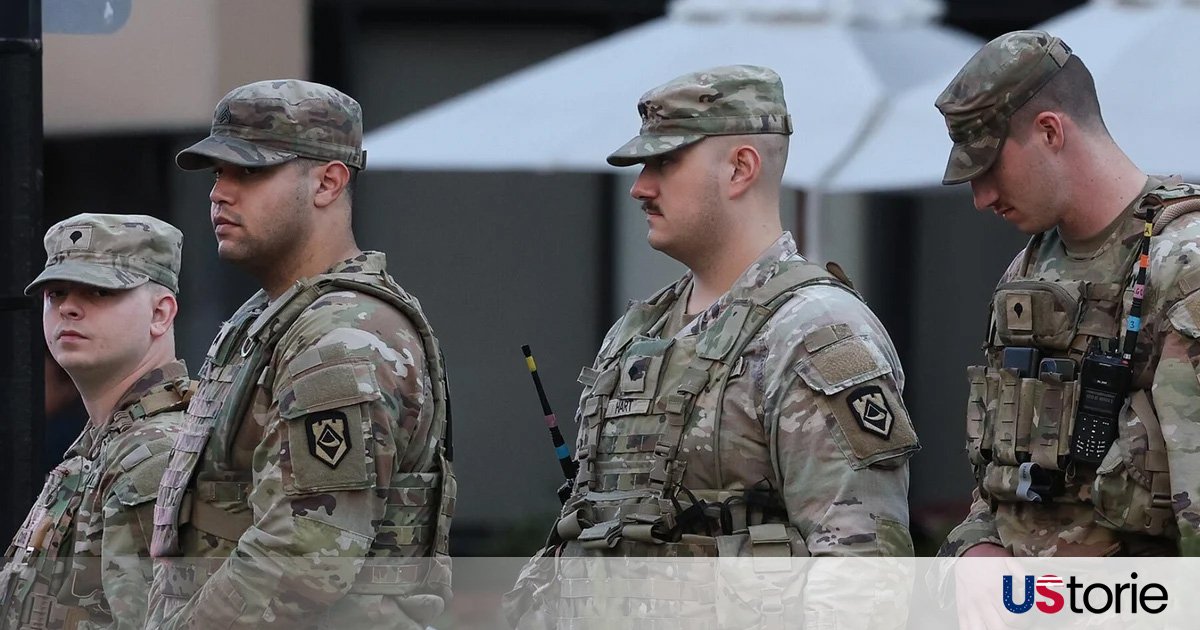
The shooting unfolded in broad daylight near the Farragut West Metro Station, just blocks from the White House, as National Guard troops patrolled the streets as part of a federal crime prevention initiative. The ambush was sudden and brutal, leaving Specialist Sarah Beckstrom, 20, dead, and Staff Sergeant Andrew Wolfe, 24, seriously injured. Law enforcement officers subdued and arrested Lakanwal at the scene after he was shot by another Guard member.
In the days that followed, law enforcement and intelligence officials began piecing together the suspect’s background, revealing a journey that took him from the battlefields of Afghanistan to the heart of the U.S. capital.
From Afghan Wars to American Soil
Lakanwal’s story begins in Afghanistan, where he served for nearly a decade with a CIA‑backed “Zero Unit,” an elite counterterrorism force that operated under the umbrella of the Afghan National Directorate of Security. These units were trained by American special operations forces and worked alongside U.S. and allied troops in some of the fiercest fighting of the long war.
The exact nature of Lakanwal’s operations in Afghanistan remains partly shrouded in secrecy, but former officials and veterans familiar with these forces describe them as highly skilled and highly controversial. According to human rights organizations, some of these units conducted night raids and intelligence missions that, at times, drew serious allegations of human rights abuses. Critics called them “death squads,” though such claims are disputed and complex.
It was Lakanwal’s service in such a unit that became relevant when Kabul fell to the Taliban in 2021 and Afghanistan collapsed into chaos. As part of the U.S. withdrawal and evacuation, thousands of Afghans who had aided American forces were evacuated, fearing retaliation from the new regime. Lakanwal and his family were among those brought to the United States through Operation Allies Welcome, a humanitarian program designed to resettle Afghan wartime allies.
After arriving in the United States in September 2021, Lakanwal initially entered under humanitarian parole, a temporary status granted to many Afghan evacuees. In 2024, he applied for asylum, and by April 2025 his application was approved, giving him legal protection in the United States.
A Troubling Turn
For those who knew him, the transition to life in the U.S. was far from smooth. Friends and former colleagues have said that Lakanwal struggled with the dramatic change in his circumstances after leaving behind the intense environment of wartime Afghanistan. Some accounts from associates and supporting organizations warned that he exhibited signs of deep distress, especially after losing close friends and comrades in the years following the war.
Investigators are still working to understand the motives behind the shooting, and so far there is no clear evidence of ties to any organized extremist group. Federal officials have said that Lakanwal may have been battling mental health challenges and that those struggles could have played a role in the tragic events.
National and Political Impact
The revelation that the suspect once worked with CIA‑backed forces in Afghanistan has fueled intense debate across political and media landscapes. Some officials have criticized the vetting process that allowed him to stay in the U.S., particularly in the context of broader immigration policy discussions. Others caution against drawing simplistic connections between wartime service, asylum status, and violent actions.
In the aftermath of the attack, the Trump administration announced a temporary pause in asylum decisions and a halt on visa issuance for Afghan nationals, a move that has sparked sharp criticism and legal scrutiny. Advocates for Afghan evacuees argue that collective punishment for the actions of one individual undermines the sacrifices of thousands who aided U.S. missions and now seek refuge.
Looking Ahead
As legal proceedings unfold, Lakanwal faces charges including first‑degree murder and assault with intent to kill. The investigation continues to explore his background, mental health history, and any influences that may have contributed to his actions. Meanwhile, the nation mourns a young service member lost in what authorities are calling an ambush, and policymakers grapple with the complex intersections of national security, immigration, and the psychological toll of war.