
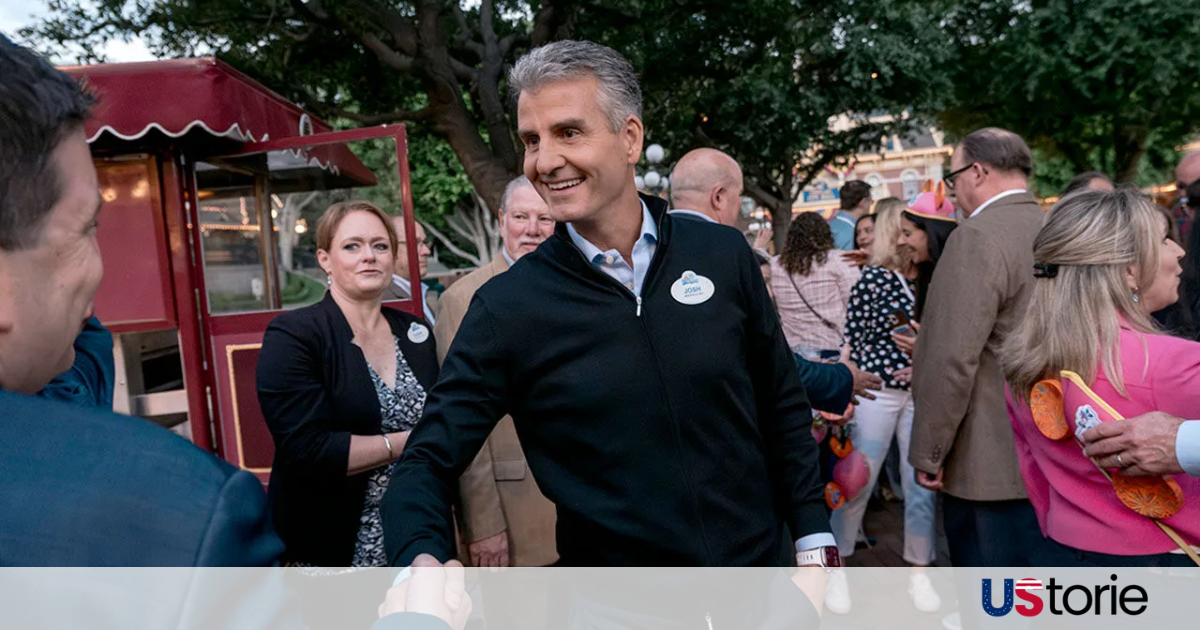
Disney has always sold more than movies and theme parks. It sells feeling nostalgia, wonder, and the idea that stories can still surprise us. But in recent years, that magic hasn’t landed the way it once did. Now, with Josh D’Amaro named as Disney’s next chief executive, the question many fans and investors are asking is simple: Can he restore what feels lost?
D’Amaro, 54, steps into the role at a moment when Disney is powerful, profitable, and yet oddly uncertain about itself. The company dominates global entertainment, but critics say its creative spark has dulled. Box office performances have become inconsistent, streaming growth has slowed, and audiences seem less forgiving of recycled ideas. That context makes this leadership change more than routine—it makes it personal.
Josh D’Amaro isn’t a Hollywood producer or a Silicon Valley outsider. He comes from within Disney’s world. Most recently, he served as chairman of Disney Experiences, overseeing theme parks, cruise vacations, and consumer products. It’s a division built on physical experiences, not algorithms. And that may matter more than it seems.
For readers following major corporate shifts and cultural power moves, UStorie often breaks down how leadership changes affect industries beyond stock prices.
https://ustorie.com/
D’Amaro’s rise is notable because theme parks are one area where Disney has largely succeeded. Despite higher ticket prices and crowded seasons, demand has stayed strong. Guests still line up for rides, merchandise, and immersive storytelling. That success suggests D’Amaro understands how people emotionally connect with Disney something the film and streaming sides have struggled to maintain lately.
Still, running parks is different from running a creative empire. Movies and shows carry risk. Audiences change quickly. Trends expire faster than ever. Disney’s recent output has faced criticism for playing it safe, relying too heavily on sequels, remakes, and familiar franchises. While those projects can still earn money, they don’t always inspire loyalty.
That’s where expectations around D’Amaro grow complicated. He isn’t expected to personally green-light scripts or direct films. What he is expected to do is reset priorities to give creators room, restore confidence, and stop treating storytelling like a spreadsheet exercise.
Industry analysts say his biggest challenge won’t be cutting costs or reorganizing divisions. It will be deciding what Disney stands for creatively in 2026 and beyond. Is it a nostalgia machine? A franchise factory? Or a place where new stories can still take risks?
This question matters because Disney doesn’t exist in isolation. Its choices ripple through the entertainment industry. When Disney plays safe, others follow. When it experiments, competitors respond. Coverage of such shifts often appears in UStorie’s US News section, where business decisions are examined through their broader cultural impact.
https://ustorie.com/category/us-news/
There’s also the internal culture to consider. Disney has gone through leadership tension before, and morale has been tested by layoffs, restructuring, and public criticism. D’Amaro’s reputation internally is largely positive. Colleagues describe him as approachable, energetic, and deeply loyal to the brand. That may help rebuild trust at a time when creative teams feel cautious.
Public reaction to the announcement has been mixed but curious. Fans of the parks see him as someone who “gets” Disney at its most emotional level. Skeptics wonder whether experience with rides and resorts translates to bold creative leadership. Both views are fair.
What’s clear is that Disney doesn’t need another caretaker. It needs someone willing to make uncomfortable choices to say no to safe projects and yes to risky ones. That kind of leadership isn’t about charisma. It’s about confidence.
Entertainment leadership stories like this sit at the crossroads of culture and business, a space often explored in UStorie’s Entertainment section, where industry power shifts are followed closely.
https://ustorie.com/category/entertainment/
D’Amaro’s appointment also signals something subtle but important. Disney may be acknowledging that magic isn’t manufactured in boardrooms alone. It’s built through experiences that feel intentional and personal. Parks do this well. Films and series must relearn it.
Whether D’Amaro can transfer that philosophy across the company remains to be seen. His success will likely be judged not by quarterly earnings, but by whether audiences start to feel excited again not obligated to watch Disney stories.
For deeper reporting on the leadership change and what it means for Disney’s future, The New York Times has detailed coverage outlining D’Amaro’s background and the expectations surrounding his appointment Click Here.
In the end, this transition isn’t just about one executive. It’s about whether Disney remembers how to surprise people. If Josh D’Amaro can help the company trust creativity again, the magic may not be gone after all just waiting to be rediscovered.