

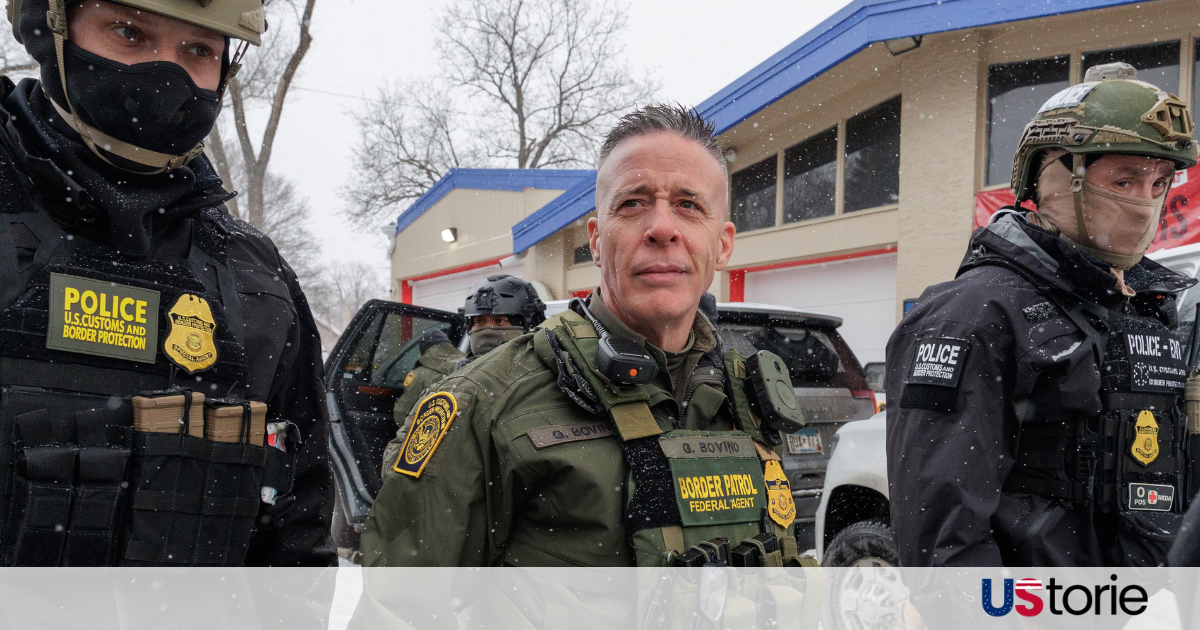
When news of a fatal shooting by federal agents in Minneapolis began circulating, no one expected the fallout to be this dramatic. What started as yet another tense moment in the city’s fraught relationship with immigration enforcement has quickly turned into a major shift in federal leadership on the ground with a top Border Patrol official preparing to leave and a border “czar” dispatched to manage the situation.
Over the weekend, hundreds of federal immigration agents had been deployed in Minneapolis as part of an aggressive enforcement operation. But after sustained protests, legal challenges, and mounting public pressure following the deaths of two civilians at the hands of federal officers, the Trump administration appears to be reshuffling its approach.
What’s changing on the ground
According to multiple sources, Gregory Bovino, the Border Patrol commander who has been the most visible face of the federal immigration crackdown in Minneapolis, is now expected to leave the area along with some of his agents a move that signals a shift in tactics by the federal government.
Bovino’s leadership style had been controversial from the start. Critics accused him of using overly militarized tactics in cities like Minneapolis, often mirroring what many residents described as urban crackdowns rather than community-sensitive policing. After two fatal encounters including the death of ICU nurse Alex Pretti public anger reached a boiling point.
The national context and live updates
The situation in Minneapolis didn’t happen in a vacuum. It followed another controversial episode earlier in the month involving the shooting of a local resident by federal agents, sparking widespread protests and legal challenges. In response, President Donald Trump announced he was sending his border “czar” Tom Homan to Minnesota to oversee Immigration and Customs Enforcement operations in the state and help manage federal presence there.
This move comes as local officials, including Minneapolis Mayor Jacob Frey and Minnesota Governor Tim Walz, have been urging de-escalation and closer cooperation between federal agents and community leaders after days of clashes and public outcry.
If you want continuously updated coverage of how events are unfolding in Minneapolis including protests, federal actions, and political reactions you can follow the live news thread here:
Why this matters politically
This leadership change is more than just moving people around. It points to a broader shift in how the White House is trying to manage the optics and politics of immigration enforcement amid intense criticism.
The presence of thousands of federal agents in Minnesota was part of a larger initiative that has drawn legal scrutiny and constitutional questions from state leaders. Local and state officials have argued that such a heavy federal footprint infringes on state autonomy and raises concerns about the balance of power.
By bringing in someone like Tom Homan who has been involved in immigration enforcement at the highest levels the administration appears to be attempting to both reassure its supporters and reduce tensions locally.
Local responses and community impact
On the streets of Minneapolis, reactions have been mixed but undeniably intense. Protesters demanding accountability and an end to what they call “Operation Metro Surge” have clashed with federal agents, held rallies, and called for transparency around the shootings and strategy. Many residents are tired of seeing their city become a flashpoint in a national policy battle.
These public reactions often spill over into broader cultural and civic coverage, beyond immediate law enforcement specifics. For discussions about how political decisions affect everyday communities and individual lives including how protests history and daily life intersect you’ll find more perspectives at
https://ustorie.com/category/entertainment/
Broader national framing
Events in Minneapolis have not only drawn local attention. They’ve become part of a wider national narrative about federal enforcement, executive authority, and community trust topics that spark commentary and deeper exploration throughout U.S. news coverage. That’s why many readers, after following the immediate developments, turn to platforms specializing in national news analysis to make sense of the implications.
https://ustorie.com/category/us-news/
This transition from a hardline, highly visible federal presence to a new leadership strategy reflects political calculations as much as it does operational adjustments.
What happens next
Bovino’s departure is expected to begin soon, with some of his Border Patrol agents returning to their home sectors. In his place, Tom Homan will oversee the federal immigration strategy in Minnesota and report directly to the White House. Officials say this change is intended to defuse tensions, coordinate more closely with state and local leaders, and keep federal enforcement focused amid ongoing protests and legal challenges.
Local advocacy groups have already signaled that the presence of federal agents must be scaled back significantly, while state and city officials have vowed to pursue legal avenues to challenge the basis of the federal surge.
Final thought
What started as a controversial enforcement operation has now turned into a story about leadership accountability, political strategy, and the complex relationship between federal power and local community trust.
A top Border Patrol official leaving Minneapolis signals more than just a personnel change it reflects how public pressure, legal challenges, and political context can force even the most entrenched strategies to evolve.
And with a border czar now on the ground, that evolution is likely far from over.