
Sometimes Washington hearings feel rehearsed. Polished questions, predictable answers, carefully chosen words. And then there are moments like this one messy, emotional, and impossible to smooth over.
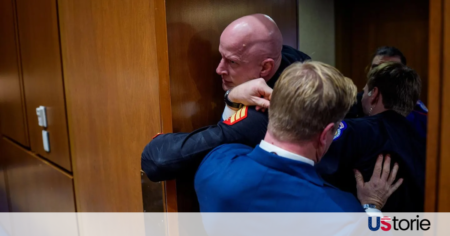
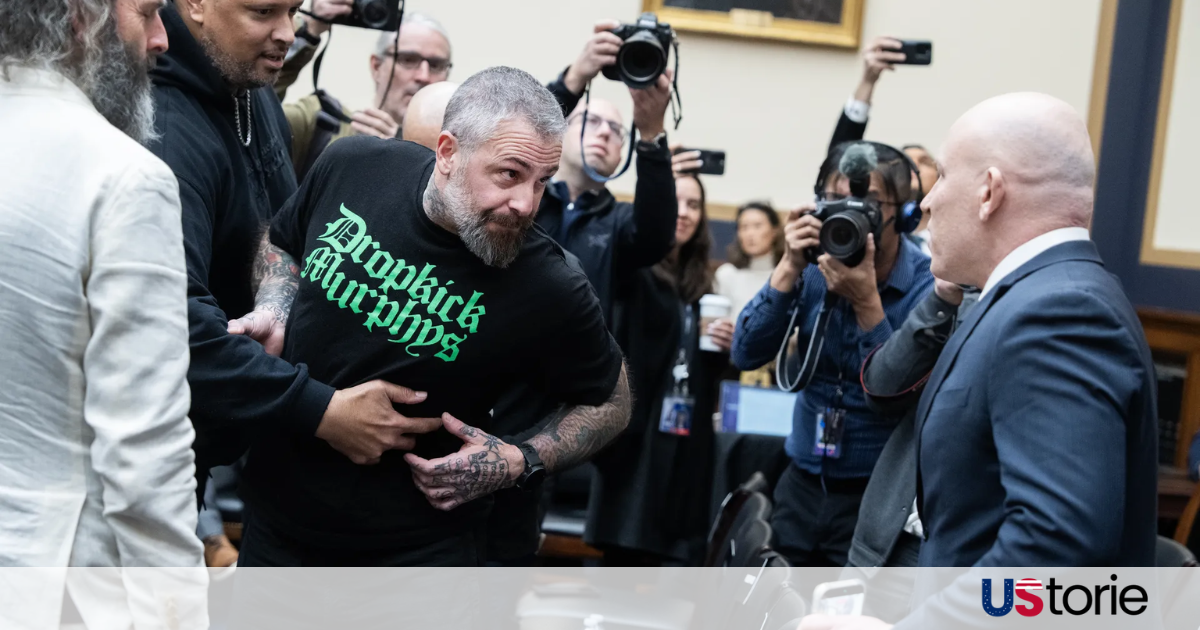
A congressional hearing meant to focus on legal accountability instead exploded into something far more personal when a former police officer who survived the January 6 Capitol riot confronted a GOP lawmaker with words that stunned the room. The exchange wasn’t subtle. It wasn’t diplomatic. And it wasn’t forgettable.
A voice shaped by January 6
Michael Fanone isn’t just another witness with prepared remarks. He’s a former Metropolitan Police Department officer who was beaten, dragged, and injured during the January 6 attack on the U.S. Capitol. His experience didn’t come from reading reports it came from surviving chaos.
So when Fanone appeared at a hearing connected to the legal scrutiny surrounding Jack Smith, emotions were already close to the surface. What followed was a sharp and deeply personal confrontation with Republican Congressman Troy Nehls.
At one point, Fanone snapped, telling Nehls to “go f*** yourself.” The room froze. Cameras caught everything.
Why this moment hit differently
Washington sees heated exchanges all the time. What made this one stand out was its rawness. Fanone wasn’t performing for headlines. He wasn’t angling for political points. His anger felt lived-in — the kind that doesn’t fade with time or talking points.
For many watching, the outburst reflected years of frustration felt by law enforcement officers who defended the Capitol and later felt dismissed, politicized, or ignored.
Full details of the exchange, including the back-and-forth that led to the confrontation, were reported in depth by CNN for the original report, click here:
https://edition.cnn.com/2026/01/22/politics/michael-fanone-troy-nehls-jack-smith-hearing
Politics meets personal trauma
What unfolded wasn’t just a clash of opinions. It was a collision between political theater and unresolved trauma. Fanone has previously spoken about PTSD, physical injuries, and the emotional toll of January 6. For him, these hearings aren’t abstract debates they reopen wounds.
That’s part of why reactions online were so divided. Some criticized his language. Others defended it, arguing that polite civility feels hollow when paired with years of denial about what happened at the Capitol.
This kind of political moment — where emotion overtakes messaging — often dominates broader U.S. political coverage, including analysis found at
https://ustorie.com/category/us-news/
The GOP response and broader fallout
Republican lawmakers largely brushed off the confrontation, framing it as inappropriate conduct rather than a reflection of deeper issues. But that response only fueled further criticism from those who believe the focus keeps shifting away from accountability.
The Jack Smith investigation itself remains a flashpoint, with supporters viewing it as necessary oversight and critics calling it politically motivated. Fanone’s outburst, however, momentarily cut through that narrative divide by reminding viewers that real people bore the physical cost of January 6.
For audiences who follow how politics intersects with media spectacle, moments like these often spill beyond hard news and into cultural discussion — something frequently explored in commentary at
https://ustorie.com/category/entertainment/
Why moments like this linger
The reason this exchange continues to circulate isn’t just the language used. It’s what it symbolizes. A breakdown in the usual script. A reminder that unresolved national trauma doesn’t stay neatly contained inside committee rooms.
Fanone’s words weren’t calculated. They were reactive. And in that rawness, many Americans recognized a frustration that has gone unaddressed.
Long after the hearing adjourned, that single sentence overshadowed hours of testimony a sign that emotion still carries more weight than procedure.
A larger reflection
Whether one agrees with Fanone’s outburst or not, it exposed a truth Washington often avoids: you can’t endlessly debate an event without acknowledging its human cost. Eventually, someone will stop choosing careful words.
Stories that examine these fractures — not just the politics, but the people — are why readers continue turning to platforms like
https://ustorie.com/
for slower, more reflective coverage.
Final thought
The hearing was supposed to be about law. It became about pain. And once that line was crossed, there was no walking it back.
Michael Fanone didn’t deliver a polished statement. He delivered something far less comfortable honesty shaped by violence and memory. And in a city built on restraint, that may be exactly why the moment won’t fade anytime soon.